When the Job Comes Home: A Firefighter Widow’s Story of Love, Loss, and Finding Herself Again

What happens when the job quietly begins following a firefighter home?
Shelley Hegedus joins Arjuna George to tell the story of her late husband Ron, a Vancouver firefighter who died from occupational cancer in 2024.
Shelley describes the subtle changes she began noticing years earlier, including hypervigilance, irritability, disrupted sleep, increased protectiveness and withdrawal. At the time, each change seemed explainable. Looking back, she began seeing how deeply occupational stress had entered their home and relationship.
Shelley also shares Ron's cancer journey, the realities of caregiving, the extraordinary community that surrounded them, and her own experience of losing parts of herself along the way.
Following Ron's death, Shelley began rebuilding her independence through therapy, journaling, connection, nature, friendship, travel and writing.
A deeply personal conversation about firefighter families, occupational cancer, grief, identity, love and finding yourself again.


About Shelley Hegedus
Shelley Hegedus is a former elementary school teacher, instructional coach, curriculum writer and literacy consultant. After a career spanning decades in education, her life changed when her husband Ron was diagnosed with stage four gallbladder cancer.
Today, Shelley is writing about grief, intentional living, resilience, first responder family life and the lessons she has taken from her relationship with Ron.
Her Substack, Crossroads and Courage, is becoming part of the foundation for a memoir she is developing through the lens of a firefighter spouse.
Key Themes
When occupational stress comes home
Shelley describes changes that arrived quietly: protectiveness, hypervigilance, irritability, sleep difficulties and withdrawal. Individually they could be explained. Together, she eventually recognized something larger happening.
The partner experiences the job too
One of Shelley's strongest reflections is how gradually she changed alongside Ron. She describes “morphing into” his experience and slowly giving up parts of her own life.
Protection can affect emotional safety
Shelley came to recognize that as Ron's need to protect increased, her own sense of emotional safety decreased.
Nature became an important refuge
Walking Willow, camping and spending time outdoors appeared to bring Ron closer to the person Shelley remembered. She describes camping as one place where both Ron and Willow seemed “off duty.”
Community matters
After Ron publicly shared his cancer diagnosis, Shelley describes feeling surrounded by an army of people offering meals, messages, visits, prayers and practical support.
Grief also became a journey back toward herself
Therapy, journaling, friendship, exercise, nature and eventually travelling alone became part of Shelley's process of rediscovering her independence.
When the Job Comes Home
Five reflections from Episode 116
1. Pay attention to patterns, not isolated moments.
One poor night's sleep may be one poor night's sleep. Irritability may come from exhaustion. Withdrawal may follow a difficult shift.
Shelley's experience invites families to notice when several small changes begin travelling together.
Reflection:
What has changed lately in me, my partner, or our household that we have been explaining away individually?
2. Protect the person underneath the role.
Firefighters are trained to notice threats, solve problems and protect others. Shelley experienced what could happen when that protective orientation increasingly entered home life.
Reflection:
Can I transition out of operational mode when I arrive home?
3. Supporting someone should not require disappearing yourself.
Shelley describes gradually losing pieces of her independence while adapting around Ron.
Supporting someone you love and maintaining your own friendships, interests, routines and identity can exist together.
Reflection:
What part of my own life have I stopped tending?
4. Build your people before you desperately need them.
Shelley repeatedly describes the importance of her “army,” including family, friends, firefighters and eventually other widows.
Reflection:
Who are the three people I can genuinely reach for when life gets heavy?
5. Recovery can include rediscovery.
Shelley describes rebuilding herself as accessing the person who had always been there: adventurous, funny, independent and alive.
Her solo cruise became more than a vacation. It represented reclaiming her independence.
Reflection:
What is one small experience that would reconnect me with a part of myself I have not seen lately?
Connect with the Host:
Arjuna George – Fire Chief (ret) Owner of Silver Arrow Coaching and Consulting, Beneath the Helmet Show, and Burnt Around the Edges author.
www.silverarrowco.com
www.burntaroundtheedges.com
www.beneaththehelmet.ca
Shelley Hegedus Ep 116
Welcome and Guest Intro
Shelley: [00:00:00]
Arjuna: All right, everyone, welcome back. This is Beneath the Helmet. This is season four, and this is episode 116. I'm your host, Arjuna George, former fire chief turned author, podcaster, and coach to the fire service. Today, I'm joined with a former school teacher, a partner to a fire captain with Vancouver City Fire.
And today's episode is all around sharing her experience as a partner to Ron, and Ron is kind of the subject of our conversation today. Uh, Shelley lost her husband, Ron, to occupational cancer back in 2024. She's now sharing her journey through her powerful writing. Welcome to the show, Beneath the Helmet, Shelley Hegedus.
It's time to ignite your soul and unlock your full potential. Join us on Beneath the Helmet, the [00:01:00] podcast exploring firefighters' health and wellness. Hosted by retired fire chief Arjuna George, our podcast is the perfect place to start your journey towards becoming the best version of yourself. So come on, let's join the conversation and find out what sets your soul on fire.
Arjuna: Welcome to the show.
Shelley: Thank you.
Glad to be here.
Arjuna: Well, I appreciate you sharing since, you know, this is... We're recording this in 2026. 2024 was not too far into the past, right? So, uh, I appreciate you being vulnerable and open and, and continuing Ron's story, uh, with the world. So thank you for sharing that.
Shelley Teaching Career
Arjuna: So tell our listener a little bit about who Shelley is, and then we'll dig into Ron. But who's Shelley?
Shelley: Thank you. Um, I am a former teacher, uh, elementary school teacher, and, uh, I was in the classroom for 25 years and loved every minute of it. [00:02:00] And then I became an instructional coach for literacy and numeracy in the school district.
Um, and then I was up at the school board office and helping to write support documents for our district, um, a curriculum, professional development and so on. Um, absolutely love curriculum, um, especially social and emotional learning and literacy of children. And, uh, I worked for a couple of the major publishers as well.
I was a literacy consultant for one social studies curriculum, and I wrote the grade three BC curriculum for another publishing company, and, uh, that was on science. So, uh, I was kind of all over the place and loved it. And the last thing that I was doing before Ron got diagnosed is, uh, I was hired for, um, writing a course for teachers for Queen's University on how to [00:03:00] teach literacy to students, and it was a absolute dream come true.
And I think I was about halfway through writing the course when the diagnosis came in.
Arjuna: No wonder you are enjoying this writing process to kind of work through this grief, uh, this trauma, and, and just kind of express yourself. Uh, no wonder that is resonating with you.
Shelley: yeah. Yeah.
Arjuna: So as we kind of dig into this episode, it's kind of, you know, raising some awareness around PTSD and, and first responders around cancer awareness and first responders.
But there's a more, I think, powerful kind of theme as like, you know, partners, love, relationships, uh, family, the fire service.
Who Ron Was
Arjuna: Putting that all together in this one package, uh, for the listener today was kind of like, you know, I'm sure there's somebody in your life that this episode will deeply, deeply resonate with So to kind of set the stage of and the tone of this conversation, I'd love to hear [00:04:00] before PTSD, before the cancer diagnosis, who was Ron?
Tell us a little bit about who this person was.
Shelley: You know, I don't know whether this is the most emotional part o- of it or not because it, um, I, I smile when I think about it and I cry when I think about it. Um, Ron was a, a very loving man first and foremost. And when I met him, um, he was divorced. I was divorced.
And so this was a second, second marriage for us. And Ron had the capacity to love and to cherish like nobody else I've ever met in my life. And he wanted to be sure that this relationship worked out and, um, and that we were deeply committed to each other. Um, he was very compassionate. [00:05:00] Uh, he wanted to help so many people, help people in the complex we were living in, help his sons, help my daughters.
He just was a, a consummate helper around the neighborhood and the community. And that really spoke to me, really spoke to my heart. He, um, was an amazing chef, which I know you like to cook too, and- Yes ... I'll have to send you one of his favorite recipes.
Arjuna: Oh, please.
Shelley: Um, uh, so when I met him, um, he just said, "I'm gonna just take over cooking."
And I said, "Hallelujah." I had such a busy job that it was just delightful, and he had the days off where he could shop and cook and so on. Um, he took me out all over the place, drove all over Vancouver. I'm just from in the lower mainland of Vancouver, but I never really went into the city at all. And he showed me where he grew up.
And I think what connected me to [00:06:00] Ron initially was his capacity to be vulnerable and his capacity to dig deep into his emotions. It was like nothing I'd ever seen or felt. And even our first few text messages and so on, he apologized once for being so emotionally deep. And I said, "Keep it coming because this is exactly what I need too."
So, um, Ron loved his dog- Uh, we got a Border Collie, Willow, in 2019, and he- I swear he trained her just like the P and E super dogs. He was very, very in tune with this dog, and they loved each other deeply. So, um, honestly, I would say that Ron was just the, the perfect person. I felt very protected by him, both physically and emotionally, and [00:07:00] that was really important to me
Arjuna: Thank you for sharing that.
I'm sure there's people listening right now that know Ron, and, uh, they're just kind of smiling inside, I'm sure. So tell us a little bit about his journey and, and your experience as well, like, uh, both of you going through this. So first of all, from our conversations outside of this recording, it sounded like maybe some, some trauma was coming up first, and then the diagnosis.
So maybe just walk us through that so we kinda paint a picture of how that kinda rolled out in your family.
Shelley: Okay.
Silent PTSD Signs
Shelley: Um, uh, the first thing I definitely would like to express is that everything that happened was silent. It just was very quiet, um, kind of crept in, and it was noticeable but not tangible, and I think that's what made this so difficult.
We had [00:08:00] been together for seven years, and, you know, people talk about, uh, the honeymoon phase. After a year, it changes, and, you know, y- everyone knows that kind of, um, relationship, that kind of feeling. It's pretty normal. But ours just didn't change at all. For seven years straight, it was the most, I don't know, fulfilling and, and amazing relationship.
And then all of a sudden I just started noticing some things. Um, a little bit of, uh, prot- protectiveness going a little stronger, you know, always looking out the window and, um, y- uh, sometimes approaching people outside, "What are you doing here? You don't belong in this complex," things like that. And so he dealt with a lot of that because it was a, a new neighborhood, and there was new people kinda coming in, and, you know, he felt that he was going to protect the neighborhood, I guess.
And it, it just was a little much, but I just chalked it up [00:09:00] to the fact that he loved to protect. And then I noticed that he would get a little bit edgy about it. Um, I would wanna close the blinds at night. I didn't like, you know, people being able to see me sitting there watching TV, and he got really feisty about it.
He said, "You know, we're not going to lock down like Fort Knox. I'd like the blinds open." It's only now that I realize it's because he was keeping an eye on the neighborhood, and I didn't realize that at the time. But I thought that was a little bit odd. Um, and he just started becoming more and more irritable, and I felt like I couldn't do anything right, which was completely the opposite of the first seven years.
And because it came on so slowly and silently, I think somewhere deep down we both sort of knew that something wasn't qui- quite right. We kinda would look at, at each other and- I [00:10:00] didn't really say anything because I just chalked it up to lack of sleep. I just was very compassionate to him and his job, and I thought, you know, he's coming home, he's tired.
He just did, at that time, you know, two night shifts, and you know, he's tired. So everyone... I know I'm irritable when I'm tired, so I didn't think anything of it. Um, what he did very well was he hid things from me in terms of how he was feeling. I didn't even find out until way later, when all the doctors were involved, that he wasn't sleeping through the night.
He told me he, the next morning, you know, "I didn't really sleep that well," but I didn't realize that it was a chronic everyday thing, and I didn't realize it because he wouldn't move. He would lay so silently so that I could sleep. It was always about the other person, whether it be me or his kids. He was always looking out for everybody else.[00:11:00]
Triggering Call Memory
Shelley: One day, when I was at work, um, there was a situation where I, I really thought, "Okay, something's wrong here," and it had to do with a chicken carcass And it was something that I did, and, uh, we were-- I think he was making s- one of his famous pasta salads, and so he had bought one of those pre-cooked chickens.
And when I got home, I was cleaning up, and I put the chicken in the compost bin, which was in the kitchen. Didn't think anything of it. I was going to take it out later. And of course, I didn't. I forgot. And the next day, when he went to put something in the compost bin, my daughter was standing there at the time, and there were maggots coming out of that garbage can, that compost bin.
And my daughter said she has never, ever seen anyone react like that before. And I had never seen it. Thank goodness I wasn't there, is what I was [00:12:00] thinking. And he was absolutely horrified, just completely freaked out, and he grabbed it right away and put it outside and so on. And, you know, that was my mistake because it was warm out, so it should have went straight into the bin.
But, you know, greasy hands cleaning up, I just didn't do it. And, uh, that was something that he was pretty upset with me about. And I'd never-- he'd never been upset with me about anything. And, uh, that was when I d- obviously didn't talk to him about it at the time, but a little bit later, probably a few days later, once everything had settled, I said, "What do you think caused that reaction?"
And he said, "Well, it was disgusting," or whatever. He totally downplayed it. Um, I didn't find out till much later that it reminded him of a call that he went to, um, where he had to go for-- to a, a deceased person in, [00:13:00] uh, a motor home that had been sitting there in the heat Yeah
Arjuna: I could totally relate to that.
Shelley: Yeah, yeah. And, uh, and he did end up telling me that, but it was probably seven or eight years later. And, uh, but I think it was the irritability and the hypervigilance. I didn't even know hypervigilance was a thing, you know? I mean, I obviously knew that police and fire and so on need to be on guard and so on at work and, but I just didn't know the extent that it would transfer over into the home.
And, uh, and I didn't even really think about the word until later on when I was processing everything that had happened.
Health Clues Before Diagnosis
Shelley: And, uh, and so I also noticed things like, um, physical things with him, and he got gout at one point, and not uncommon. And he would take medication [00:14:00] every once in a while if, if it flared up.
He did not drink, uh, alcohol from, I think it was 2018, he didn't drink at all and, or very rarely. Um, and so we couldn't figure out where all the inflammation was coming from. And, uh, and then very shortly before diagnosis, he got gout, and it would not go away. Uh, s- lots of systemic inflammation. Um, I think at this time he was losing, uh, strength, uh, emotionally, mentally losing strength, and I felt it and took it personally.
And had I known, I think, more about what was going on, I probably wouldn't take it personally. And I felt like he didn't love me anymore, um, he didn't respect me anymore, and yet it, that [00:15:00] wasn't a daily thing at all. There was amazing days, and that's why it was so confusing to me. Um, and I think that towards, closer to the diagnosis, these things came up more and more, and I would talk to him about it and say, "Why are you so irritable?
You're, you're miserable. And when you're miserable, you know, kind of the whole house is miserable. It just sets the tone. It makes me feel miserable." And he just said, "I, I don't know." And he said, "I'll, I'll, I'll, I'll be better. I'll, I'll do better." Now, had I known what was going on, I would have approached it much differently because given the man that he was, how compassionate, loving, caring, giving he was, that was probably a bit of a blow to him that I was saying that he wasn't that person [00:16:00] anymore.
Um, there's a lot of shame involved in PTSD, and, you know, I can understand why, the nature of the job and, um, and these things creep up slowly, and so you don't even know what's happening. And I really believe that had we known about this a lot sooner and, and dealt with it a lot sooner, then, um, I think it might have changed the trajectory, a- at least in some ways.
Um, yeah, he just... He started getting just really picky. The-- If my daughter didn't close the drawer properly in the kitchen, he would call her back and get her to close it, and drove her crazy. She was a teenager at the time. And I thought, "What on earth is going on?" And I don't know... I, I know a lot more now than I did then about [00:17:00] how I feel that there could have been some preventative measures, um, in there.
I don't take blame or anything, but when you know better, you do better. And so that's kind of where I am right now, where I'm, I'm trying to express myself in a way that has people reflect on what is going on in their own lives and in their own relationships, so this kind of thing doesn't happen. Because it's, it's very emotionally damaging, not only to them, but to their spouses as well.
And that, again, another thing that I didn't know. And I think the biggest lesson that I've learned through, through that whole period is that You need to take things almost holistically, like a whole picture. There's irritability. There was that, that [00:18:00] sudden, um, jump back from that, that chicken episode. And there's, you know, not closing the cupboards.
That, that was not the man I married at all. And, and you chalk it up to things like, "Oh, that's just lack of sleep." Um, you know, getting the gout, "Oh, well, you know, he probably ate too much beef last week." Just things like that. Like, everything was, is so logical that you can just chalk it up to things. Toward, uh, really close to a diagnosis, he started getting stomach problems.
And, and, and it had happened probably for a couple of years, but it got worse. And again, stomach problems, "Oh, I ate too much. Oh, well, you know, next time I won't eat so much." But this was different, and I did say to him, "This is not right. There's something wrong here. You know, you need to go to the doctor."
The problem is, is our GPs, they are not [00:19:00] experienced a- as, as much as maybe the functional doctors in gut health. I think it's getting better. I think it's definitely getting better, but, um, this was more of a gut issue. And at one point, we sat down to eat dinner, and I think I ate double what he ate, and he could barely finish it.
And I said, "Okay, that's... There's something wrong here." And he said, "Oh, you know, my stomach. Feel my stomach," he said to me. And I went to touch his stomach. It was hard as a rock. And I said, "Okay, you really need to go and get this checked out." And he was really good. He, he would go every year. He'd get his blood work done, you know, get, uh, get the fit test done.
Did what he was told, you know, needed to be done every year, and his doctor was excellent. And, uh, nothing, you know, nothing came up. And Finally, [00:20:00] somebody at the fire hall, a young guy, said to him, "You know, Ron, that's not normal. You need to go to the doctor." And he listened to him. You know how that goes.
Arjuna: Mm-hmm. Yep.
Shelley: Um, and I wish if, if s- he's listening, I'd love to talk to him because I really don't remember who it was. But, uh, that's when he started getting pretty serious about going back in because his back was hurting, and nothing seemed to help his back. And back's a very big sign that something isn't right.
But he blamed it on the chiropractor at the time. He said, "Oh, he just adjusted me too much." So there was just always reasons why things were happening, and I know it's like that for everyone when things are going on. "Oh, well, it's, you know, I just didn't sleep well," or what have you. But I, I guess I'm here to say pay attention and, and always get things checked out.
And, um, so he did. He went to the doctor, and the [00:21:00] doctor said, "Well, I'm gonna send you for an ultrasound." And so he sent him for an ultrasound. And when the results came back, it was really interesting. Um, it showed that he had a bit of a fatty liver, not huge, and that there was thickening around the wall of the gallbladder, which is not a good sign.
However, usually the radiologist would say in the report, um, "There's something wrong here," you know, "It needs to be further investigated," or they would highlight it in some way, and they did not. So the doctor read it and saw it, and because there was no, you know, there's nothing wrong here, didn't do anything about it.
And, um, and then the pain just started getting worse, and it was to the point where he couldn't really control it. He was taking naproxen, which is an anti-inflammatory, a little bit stronger [00:22:00] one, and that really helped him. It kept everything away. So he just thought, "Well, I gotta reduce the inflammation somehow," you know?
"It's my gout, and that's what's causing this." And, uh, and then finally, it, it was just the pain was really bad.
ER Visit and Escalation
Shelley: And, uh, we, we went to a border collie meetup one day, and that was in April of 2023. And one of the ladies was taking pictures of all, all the border collies, and she was sitting on the ground, and she was trying to get up 'cause she had her camera.
And of course, Ran- Ron ran over there and, and did the, the fireman lift and helped her up. And, uh, and I saw that. And then we left, and we got in the truck, and that's kind of where everything changed. Something happened during that lift, [00:23:00] and he felt it i- in the gallbladder area. He didn't know what it was, and in fact, he chalked it up to a torn ab.
That's what he thought it was. That's what it felt like. And we drove home, and he was, he was saying, "Oh, this is, this is bad, this is bad, this is bad." And he was having a hard time breathing, so he pulled over, and I drove. And he said, "Well, we still need to go pick up groceries for dinner." I couldn't believe he said that, but that's what he's thinking about, you know, for everyone else.
And we went to the grocery store, and all of a sudden he just gave me the look and the get over here right now look, and that's where we headed to the hospital
you know, that was April. And they did a bunch of tests, blood tests and so on, in the hospital. We were there for nine hours. And I [00:24:00] believe they did an ultrasound as well, and they said they couldn't really see much in... Yeah, that's what it was. The doctor actually did it in the ER, and he couldn't see much.
And, uh, and so then he w- he was just about ready to see the actual doctor in the back nine hours later, and he had just gotten off at 24. And we did the border collie thing, which was his idea, and now we're nine hours in the hospital. And finally he said, he got quite irritable and he said, "We're going.
We're leaving right now." And I said, "Well, but we're in the back. There, y- you know, the doctor's going to see you." He said, "I don't care. I'm tired, I'm hungry." And I just thought, "Oh my gosh, we have to stay here. We're almost there to find out what's going on," and he just wanted to leave. And the nurse said, "No, no, no.
You're next." And he said, "Well, would next be 30 minutes? Could it be up to 30 minutes?" And she said, "Well, yes." He said, "That's it, Shelley. Let's go." [00:25:00] And we left, and nothing changed, um, in terms of, you know, how he was feeling. And then the next month, May 12th, was his birthday, and, um, he turned 58, and we went out for dinner, and I said, "Do you wanna walk?
Go for a walk after?" He was always insistent anytime we went out for dinner that we would go for this nice walk together. And he said no. And we were actually celebrating not only his birthday, but we were celebrating the fact that we just received house plans for our property up in Osoyoos. We had bought a lot, and we had just spent the last two years designing our retirement home, our dream home up in Osoyoos, and we were both going to retire in about a year and a half.
And, uh, and so we got those right on his birthday, so we were so happy, [00:26:00] and then we started talking about all the things we were going to do in retirement.
Stage Four Diagnosis
Shelley: And two weeks later, I got a phone call. I was at work, uh, facilitating a marking, um, of a government exam with, with teachers, and Ron never phoned me, and he knew I was doing that.
And I looked down and my phone's ringing, buzzing, and because he never phoned me, I said, "Excuse me for a minute, I need to answer this." And I answered it, and he just said, "We need to go to the hospital right now." And that was on May 25th, 2023, and he had just gotten back from the doctor, and the doctor said, "There's something going on, and you need, you need more help."
And, uh, and so on May 25th, 2023, I left th- the school district office, and I never returned. And Ron got diagnosed with stage four gallbladder cancer about seven hours [00:27:00] later
Arjuna: Hmm.
Shelley: Yeah, it was tough If
Arjuna: I could hug you, I would.
Shelley: Yeah. It was a lot, you know? And, and when I speak about it, it, it might seem, well, this is obvious, you know? He had stomach pains, or he had back pains, or... Trust me, it's, it's not obvious. It's so subtle. That PTSD, when it creeps in, is so subtle, and the problem with that is it brings along with it, um, irritability, a lot of irritability.
And I, and I can guarantee you, people that are listening to this podcast that are on the job, they're gonna be nodding, or the wives will be nodding, because everyone that I've interviewed and talked to say, say the same thing. Um, it's, it's very, very common, some of these symptoms in households. Not all of them, but some of them.
Like, he was never angry with me. He never raised his voice. He was annoyed with that whole [00:28:00] kitchen incident, but he never, ever raised his voice, so I was really lucky in that way, that there was no anger, outbursts, or anything like that. But because he was irritable, that's why he walked out of the hospital that day, you know?
He should have stayed. He even said after the fact, which is very sad, he said, "I wish I would've stayed that day. I mi- might have been able to do something." Which, probably not at stage four, but y- you know, you never know, right? So yeah.
Arjuna: Well, thank you for sharing that, 'cause I'm sure you're, you're helping somebody listening right now.
I, I'm sure you are. Wow, what a story.
Caregiver Impact on Shelley
Arjuna: Um, I kinda wanna dig into how this affected you personally. Um, this, this has to be a huge life-changing moment in your world. How, how did you go through it, and did you have the resources and the knowledge to navigate through this? [00:29:00]
Shelley: Gosh, that's, that's a really good question.
I'm glad you asked it, c- because there was a lot of things that I didn't even know were going on with me, um, until after the fact. After Ron passed away, it all came crashing in. Um, it's, it's common knowledge, I believe now, that, you know, if you're living with somebody with PTSD, that generally you have PTSD as well.
I don't know psychologically if that's a fact or not, um, but it's... You know, there's a lot of research out there to suggest this. Uh, I had gone through, through some things at work that Ron helped me through, and they were, they were very, very difficult. And, uh, and so I was already a little, you know, sensitive to things because, um, because whatever happened at work was, uh, a little bit life-changing for me, and it, and it, uh, and it bothered me a lot.
And so I was in a bit of a [00:30:00] fragile state at the time, and then when this came up- It was like almost like one trauma after another. And through this, this seven years I identified, because we were together for 14 years, through the, the final seven years, I, I really reflected and I really realized that I was going through very subtle changes within him that honestly affected my whole life.
I'm a very independent person, always, you know, a go-getter. And, uh, I worked so hard to get where I was in the education system. I love teaching, love being in the classroom. Got my master's degree, was doing all kinds of things, and then the light switch went off just instantly. And Ron told me that, you know, "I'm sure you can go back to work, you know, in, in the fall, in September.
I'll, I'll do chemo, you [00:31:00] know, and I'll get myself there," he said. And I said, "Well, no, I need to be there with you." And, and then he realized after the first chemo session that he was gonna need a whole lot more help. Gallbladder cancer is, uh, is one of the worst. Um, and the problem was, uh, your, your listeners m- might be saying, "Well, why didn't they just take the gallbladder out?
That's simple." They didn't take the gallbladder out because it had metastasized, and so it was all in his peritoneum area, which is outside the stomach, but it's the lining of your, um, ab wall. And so the pain was out of this world, absolutely out of this world. And w- it took a long time to get the pain under control, and, and we never did really get there until the last six weeks.
It was pretty incredible. And [00:32:00] so, you know, this whole thing, all the, the PTSD, the years of that, there's just so much more there that, you know, we'd need three hours to talk about it probably. But, um, I, I felt like I was losing myself, but I didn't know it at the time because Ron just took such good care of me and loved me so deeply that I felt emotionally and physically safe, and I think I became a bit complacent, quite honestly.
Um, I ended up morphing into his PTSD. And what I mean by that is he didn't wanna go out of the house hardly anymore. Uh, you know, all those wonderful drives we used to take, he just didn't wanna leave the house. I was starting to feel like instead of being 57, I was 87. I just, I [00:33:00] morphed into what he was feeling.
Well, if he's not gonna go out, I guess I'll sit here and watch TV, and because I like being with him and vice versa. Um, and so that's definitely something that, um, going back I would change. I wouldn't, um, I wouldn't let go of my life too much like I did. And, you know, that's a, that's a classic thing that, that women do, and been there, done that uh, before.
But I think I was just so comfortable and happy, and I just didn't need anything else, I thought. And so I still went to the gym and, and exercised and took care of myself. And I'll tell you, I was thinking about it the other day, had I not done that, I think I would've been in pretty bad shape during this whole thing.
I decided after my dad passed away, it took me 10 years of, of [00:34:00] grieving, five years really hard, and, um, and then I had to climb out of that. And I just didn't wanna do that again, no matter what. It, it just takes so much out of you. So I really wanted to take care of myself. Uh, but I was taking care of myself physically, and I wasn't taking care of myself emotionally, other than crying to my daughters.
My daughters were a very, very big support for me. I would... If, if I had any time during this journey to go over to my daughters, I would sit and cry, you know, during the cancer battle. And I didn't get out very often during that because he needed me a- almost all the... well, 24/7 because he would have a, suddenly have an acute pain attack, and I would be taking him to the hospital, or, or the vomiting or what have you.
And so sometimes once in a while, his son would come over and sit with him for a couple hours and say, you know, "Go [00:35:00] out. Just go do your thing." And so I would get out. Um, I did do counseling through it all, but, um, again, I think I was just in such crisis mode that I wasn't absorbing even the counseling. It was just putting a, a Band-Aid on it for a while.
And, uh, and so it, it affected my, my self-esteem, my independence. When Ron passed, it was... I just had this rush of relief that he, I, I wasn't witnessing him in pain, in so much pain, that the pain was gone for him. And there's... And everyone knows that feeling if they've been through it, that you just, phew, you know, you can breathe again.
And I went through this, I don't know, I, I don't even know how to explain it, but it was this surge of, oh, freedom is the only thing I can think of. Like, it really felt like freedom, and [00:36:00] I didn't understand why because I loved being married to Ron. But I guess it was freedom from all of the stuff that I was carrying.
Arjuna: Freedom from the pain. Yeah.
Shelley: Yeah. Yeah. Yeah.
Cherishing and Healing
Shelley: And, um, and you know, when, when somebody, um, cherishes you the way that Ron cherished me and then they don't- That's probably one of the hardest things somebody can go through emotionally. And I didn't even realize that was happening until I, I went to a new counselor that specializes in PTSD, and, um, and she really helped walk me through all the scenarios and so on.
And, you know, I would be crying and crying and saying, "I don't understand. I just... I know he loved me. We loved each other deeply. I know it. But I don't know. It's just like he can't," and I couldn't come up with the word, and then suddenly I came up with cherish me [00:37:00] anymore. And she said, "You know what, Shelly?
Cherishing is, um, above and beyond love, and not everyone gets to experience that. And you were lucky to get to experience that, and you, and you for him. And, uh, but it's a daily practice. It's, it's an active thing. And being, being cherished is, is a feeling that you get." And she said, "He doesn't have the capacity to do that right now.
It's, it's work," you know? Uh, emotional work. And she said, "He's, you know, trying to stay afloat here and get through this battle." So it affected me very deeply and, and as I go along, I learn more and more and more about how this affected me, and we're coming up on two years, and I'm still learning. In fact, yesterday I realized that when Ron's level of [00:38:00] protection kept increasing, my level of emotional safety decreased.
It was a direct correlation for me. I realized that yesterday, and it was, it was, it was quite a, a reflection for me, and it explained some things. Yeah.
Arjuna: That just come to you, or what, what sparked that kind of realization, or did that just pop into your mind of, oh?
Shelley: I was, I... Well, I was researching protect- protection.
Arjuna: Mm.
Shelley: And seeing what the link was to PTSD. Um, and, and I was just very curious about the protection mode, because I was trying to dismantle it a little bit and, and figure out is there any way that, that this high level of protection can be, uh, tampered [00:39:00] a little bit? Because it's built in, and it's necessary for the job, but if it gets out of control at home, you feel smothered as a spouse.
And so how could I have maybe made the transition a little better or something like that? And then it just came up, and I realized that the more he protected and the more, um, he was micromanaging at home, the worse I felt. And I've never had a self-esteem a prob- problem or an independence problem. I've just been a go-getter my whole life and a very happy person, and I was not that person in that last two years at all.
I mean, obviously for obvious reasons, but I didn't realize how much the last seven years affected me until he was gone
Advice on Protection Mode
Arjuna: Curious what you would say to maybe a listener right now or a, a partner of a first responder on that aspect of protection. What, what would you have loved to have [00:40:00] heard when you're going through that?
Maybe a question somebody asked you, or a statement, or just some, some wisdom. What would you say to that person who's listening right now about how to manage and navigate as a partner of a first responder through that protection mode?
Shelley: Well, I, I tried humor, um, and that didn't go over too well. I started calling him a cop wannabe.
He did laugh the first time, but, uh, um, I, I think that i- in everything that I have learned in the last few years, and it does remind me of some of the lessons I would give seven-year-olds on social-emotional learning, um, it's a, it's a nervous system reaction. And so the problem is I don't know how many, uh, first responders would be willing to do some things for their nervous system.
I'm, I'm suspecting that a lot more are, and, [00:41:00] um, but there was no, you know, he wasn't coming to yoga with me, let's put it that way. And so I've been trying to come up with lifestyle leadership kind of ideas, and, and because it's not my job to get him to have a healthier life, a healthier emotional system.
It's not my job. But in saying that, if he's halfway into PTSD, he may not even be aware of what he needs. So that's why I like to s- you know, step ahead of it all. But, um, what would I say to the spouses? Um, that one's a really tricky one because I think it depends on how it presents in the house. The, the whole keeping the blinds open and all that kind of stuff- He just, he didn't see my point of view at all, and I [00:42:00] think he saw it as more, um, you know, "You're neurotic, we, because you're making me close the blinds."
But really he was projecting his protectionism onto me, and there's a lot of projection that goes on when, um, when they are experiencing this kind of nervous system upset.
Nature as Medicine
Shelley: But I will say one thing is I will, I would tell the spouses is anything you can do to get out in nature would be my advice. Because it was honestly a miracle to me.
It was a, it was an absolute miracle to me. Um, Ron was always outside, whether he was tinkering with his '68 Mustang or helping the neighbors or doing, always doing something. And when we got the dog, he had a reason to be outside more and in nature. [00:43:00] And I got the dog, or he suggested he was ready for it because he had to put his other dog down, but we got the dog, um, basically to get him off the couch because he was starting to get depressed.
And I even asked him one day, "Do you think you have depression?" And he said, "Probably." And of course I said, "Well, maybe you should go to the doctor or something." "Nope, I'm not going on antidepressants." And that was the end of the story. And I said, "Well, I'm not suggesting that, but maybe they have other things, you know?"
But the dog was the antidepressant in that situation. And he had Willow out every day he had off, and then when they went to 24-hour shifts, he had more time with her. And he would be out for two hours and walking in his favorite park, and training and training and training her. And he just loved it, and [00:44:00] he made it look like it was for her, but I know it was for him, too.
And I've talked to some of the guys and they said, "Yeah, I need to get outside. I'll, I'll go walking in the forest, take my dogs out." And it, and they know, they're very aware that it helps them.
Camping Brings Him Back
Shelley: And when I realized how much it was helping was when we decided we would buy a trailer. And so we bought a travel trailer in 2019, the same year we got the dog, and it was quite life-changing for us.
I wanted to travel more. He didn't want to travel anymore. He's ju- he just decided one day that he didn't want to travel. And so I thought to myself, "Well, how can we, you know, best of both worlds?" So we got a travel trailer and we traveled all around BC. And this was something that I noticed right away, but it didn't really become solidified into, uh, what it really was until [00:45:00] after.
When he was camping, he and the dog were off duty. The dog was calmer. He was calmer. He was truly the old Ron.
Arjuna: Oh. That's interesting.
Shelley: It was remarkable.
Arjuna: Yeah.
Shelley: And then when we got home, and, you know, unpacking the trailer and so on, I think the minute he stepped over the threshold- that person that was struggling was back I didn't even wanna come home sometimes, you know, because of that.
So nature, I would, I would tell, um, people that nature would be a big help.
Journaling and Nervous System
Shelley: Um, I've even recommended... I, I know for me that a journal, a written journal, is the best thing ever. Um, it's different than typing. It works different parts of the brain. Um, [00:46:00] when you're writing, you're using your prefrontal cortex.
You're not in fight or flight because you're too busy thinking about how to spell something or how to write it. You know, it's, it's just a flow. And I haven't written a journal, handwritten a journal, since I was a teenager, and the minute Ron passed away, I pulled out a journal and I said, "I'm gonna, I'm gonna document how I'm feeling and, um, and see where it takes me," and I, I can't tell you the therapy it was.
It was incredible. But I know that a lot of guys wouldn't do that necessarily, um, and so I've even suggested, you know, take your phone. You're feeling something, thinking something, either speak it in or whatever, and I... You know, you can delete it after. Type it into your notes. You know? Just it's important to get these things out, and I don't think that protective mode, um, would come down unless the nervous system has been, has been, um, looked at.
And [00:47:00] I find that even just laying down and putting your feet up against the wall is incredible for your nervous system, and it helps digestion too. So that's something simple. Yeah.
Arjuna: Yeah, beautiful, and I think that's, uh, well, both those things. So the nervous system, I'm a firm believer the nervous system rules how we show up in this world, 100%.
And then I got a dog in 2019 as well, and, uh, that kinda saved my life as well 'cause, you know, I was in the office all day, all night, and I live on beautiful community that's in the woods and got oceans and everything around me. It's like, and I never experienced any of it because I was just always in work mode.
And, and when I got a dog, boom, I found myself hiking in the woods every single day pretty much, so yeah. It's,
Shelley: it's like medicine, isn't
Arjuna: it? It, it sure is. Yeah. Sure is. Yeah.
Building a Support Army
Arjuna: You mentioned when we first connected that you really truly felt like you were building a community around you, like, a, an army around you.
Maybe for the listener right now who's like, "I'm going through some of this. What, [00:48:00] how could I take that, that tip of building an army or a community around me to better support me in the future?" So how did it work for you?
Shelley: As a spouse?
Arjuna: As a spouse, yeah. How did you form that? Who did you bring into your community?
Uh, and what, what kind of support did that actually bring you- Mm-hmm ... forming that community?
Shelley: Well, believe it or not, it was Ron that initiated that. Okay. And, uh, unknowingly.
Arjuna: Yeah.
Shelley: He decided one day, um- To post his story on Facebook. And I was shocked that he was going to do it. And he w- he would post car stu- nonstop car stuff, cheesy dad jokes, all that kind of stuff, but never this kind of stuff.
And I said, "Are you sure you wanna do that?" And he said, "Yes." And I didn't want him to do it. I just, because it's just scary for people. And [00:49:00] but I, I just went along with it because that's what he chose to do. So he made a post, announced to everyone, um, had about 700 friends on Facebook, mostly firefighters and elementary school friends, and he posted it.
And I realized that some of his friends were my friends, so I knew that I had to post it because th- they would find out from him and, you know, anyway. So I thought, "Okay, well, I'll just make a small post," so I did. And the response was something I've never experienced before in my life. It was, I literally felt like I had this village or this army of people physically lifting me up, and Ron felt the same way, and I did not expect that.
Um, we didn't want pity. That was one thing we really didn't want, was sympathy or pity. We just wanted to share our story, and the reason he wanted to share the story [00:50:00] was because he wanted everyone to know, um, his road to getting cancer and what he could have done differently, and what medical tests that the brothers and sisters should be getting because he learned it after the fact.
And, um, and so that's why he shared. He, he and I didn't really know a lot of people that had ever been through cancer. We were very lucky, very sheltered from it, no real close family members, nothing. So this hit us like a, a ton of bricks. It was incredible how it hit us. And so he would make posts when he could about how he was feeling, and it was raw.
He would... He took pictures of himself when he got the, the chemo port put in, and he took, you know, pictures and posted them. Um, he joked about, you know, the drips he had me make, uh, uh, change the picture of the, the IV [00:51:00] drips and put vodka and beer or something like that just to be funny. He, he remained very, um, very open and you- I understand you appreciate life more.
And because he did this, I became part of all of it. And when he was too sick to post, he would say, "Shelley, could you please post and, and get everyone up to date?" And it didn't bother me anymore. And in fact, I really enjoyed it. That's kind of where that writing thing started. And, you know, I would, I would post about it, and I would get private messages, you know, whether you're religious or not, and Ron and I weren't religious, but w- I would get private messages saying, "I'm praying for you.
What, what would you like me specifically to pray for?" And I just welcomed it because I-- Everyone who-- They, they brought their strengths to this battle, whether it was cooking or [00:52:00] a new T-shirt or a visit or, or prayers or anything. I, I just, I've never felt so supported in my whole life- And that's where it started.
And then of course, there are other widows. Um, I have a couple of w- who we call widow sisters from Vancouver, now three. The, the group's growing unfortunately, and fortunately. And we now get together and, you know, talk about it and, and we also talk about, uh, what we're doing for ourselves because life has to go on.
And that's, that's the hard part is, is going on with your life. But I think that, I think that I was ready for that, uh, because I've done a lot of self-reflection, very spiritual person. And, you know, after my dad passed, I understood death more And I [00:53:00] understood that that person is no longer here, but he's in your heart, is how I have come to understand it myself.
And the biggest thing that got me through is, is, you know, our, my widow sisters and, and I, when we get together, we feel very supported. And we talk about the fact that we're very grateful for the relationship that we had. And, you know, those 14 years, yes, seven of them were very challenging, but again, it was so subtle.
It wasn't an everyday thing. You'd barely notice it sometimes because we loved each other so much. And, but I'm so grateful I was shown the deepest kind of love, a cherishing love that, you know, I may never find again. And I- I'm for- forever grateful for that. And Ron taught me about the expansion of love, that love just is, is what it's all about.
And he wrote about that a lot on his Facebook page.
Hospice Love and Legacy
Shelley: And he had so many of his [00:54:00] elementary school friends and, uh, brothers and sisters from the fire hall coming to visit him in hospice. And, uh, you know, he just exuded happiness and love, and he would post pictures of everyone that came to visit. And people commented like, "Wow, why does he look so happy?"
And, you know, I just did a screenshot of one of my memories and, um, Mayor Ken Sim from Vancouver came. It was arranged through the fire chief and the union president, and they came to his, uh, hospice. And thank you to the support of Langley Township Fire. They, they came as well, and they stood in the hospice grounds and, and watched.
A lot of battalion chiefs were there. And Ken Sim gave him, um, a proclamation that August 2nd, 2023... '24, sorry, was Ron Hegedus Day [00:55:00] in Vancouver.
Arjuna: By the way. Wow.
Shelley: And, and they talked cars and so on, and it-- that was the proudest moment of his entire life. I swear it. He just, he had so much pride, so much joy, um, that he ended up writing about it on Facebook, um, a, a couple of days later.
And he said it was the best day of his life. And he said it, it just keeps getting better. And I thought, wow, for somebody who was a few short weeks away from dying, he was just so full of love It was pretty incredible. Yeah
Arjuna: It kind of proves the, the power of mindset and being optimistic. You know, even he probably knew the final outcome, but being, yeah, "Whatever I have left on this earth, I'm gonna make the best of it," right?
So-
Shelley: Yeah ... yeah,
Arjuna: it's beautiful. I love it.
Shelley: And that's a great place to, to get to. Yeah. [00:56:00] And, um, yeah. Yeah
Cancer Screening Lessons
Arjuna: So talking about cancer screening, um, anything that you wanna share about, you know, what should be w- uh, you know, firefighters should be looking out for? What maybe are we, you, were you not aware of, and, and also was Ron not aware of prior- Yeah
to diagnosis? 'Cause I think it's important kind of message to, to share, uh, about the importance of screening.
Shelley: Yes. Uh, absolutely. And in fact, he, you know, his, his brothers from his graduating class, um, came by and gave him an ax and, you know, visited with him and so on. And one of the, the guys there said, "Hey, Ron, when you came to visit the hall, you told us the different screening to get."
And he said, "I took your advice, and I went straight to the doctor and I asked him for that screening." And the doctor said, "Well, what are your symptoms?" And he, he said, "I told him, 'Well, I don't have symptoms. This is a pre-screening.'" [00:57:00] Uh, uh, and, uh, Ron really advocated for baselines. And, um, and the doctor said, "Well, there's no reason I'm not gonna send you for one."
And he said, "But I'm a firefighter." And the doctor said, "I don't care who you are, you're just like anyone else." That was the doctor's comment. That really upset Ron and, and, you know, Ron said, "Well, keep fighting." You know? And now there's a few more things in place which is really nice, um, that, that, um, that went through Parliament recently.
But with Ron's cancer, it was gallbladder cancer, and what we learned was that it Was not, a blood-borne cancer. And so he would get his blood work done and, um, and it wouldn't show anything. And but you have to get tumor marker blood work. So he got tumor marker blood work the, the day he got diagnosed, and one of them, I think one of them's for pancreatic, one's for breast cancer, and one's for [00:58:00] ovarian cancer specifically.
But those are the ones they use because some of the cancers are close to that, so for whatever reason, I don't know the science behind it, but the ovarian cancer one would be the one that tells if he had gallbladder cancer. And his levels were nothing. Like nothing, minute levels. So the tumor markers came out negative basically, just slightly.
And the ultrasound was very hard to see, so they couldn't tell, and the doctor had done it again in ER. So his doctor, that fateful day when I left work and never went back, um, told him, "You need to go and get a CT scan with contrast dye." And that was what Ron advocated for with the guys, because otherwise it can be very undetectable, and you'd have these symptoms like, oh, sore back.
Well, you know, I just wore my gear up 12 flights of stairs last night, that's why my back's sore. [00:59:00] You always have sort of excuses for everything, right? You rationalize it, which we all do. Um, so he definitely is... would recommend the CT scan with contrast dye or I guess the full body scan, maybe the DEXA.
But to also get the tumor marker blood work, the, you know, the three done. Very important. Don't take back pain for granted. That's one of the key, uh, symptoms of, of cancer.
Sleep Stress and PTSD Link
Shelley: Um, and you know, I have to say, I'm putting the science together as I write, um, but I personally believe, and I've put some pieces together, but there's no causation that I can, you know, determine at this point, and I'm not a doctor so I don't even try to do that.
But it's my belief that the PTSD Is what caused, at least in some [01:00:00] way, or contributed to the development of the cancer. Um, lack of sleep being probably the number one. Circadian rhythms are all off, um, which, uh, which increases inflammation in the body, which, which messes up your gut bacteria, and when your gut bacteria is messed up, then it leaves, um, dysbiosis or leaky gut, they say, and it just wreaks havoc on your whole system.
And so you could be doing everything right, eating properly, et cetera, and you've got all this gut dysbiosis because of your lack of sleep, your, your messed up circadian rhythms, et cetera. There's, there's quite a bit of evidence for that, and so I would definitely advocate for, you know, working hard on sleep and, and so on.
Um, I mean, there's only so much you can do, especially if you're working at downtown East Side Two Hall, and you've got 94 calls in 24 [01:01:00] hours, which is their latest record, I believe. Uh, you know, d- nobody's gonna sleep. But, but how can you, um, get ahold of that? Well, one thing, I think most of the guys that I talked to said, "Oh, yeah, when I get home, I, I'm sleeping," you know?
Um, but with Ron, he would nap, and, and he would be on the couch, and I would say to him, "Why don't you go upstairs and sleep? You know, because I'm doing things around here. I'm gonna wake you up." And he said, "Oh, that doesn't matter. I'm just napping." But he truly needed sleep. And, and I said, "Well, I just don't understand why you don't go upstairs."
He said, "Well, because I want a nap, and if I go upstairs, that would be called sleep." That was his little joke with me. But he truly needed it. Every once in a while he would, especially when he was working at Two Hall. But I think that nervous system thing again, "Oh, I got things to do. I'm, I'm working on the transmission of the car.
I've got to get the dog out," you know, and it, and it revs you up. [01:02:00] And, uh, and so I guess maybe that was part of it. Yeah.
Arjuna: Your whole body is flooded with cortisol and adrenaline and, uh, all these different hormones that your body's flooding through you all the time when you're on that high alert. Whenever you're high alert, stressed out, your body is not regulated.
Yeah. And so day in, day out, do that for years, yeah, that's definitely gonna contribute. I, I'm, uh, I'm on the same page. I think that definitely could have been part of it, right? Mm-hmm. For sure, 100%.
Shelley: Yeah. Yeah.
Self Care and Redefining Self
Arjuna: So I'd love to just kind of wrap up, um, couple of areas here, but love to hear about what's in your self-care toolbox today.
This was a very traumatic time in your life. It wasn't something that happened, like, one day and the next day it was, all right, time to recover. This was years and years of, well, maybe seven or eight years by sounds of it. So what's in your toolbox now that's taking care of Shelley?
Shelley: I have a lot, and I have people on my [01:03:00] team, too.
Right. Friends, for one. That's huge. Um, so that connection, very important. And given that I spent years, you know, sitting on the couch watching TV and not getting out, you know, I needed to, to definitely connect. So connection for sure. Um, and, uh, and I do therapy, uh, once every few weeks, which really helps.
Journaling, but I think the biggest piece for me is, um, re- redefining myself. That's the biggest piece, and I know a lot of us midlifers are doing that in general. But... And it's not becoming a new me, it's accessing the old me, the real me. The one who's a bit sassy, funny, adventurous, and not so serious, you know?
And now that I'm not teaching, I don't have to be too teachery, so- Yeah ... so I can have a little bit more fun, so I'm really trying to do that. I've, um, um, I think my, my therapist has really [01:04:00] helped me in that way. And in fact, after two sessions after Ron passed, after two sessions she said, "I think you're experiencing w- what I call PTSD."
I said, "What is that?" And she said, "Post-traumatic stress growth."
Arjuna: Yeah, yeah. Exactly.
Shelley: And I said, "Oh." I said, "What makes you say that?" And she said, "Because your reflections are pulling things out of you." Um, which, you know, I recommend obviously to, to everyone, um, including the brothers and sisters in the halls because, uh, it, it just, you never know.
Sometimes therapists don't work for you, and sometimes they do.
Therapy Forgiveness Visualization
Shelley: And the first thing that she got me to do when I had my first session with her is she got me to talk to Ron. Oh. Because I was angry, and I never get angry. And I didn't even know, am I angry? I d- yeah, I don't even know because I don't get angry, but I think there was something burning inside of me.
And so she moved her camera, 'cause we do it over Zoom, and she put it on a couch, put her hand on the couch, and she [01:05:00] said, "Ron's sitting here right now. What do you want to tell him?" Oh, man.
Arjuna: Oh.
Shelley: That was some-
Arjuna: No kidding. Oof.
Shelley: I, I was surprised at how well I was able to talk to him. And y- you know, I showed my, my upsetness and, and, and I was not upset at him for leaving, which some people are.
Ron and I both leaned into the situation. We knew what, what was was, and- I, I stay grateful to what we had, but I had built up a lot of resentment because of the way that he was subtly treating me that I sometimes I didn't even know. So that was very effective for me. And the second thing she did with me, which really propelled me, is she had me do a visualization.
And, and I'll be the first to say that both of these things, I thought, "Oh my gosh, I'm, I'm at a teachers meeting again where we're doing really silly things that nobody wants to do." You know, those icebreakers? I just ... I [01:06:00] wasn't really comfortable, but I just leaned into it. So if anyone out there is thinking, "I'm not doing that," I, I leaned into it.
And this one was really interesting because she said, "You're walking in the forest." And I thought, "This is perfect," because Ron and I were always in the forest with the dog. And she said, "You're, you're by yourself, and you're walking and walking, and it was light out, and then it started getting dark. And suddenly you realized you were lost.
And then somebody comes out from around a tree and says, 'Are you lost? Let me take you back.' And this person took you back." And the minute she said that, my eyes are closed and I've got tears streaming down my face, just like in Hollywood. And she said, "How was that for you, Shelley?" And I said, "It, it was, it was good.
I, I really, really was there." And she said, "Who did you see? Who came out to help you get out of the forest?" And [01:07:00] I said, "Ron." And she was surprised. I, maybe I was a little bit surprised too because I was still in kind of resentment mode at that point. And she said, "Why, why do you think it was Ron?" And I said, "Because he always protected me."
Good old Ron. And, yeah. And you know, so protection's a good thing too, you know? It just has to not go over the top, I guess. But, uh, but you know, I ... It was that moment that I was able to forgive Ron for some of that behavior, even though I know now he didn't do it on purpose. I know that. I even knew it then, I think.
But it's hard to forgive when you're, you're beaten down and feeling awful, you know? And, uh, that, that changed it for me, for sure. Yeah. So those are the kind of things. And you know, again, I, I try to eat as healthy as I can, and exercise, and go to the gym, and take Willow [01:08:00] out for walks and just, just living life and, and just, just being me again.
Arjuna: this has been definitely a conversation that, uh, is one that everyone needs to hear. As, as hard as it is to kind of share the story, uh, I really want to thank you 100%. Is there a question that you wish I asked you that I haven't asked you?
Solo Cruise and Independence
Shelley: Well, I think perhaps it's linked to what you just asked me about, um, h- what I'm doing for myself because this one was a big one I decided that Ron passed away in August of 2024, and I grieved deeply for months. And then all of a sudden in January, in the dead of winter, it felt like spring to me. And I think it's because I was-- it was lifting.
You know, I was feeling a bit better because I was around family. And so I decided that I was going to do [01:09:00] something so courageous and so bold that I hadn't done before, because I wasn't feeling very independent. I had to rebuild my independence and so on. And I decided to book a cruise, and I was going to go by myself.
And I was scared out of my mind. Never done anything like that before. I had to fly to Miami and board a ship and so on, and I went through, you know, the Caribbean. And I just decided I was going to do it, and my army of friends said they would come with me. And I said, "Nope, I gotta do it myself." And I felt like this was what I needed to sincerely get me into the zone of independence.
And so I booked the trip and ironically, it-- the cruise left on the exact day two years later that Ron was diagnosed with cancer. And I looked at that date because that was the only [01:10:00] date there in May that they had, and I thought, "Oh my gosh, that just doesn't feel right. It feels like I'm celebrating." And then I thought, "You know what?
It's, it is that date for a reason. Ron's telling me, 'Go ahead. You need to do this.'" And so I went, and it was honestly the, the best trip I've had in years, and I even had a, a, um, a grand w- uh, wave, I guess you could say, where you stand at on the cruise ship and wave. And a firetruck went by full, full bells, and, uh, it almost knocked me off my feet when I saw that right when we were leaving.
And I thought, "There he is, and he's, he's cheering me on." So I encourage anyone who's either, you know, struggling with PTSD or a, or a spouse, I, I speak to the spouses wholeheartedly that, you know, there, there's things that you can do to [01:11:00] keep yourself in your own zone and look after yourself while you are also, you know, supporting your spouse.
Because I definitely lost myself. My, my teaching job, as much as I felt it was incredibly important and what I'd been doing for 32 years, came second to the fire department. The fire department always came first, just in conversation, anything. And so you lose yourself a little bit and, uh, so just to be conscious of that and go on that cruise.
Arjuna: Wow, what an inspirational conversation we just had, even though it was, you know, a lot of, a lot of talk about grief and, uh, hardship. But on the flip side, very inspirational at the same time. So I wanna thank you for sharing that with me and the, the listeners today.
Substack Memoir and Widow Pin
Arjuna: How can... Shelley, how can people get a hold of you if they wanted to connect with you?
Where can they read your excellent writing on Substack? And then, uh, I think you're developing a book, right? A [01:12:00] memoir.
Shelley: I am, yes. Yes. Um, I'm on Substack, and my, my handle is Crossroads and Courage. That's what I've just been through. Mm. And I write about intentional living, a little bit of grief, little bit of firefighter stuff, um, courage, resilience, some fun stuff.
It's kind of a little bit of everything, but I, I'm- I'm putting little droplets of, of things that I've been through, um, that will eventually materialize into a book that I'm writing. And I'm hoping it's, it's, um... My lens is for firefighter spouses, because that's who I am, but it's also for firefighters, first responders of any kind, and it's a love story, first and foremost.
Um, and I'm going to be talking about that love story and how Ron and I actually laid a pretty strong foundation that was self-guided between the two of us when we first met, and [01:13:00] the steps we went through to build that foundation. Thank goodness we had a good foundation. Um, and then how the, the PTSD can subtly creep into your marriage, and how to protect your marriage from that, and protect health.
And then, of course, I'm gonna talk about cancer, but it's not... I'm not talking about it a lot. It... I'm talking more about the PTSD, because that's what had the effect on both of us more than anything initially. I wasn't going to write about grief for some reason, and I feel very, um, I feel very good at the place I'm at in my grief, and I feel like I have something to offer people that are going through it, because my big thing was searching for meaning in grief, and I found the meaning.
Um, and then at the end of the book, I'm gonna talk a little bit about some of the research, some of the interviews I've done, and how we can maybe change things up at home or in the fire department to, to help [01:14:00] people, help the firefighters live a, a healthier life and, and make sure they get the screening that, that they need.
Arjuna: This, is this, uh, 2026, 2027, or sometime in the future?
Shelley: Well
Arjuna: Sometime in the future? I,
Shelley: I'm telling you, I'm one of those keeners where I'm just- Yeah ... going great guns, and I'm about, I'm probably about three-quarters of the way through it. Awesome. But I'd love to say, what my, my goal is to have it out by the end of the year.
Arjuna: Cool.
Shelley: But reality hits, and editing, and all that kind of stuff. I'm gonna self-publish, and I will definitely make sure that I, you know, let you know when it's published. And, uh, this is one of the scariest things I've ever done. I've never written a book. I've written tons of curriculum, but I knew one day I would write a book.
I just didn't know that the book would choose me. And so here I am, and, uh, so yeah. So I'm hoping the end of the year, maybe early next year. And, uh, and I also, [01:15:00] um, made some pins for my widow sister, uh, sisters, because we feel like we want to be honored and respected as, as people that have lost someone, and we have supported firefighters for many years ourselves.
And so I created the firefighter widow pin as well that I've, um, that I've put on at my Etsy store. And so I thought that maybe there would be other spouses out there that might want to become part of our army of widows that are trying to live life the best we can.
Arjuna: Beautiful pin. Great job on designing that.
Yep.
Final Thanks and Wrap
Arjuna: Well, um, thank you so much once again, Shelley, for sharing your story. Um, I feel like I, I didn't know Ron, but I know that I feel the love that he had for you, and I feel like I know Ron, uh, through this episode. So thank you for sharing that. Appreciate that. [01:16:00]
Shelley: Thank you very much for having me and, and allowing me to share my story with everybody.
Arjuna: Well, I, like once again, I know you're saving, saving either relationships or, or lives, one of the two.
Shelley: Thank you.
Arjuna: All right, everyone. Uh, hopefully, you know, you found value in this powerful episode. Uh, lots of good conversation, a powerful kind of story. Uh, but also a story of hope and a story of recovery and, and grief process.
And, you know, honestly, I started with hope, and hope is really where we all have to land, uh, to move forward. So thank you, Shelley. Thank you, Ron. Much appreciated.
Shelley: Thank
Arjuna: you. Till next time, stay well. All right, that's a wrap.
Shelley: Okay. I think that went really well
Arjuna: Thank you for tuning in to Beneath the Helmet. We hope that this podcast has provided you with valuable insights into the world of firefighters' health and wellness. Remember, [01:17:00] caring for your physical, mental, and spiritual well-being is crucial to achieving optimal performance. Join us next time on Beneath the Helmet for more inspiring conversations.
Until then, stay well.
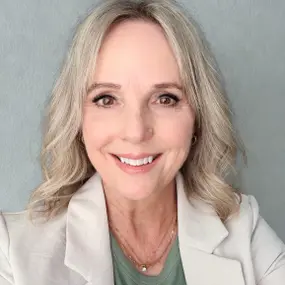
Writer
Shelley is a former teacher and teacher leader from Langley, BC. She was married to a firefighter and captain for the Vancouver Fire Department in Vancouver, BC. In August, 2024, Shelley lost her husband, Ron, to occupational cancer. This set off a turn of events, including early retirement and finishing the story that he was telling his friends and family on social media. Ron wanted other firefighters to be aware of proper screening and testing for cancer and, ultimately, the slow arrival of PTSD. Shelley tells us what it is like to live through this experience, and she is writing a memoir that she hopes will help firefighter spouses and firefighters, fire departments, and first responders while honouring her husband's legacy.


