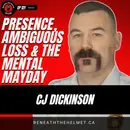
Presence, Ambiguous Loss & the Mental Mayday | CJ Dickinson
What does it mean to be present when you are physically there, but part of you is still carrying the last call, the last shift or years of accumulated stress?
In EP121 of Beneath the Helmet, Arjuna George sits down with firefighter, former battalion chief, mental wellness advocate and coach CJ Dickinson for a conversation about presence, ambiguous loss, leadership, family and coaching in the fire service.
CJ shares his own experience of recognizing that he could show up physically for the people he loved while still being psychologically somewhere else. The conversation explores ambiguous loss, the value of naming what we are experiencing, the tactical pause between work and home, listening beyond the words “I’m good,” and why leaders need to know the people behind the uniform.
CJ also introduces his C.A.N. Framework, a fire-service-informed coaching model built around Clarity, Actions and Next Steps.
This episode is not about having all the answers. It is about noticing what is happening beneath the surface, asking better questions and becoming more intentional about how we show up at work and at home.


Presence is easy to confuse with attendance. Firefighters are trained to show up, perform and stay focused when the pressure rises. But being physically present does not always mean we are emotionally or psychologically available to the people around us.
CJ Dickinson joins Arjuna for a candid conversation about what can happen when the demands of the job follow us home. CJ describes learning about ambiguous loss and recognizing a period in his own life when he was physically present for his son but internally checked out. That recognition opened a larger conversation about family, cumulative stress, mental wellness and the people who sometimes notice changes in us before we are ready to face them ourselves.
The discussion moves from home to the firehouse. CJ explains why mealtime, ordinary conversation and knowing your crew beyond their operational role matter. He shares a leadership practice he used as a battalion chief: asking each person, “How may I best support you today?” Over time, the question became part of the culture and eventually came back to him when his own crew noticed that his plate was full.
Arjuna and CJ also explore coaching. Both describe coaching as a way to strengthen listening, curiosity, reflection and self-leadership. CJ introduces the C.A.N. Framework, adapted from the familiar fireground CAN report: Clarity, Actions and Next Steps.
The episode leaves listeners with a practical invitation: pause, notice what is actually happening, and have the conversation that may be waiting beneath the surface.
Topics Covered
· Ambiguous loss and psychological absence
· Presence versus attendance
· Family connection and difficult conversations
· The tactical pause between shift and home
· Listening beyond “I’m good”
· Servant leadership and crew culture
· Coaching skills in the fire service
· C.A.N.: Clarity, Actions, Next Steps
Want to dig deeper? Check out the companion guide for this episode.
Buy CJ's Journal CLARITY. ACTIONS. NEXT STEPS.: A DAILY COACHING AND REFLECTION JOURNAL
Buy Arjuna's Book Burnt Around the Edges: A Guide to Mastering Stress and Surviving Burnout
Connect with the Host:
Arjuna George – Fire Chief (ret) Owner of Silver Arrow Coaching and Consulting, Beneath the Helmet Show, and Burnt Around the Edges author.
www.silverarrowco.com
www.burntaroundtheedges.com
www.beneaththehelmet.ca
EP121 | CJ Dickinson | Clean Transcript
Beneath the Helmet • Publishing System v1.2
Lightly cleaned for readability. Meaning, sequence and speaker intent preserved.
EP121 | CJ Dickinson
Arjuna: All right, everyone, welcome back. This is Beneath the Helmet. I'm your host, Arjuna George, former fire chief, podcaster, writer, and coach to the fire service. Today we're gonna talk all about presence and mental maydays. Today I'm joined with a firefighter, 27 years plus experience, a mental health advocate and coach to the fire service, speaker and writer, CJ Dickinson.
It's time to ignite your soul and unlock your full potential. Join us on Beneath the Helmet, the podcast exploring firefighters' health and wellness. Hosted by retired fire chief Arjuna George, our podcast is the perfect place to start your journey towards becoming the best version of yourself. So come on, let's join the conversation and find out what sets your soul on fire.
Arjuna: Welcome to the show, CJ.
CJ: That was an impressive, intro there. I-
Arjuna: Oh.
CJ: Yeah. Thank you. Thank you.
Arjuna: That was, just a minute little intro. So saying that, CJ, before we start, who is CJ beneath the helmet? Tell our listener a little bit of who CJ is beneath the helmet.
CJ: Oh, beneath the helmet, first and foremost, I'm gonna go with father, right?
We often forget that our identity is so tied to the job. but father, significant other, on the, on the better half of have... better half of life now. but yeah, just, really, like you said, advocate for mental, mental wellness. also a coach, I think May of, May, May, somewhere in 2025 was when I finally finished that certification.
But, uh... And a foodie also. Uh- Nice ... I am, I am the... Yeah. Yeah. That recipe's a long one that I gave you, but, uh- Wow ... we'll have to actually get into a little detail on that one. So yeah, love, love cooking, being in the kitchen, on the grill with the smoker, all the things. So.
Arjuna: Beautiful. So former battalion chief, and now back on the rigs, is that what I hear?
CJ: Yeah. Yeah, I, left, left to being a battalion chief back in, last month, and, s- made a transition into municipal department, riding the back step again. it's, it's been an interesting process, but it's, fun being back on the back step with no responsibility other than, showing up and doing what you're told.
Uh- Love it ... I'll take it.
Arjuna: What do you miss about being a bat chief?
CJ: Oh Or anything.
I think at the end of the day, my, my guys that, that I was with, I still hear from them. a couple of them, couple, couple of them just got promoted in the captains roles. so I'm incredibly proud to see their continued growth, and just taking care of the, the men and women, right?
That's, that's really what I miss 'cause I was in a position where we could affect change occasionally. and I, and if I could shield them from anything of the administrative nonsense that I could possibly shield them from, I was, I was gung ho for that. I, I do miss those things and, and it's, it's good.
I'm in a much better spot now, much happier. If you talk to a couple of them, they will tell you flat out I am happier now, back on the back step than when I was wearing those crossed bugles.
Arjuna: when you said your little intro there, who you are beneath the helmet, you mentioned the better part of your half, of your life Ex- expand on that a little bit.
What's- Expand on that one ... the second part is the better part, yeah.
CJ: well, you know, like a lot of, lot of, first responders, right, the, the first marriage didn't really, wasn't a successful one. it, it ended, here a few years ago. but, my second part of, second half of life love, is quite amazing.
I'm gonna go ahead and drop her name, Jennifer Anderson. amazing human that's entered my life and has fully supported the growth that, that I've had here in the past year, which includes, a little bit of what we're gonna talk about today. Actually, no, a lot of it, a lot of it, so.
Arjuna: Okay. Yeah, until we connected, I did not know we had the same mutual connection, knowing Jennifer from FRC, so very cool.
CJ: It, it, you know, it was funny. We were at a, we were at a cookout, when you messaged me on LinkedIn, and, and I know I had shared with you when you messaged me, I was like, "What is, what is he talking about? Like, what article?" I had to actually go find it, and I was, I was shocked when I found that Crackyl featured it in the summer edition.
and then talking with Jen, I was like, "Look, Arjuna wants me to talk on the podcast." And she's like, "What? I haven't even been on the podcast, guy. Maybe you gotta write better articles. I don't know." Yeah.
Arjuna: Oh, there
CJ: you go. She's, she's gonna end up kicking me for that one.
Arjuna: Yep. Excellent. I might have to edit that out, right?
CJ: No, not at all.
Arjuna: Yes.
CJ: No. It's all in jest.
Arjuna: So you, you speak about the Crackyl magazines. You've written a couple of great articles there. Thank you. a couple that we wanna dig into are the mental maydays and the ambiguous loss, which I think is a, a critical component to kinda ampin' up our conversation. So what did ambiguous...
Like, that's a, that's a new term to a lot of people, and I believe it was a new term to you until you heard it, ambiguous loss. Yes. Maybe tell the listener a little bit what that means, and how it's so important to us as first responders.
CJ: Yeah. I had to go back and read that article 'cause I, I, I wrote that, mental maydays one.
I was in a low spot, at the time when I was writing that, because it was tying back to a, another event, and time period that just kinda was not, not a good time. But- Ultimately, to really drill down ambiguous loss, it's grief without closure, right? and it was originally coined in the 1970s by Dr.
Pauline Boss, and there's, there's two types. There's a t- type one and a type two. in particular in the article, what I talk about is the type two. It's that psychological absence with physical presence. And in that, in that article, when I learned about it, there's two photos that really stuck out hard in my head.
The first one was from April of 2023 with my, my son Keone at a wrestling tournament, where I'm knife-handing him in the chest on the corner of the wrestling mat, and obviously giving him a pep talk. but what was really important that a lot of people didn't know at that time is my phone was constantly on do not disturb.
I wasn't answering phone calls, text messages, emails. but when it came to shift, I was there, right? I showed up, I physically showed up for his tournaments and all the things that I could physically be at, but upstairs I was just not checked into what was going on. Fast-forward, April of '25, I think it was, we were out at, the Shield of Armor Wellness, conference that was hosted by Cape Girardeau, Missouri Police Department, and they had Dr.
Aaron Kraw, speak, and that's where I first learned about ambiguous loss. So of course, me being me, the analytical guy that I am, I started diving in a little bit, reading more, because I was also in a position where I was just finished coach certification class, really working on my own internal shit, to improve, and sat down and wrote.
because I think our family and friends see that piece first, where we are physically there with them, you know, sitting at the table for dinner, but we are just completely checked out. We are not present because we're thinking about that last call that we were on that, that had an impact, on us. So I, I think that pretty much sums up, sums up that piece.
I, I, I know I, I said it with, uh- With Keone, we had some really hard conversations about this and where, where I was at. And the ironic thing is, is that April 23 photo is one of his favorite photos of us, and I really wish, I really wish in my heart of hearts that I was more present for him at that point in time.
I just wasn't. But his senior night, there's two different CJs in those photos when you look at them. you know, there's this, the smile on my face, the smile on his face. I actually did go back to look at that article again to see, and unfortunately, those two photos didn't, aren't, aren't up on the web anymore.
but they definitely hold a special place in my heart, knowing where I was at, the history piece, right, and then where I got to and where I continue to climb now, and continue to grow
Arjuna: I think naming stuff, especially when it's to do with mental health or just wellness in general, it's always nice to name stuff. What did you find the benefit of having a name to attach to this? Was there something that kind of really shifted for you because it had a name attached to it, and it was something that people are familiar with, and there's data behind it and science behind it?
CJ: Yeah, that's a fantastic question. I, I think, you know, when we go into these battles sometimes where we don't know what we're fighting, if you don't know what you're fighting, what, what are you actually fighting? if we don't know that there's some studies and research that's been done on this particular thing, and these are some of the, actionable things that you can do to grow through 'em, then what are you doing with it?
I... You know, just, just the other night actually, probably a good example. We had a significant event on shift, very significant event. knowing what that event was, you know, we started talking about and doing that debrief very early on, as a crew, right? And then that rolls into the critical incident stress debriefing, and we're still having conversations as the crews that were there.
but we know specifically what that event was, what the impact were, were on the individuals. Whereas when I came home that n- that night after shift, it was like, "Hey, I just had this thing. So-" I need a little bit of space just to, to navigate where, where I'm at. and, you know, this would be helpful, and this would be helpful.
You know, naming specific things. so that makes it a lot easier with that communication piece too. so in this, I, I also ask Jen quite frequently, if, if you see that, like, I'm off on some other side of things, call it out. Like, give me a tap. Let me know where I am. 'cause sometimes we're not fully aware of what it is that we're doing, 'cause we get so engrossed in our heads.
So from that naming aspect, again, just to bring it all back around, naming it helps us better understand what we're dealing with and how to appropriately take actions to move forward in a positive direction without, you know, picking up the, the bottle of whiskey or some, some other drug per se.
Arjuna: Yeah, there's a famous kinda saying, name it to tame it, right?
So whenever you name it- That's a good one ... it, it kinda tames- Yeah ... the, the power of it, right? Mm-hmm. So name it to tame it, yeah.
CJ: I'm gonna borrow that one, Arjuna.
Arjuna: You betcha. It's not from me. That's, it's... I, I can't remember who says it. I wanna say... Nah, I c- I couldn't even guess. I'll put it in the show notes if I remember.
CJ: Oh, I wrote it down. It's in my show notes, bud.
Arjuna: So ambiguous loss. I, I'm curious, you mentioned, that your family and your friends noticed a change in you that you weren't noticing, and maybe it was from the loss. Maybe it was from the fire service in general. What were some of the things they were noticing in you that you didn't notice in yourself?
CJ: I wouldn't say it was that I didn't notice it. Like, I was purposefully putting my phone on do not disturb when I was off shift, right? Like, I, I had awareness of what I was doing. I think it was more of a, I didn't wanna face what it was that needed to be faced at that point in time. I think it was right shortly there before was when I first received my severe, severe depression, cumulative PTS diagnosis, right?
So like, what do you do, what do you do with that? Even, I mean, you've been in the fire service long enough. When I came up, it was you just shoved it down and kept on. You didn't talk about it. So when I finally got, got tapped, and my arm was grabbed, and I was told very pointedly in my eyes, "I see you," I...
That hurt, right? 'Cause now, now I have, I'm at a decision point of do something or do nothing. And thankfully, I had the right support network in play that wa- was seeing me implode, and provided their, their presence, and pointed it out to me, and helped me sort through some things that needed to be sorted, and, and get after some help that was definitively needed at that time.
Arjuna: yeah, so powerful to have an army around you, right? People who are watching you, being with you. it's hard to do this alone, right? So I think the, the power of the tribe is, is very important when you're dealing with- Ab- ... any sort of mental health- Absolutely ... or wellness, right? Yeah. Do you think burnout, disengagement, like checked out firefighter has anything to do with unresolved loss?
CJ: I would say yes. It absolutely does, right? Because we, we experience the loss out on the fire ground, right, or EMS call, whatever it may be. but then we also have that home bound loss too that we also don't talk about, the missing the first day of school, missing birthdays, holidays. and I think we've- I've seen it over the years, we've gotten away from integration of families at the firehouse, which is kinda sad.
I think a l- a lot of people are taking those, those longer commutes, right, to get that better paycheck, and unfortunately that, that piece of that kinda takes that family piece out. some organizations are doing better than others at keeping family integrated, but that's also another piece that I wanna highlight.
And all the things that we're doing with that burnout and compassion fatigue and things, we don't integrate the families enough for them to understand it better what we're going through, but how to support us. Not necessarily help us or fix the problem, but support us as we work through it together because again, they notice these things long before we do, and even before our crew mates, notice it on us because when we show up to the station, we're showing up to work.
we're bringing that 110%, 95% of the time. I'm gonna give that little 5% a leeway 'cause everybody has an off day here and there. But we need to do a better job at integrating families in with what we're learning on how to navigate improving our challenges.
Arjuna: Couldn't agree more. Yeah, the family aspect definitely changes things, and it, yeah, it's evolved over the years, for good or, or worse, right?
CJ: Right.
Arjuna: So ambiguous loss. So I'm, I'm trying to wrap my head around what the firefighter listening right now could do to maybe minimize some of the s- suffering, some of the, the challenges that accompany unresolved loss. What would you suggest to that person who's kind of like, yeah, I definitely have some unresolved loss?
and it could be small stuff, it could be big, big events. What would you suggest for that person to, to do to work through that to live a, a good life?
CJ: ask yourself this question. If you could hit the pause button right now and take a closer look at something, what would that something be? Write it down, right?
After you write that down, okay, what is inside your control to affect a change on that thing? If it's yes, no, who knows? and then engage somebody, a t- a trusted friend, another peer, a coach, right? a clinician, maybe even your supervisor, depending on how your relationship is with, with your, your shift captain.
and address it, right? But I think that question is probably the biggest thing. If you could hit that pause button and take a closer look at it, what would it be? Write it down.
Arjuna: Just imagine what would change in our lives if we pressed the pause button just a little bit more often, right?
CJ: It- the- that tactical pause- Yes
right?
Arjuna: Yes.
CJ: you know, we use it on the fire ground all the time, but when it comes to, you know, pulling in the driveway to make that transition from shift to the house, take that tactical pause, right? How, how do you wanna show up for others in this moment? And maybe even that's, that's a better question to ask, too.
Arjuna: Yep.
CJ: Yep.
Arjuna: I love that. And, and pause right now if you're listening and, and consider that question, I think is, is pretty important. So I think presence is part of this whole thing, and I think being a healthy firefighter, somebody who's a good father, a good partner, presence is key. And when I originally read your Crackle article, that's kind of what made me reach out and say, "We need to share this," 'cause I think presence is something that we're, we're, we're challenged with.
We're not... We have been trained actually to be present in other areas and, and ignore other areas of our life. So as firefighters, we're very present on the fire ground. We're, we're trained as a skill set. What does training to be present look like? How does one train to be more present?
CJ: That's incredibly difficult to answer, right?
I, I think we, we had a couple good, good actionable takeaways that I put in there, right? as we, as we were getting started, I said to you, "Hey, let me put my phone on do not disturb." And then, you said, "It's face down, right?" I was like, "Yeah, absolutely." because even though it's on do not disturb, sometimes they still light up.
so that's simple thing, right? When, when you come in, come into the house, right, and your girlfriend, wife, boyfriend, husband, what- whatever it is, put your phone face down. I know it's something that I started doing a few years ago and, and some people get offended by it, which is interesting. I think, you know, it's almost like you're trying to hide something.
But I think when I put my phone face down, it's to remind me that this conversation and this time is critically important. and it might not be about me. It's more about the other person. also, I think I referenced, you know, listen to understand rather than respond, too, because w- where those conversations go at times, we're too often we're, we're only listening to respond to what's happening.
listen to understand the situation. And, you know, last night, great, great example, I got, got home, took showers. Jen's daughters got home and, it was first day of school, so immediately phone was... All right, let's start this out. What was the, your favorite thing about school today? Right? And just get into the conversation.
Focus on 10 minutes a day, to start and expand from there. Turn the TV off, right? That's a, that's another challenge, having the television on and everything else that's, that's happening. So it, it's just one moment at a time. Figure out what will work for you to be more present into the conversations that are being had and do it.
Arjuna: Does that transfer straight into the firehouse, or is there other kind of tactics that you use to be more present with your firefighters?
CJ: Mealtime is critical at the firehouse, right? That's, that's always the first, first conversation of the day, before the shift even starts and we start doing the ride assignments. But what's, what's for breakfast, what's for lunch, what's for dinner? 'cause, you know, we're gonna argue about those for about three hours, right?
it transitions over the same too. I think the phone is a wonderfully horrible thing that we have 'cause we have that little computer in our hands, and it's such a distraction tool that we all use, to waste time. so move your phone off of the kitchen table, right? I know with, when I was at BC, one of the things that we, we would do roll call every day, right?
And it was generally in the office and, you know, for presence, from a presence standpoint, even though there's a lot of moving parts to get the day started, the final thing that I would do at sh- at roll call after we got done with the other stations, I would go one by one, "How may I best support you today?"
is the question, right? it took a while for that culture to flip over to realize that I wasn't just asking a question, I was being legitimate. but just having conversations, and not always about work either. what are the kids up to? You know, who's, who's playing what sport? travel arrangements.
You know, learn, learn about each other outside of your skill set on the fire ground and in the station of who's cleaning the toilet and who's mopping the kitchen
Arjuna: So when you talk about listening, and I think listening in the fire station, listening at home is so key, how did you learn how to be a little bit better of a listener? I, I believe, I'm guess- guessing coaching helped you to be a better listener, 'cause it sure helped me to be a better listener.
CJ: Yeah. As, as we sit here at my desk, right?
Here's-
Arjuna: Oh, there you go. Co-Act. Yep ...
CJ: there it is, right? Co-Active coaching.
Arjuna: Yes.
CJ: the three, the three levels of listening. my g- my guys joke me about that, too, and everybody that I engage with, "Hey, you're listening at level one." Um-
It's a practice, right? I think it's a, it's a good reminder to go back to the book and I, I mean, you see how close I have it to me sitting at the desk. just to go back through it and re- reflect over, you know
Am I listening because I wanna respond to this or 'cause it's about me? or am I sprinkling in a little bit it's about the other person? Or am I really truly listening to not just what's being said, but how it's being said, the, emotion in it, hand movements, body language in general. it, it all matters, right?
You know, I think, what's the question we had on the fire ground? "Hey, you good?" "Yeah. I'm good." Are you though? So just that question alone, right? H- how somebody responds to it. I know I asked that question the other day, "Are you good?" "Yeah." Mm, there's a little bit more to that. Let's, let's have a deeper conversation about that because that good response was not a good, good response, right?
Arjuna: what would you say now instead of, "Are you good?" Is there a different question you'd ask a firefighter if you were concerned? Or is your good, is that your question that you like to ask and see how they respond?
CJ: W- now we're back to learning each other, right? And actually truly paying attention to each other because it, I think, can you ask that question still?
can I still ask that question? Yeah, I, I still can, but it ... Having been through what I've been through and what I continue to focus on for my own personal growth, I tend to focus a little bit more on that tonality, tend to focus in on a little bit more of the body language. I, you know, there's some really great information that I would love to put out there on this, but it's too personal now at this point that, it's a little too soon.
I don't think I could, couldn't, I also don't have permission to share it. But really truly paying attention to mannerisms of the, of y- who you're working with. if somebody's off, call it. Call it out. Like, "Hey, you're, you're not right. Your, your response is not typical of if I would ask you if you're good."
You know, really like, "Are you okay right now?" Yeah. And just leaning into it. And I know it's uncomfortable for us to have those conversations, and I think that's where, you know, as company officers and even, listen, leaders at every level, right? We need to model that behavior too. so I willingly model that behavior.
I had an incident about two years ago where it was, I was asked if I was good, by a neighboring chief in the middle of the roadway, and my response was, "No." He panicked, 'cause we don't train for that no answer. but that was me being open and candid of where I was at in the moment. I was not good.
but I, I worked through it to get to that point where I can acknowledge it. So being present, right? Sitting on the tailboard, having that 3:00 AM cup of coffee, just to let the other person that's with you know that it, it's okay to not be okay, and I'm here to walk with you to wherever that path leads us
Arjuna: Such an important skill that we really honestly don't train a lot for, do we?
Or, or at all. Or
CJ: at all. Yeah, I, I don't, I don't think at all. I think- Yeah ... we're getting better at it. we're acknowledging it more, but we're still not delivering, as, as you know, we're still not delivering at the level that we, we owe it to each other and our family and friends to deliver.
Arjuna: So going back to that critical question that you're asking your firefighters at the beginning of each shift, how can you be of service to them essentially, what was their response to you, and what did you see change over the, say, months of asking that question?
CJ: It, it literally took months. no, they actually, they started actually engaging and being open of what their needs were for the day, what they wanted to accomplish for the day, and, right? And, and as a servant leader, you're adjusting your day around, around them too, right? it didn't really click that we had made significant progress until one day it was, you know, o- just one of those crazy mornings that started before roll call, and I did not ask the question.
And when we were done, I'm, you know, up to my eyeballs like, "Let's go." You know, rig checks, blah, blah, blah. And they're like, "Hey, you didn't ask the question." I'm like, "What question?" "You didn't ask how we could s- how you could support us. So what can we take off your plate today, Chief, to make the day a little easier for you?"
I was like, "Ooh." Right? That was, that was, that was, an epiphany, right? Like, oh my God, it, it's working. I hope they're still doing it today. I doubt it. But, you know, every once in a while shoot that text message to do the check-in and see how things are going. So yeah, it took, it took months, but it was finally that day that I didn't ask, right?
Because it wasn't ... Now it was out of character, 'cause I didn't ask it.
Arjuna: You think that was the specific day that the culture shifted, that you realized the culture had shifted?
From just a conversation to actually- Yeah ... reshifted culture here. Or was it a different time, you think?
CJ: It's all the, it's moment, I think moments in a whole that you can't necessarily put down on the calendar.
Arjuna: Mm.
CJ: because when, you know, when they knew that I, as a supervisor we could still have non, we could still have regular conversations, 'cause I'm not just there to supervise you, right?
My, my whole intent sitting in that seat was to ensure they were whole and capable of exceeding where I was sitting, and that meant on every aspect. So there was definitely a few of them that came in the office with, with some things where we would shut the door and I'd pull out the, the wheel of life, right?
And, we'd sit there and do a wheel. And, you know, there was a couple of them when they'd come in and shut the door and they'd go, "S- don't pull out that piece of paper again," right? Because they knew what was coming. So we could start, like, really shaping that conversation to, to walk through whatever it was that they needed to walk through.
So it was just a lot of the little moments, Arjuna. It wasn't necessarily that, that one big one, but that was definitely, to have four other people sitting in the office to be like, "What can we take off of your plate at one time?" that was definitely, definitely a moment that I hold near and dear, and is, was exciting to see that it, it, that we did have such a significant change because they acknowledged that I was full.
I didn't openly tell them that my cup was full. but they called me out, and I, I'm grateful and appreciative of it.
Arjuna: Well, I would say you built a culture shift there for sure, and it might have happened gradually, you know, 1% a day or something, but to me that, that story definitely exhibits like this was the evidence that there was a shift in the culture.
Um- Right ... but yeah. It's pretty impressive. I like it. So once again, firefighters, we're trained to be great firefighters. We're trained to come to practice, come to drill, come to the fire station, come to calls. We're great at showing up. Do you think it's possible that we've kind of related attendance with presence, and they're not actually the same thing?
Do you think we, we concentrate more on attendance, being at the scene, being involved, being on committees, being here, but not actually being present?
CJ: I think for a lot of us, attendance ends up being a way for us to run ara- run away from what's going on inside of our heads because we stack our calendar with, committees and other things. Then we're too busy to actually do some of that inner work that needs to be done for our own self-awareness and self-reflection, for growth.
Um-
Arjuna: Pause.
CJ: Yeah. Yeah. Yeah, big, big pause there because I think there, there's a couple different things going on, on with that. That, it, it's a fantastic question, but like w- if we go into that training, training element, there's a difference between training, certification, qualification, education, right? So training, at the end of the day, you just, you just need to be there, and, you know, you'll probably get that piece of paper saying you were there.
we get into that certification piece. All right, well, you were there. You got the first piece of paper, but now here's the test. And well, cool, you can do the skills, you can pass the written test. But now we go back to our locality, and are you truly qualified to perform what you're allegedly certified for and what you've been trained for?and then you have that education piece which, you know, depending on who you talk to is going to university, getting your bachelor's, master's, and so on and so forth. but two things can be simultaneously true, yet different. So it's a yes and a no for me on that question. Yep,
Arjuna: I like that. Yep, I like that.
' Cause I, I, I've seen in the past you can be present physically, and like you said in your, your photo, you were physically at that wrestling match, but not there. And I think a lot of, you know, first responders I've talked to over the years, they've been at the practice, they've been at the certification, they've been at that funeral, they've been wherever, but not present, right?
And I'm curious if attendance and, and being present is the same same or, or not? And I think- Same different. Yep. Totally. Same different. Same
CJ: different.
Arjuna: So k- kinda s- kinda closing this chapter of the conversation about presence, going back to those two photos, I think those are two powerful images that are... I personally haven't seen them, but I know just painting the picture by talking to you, how powerful they were. Looking back at that first image of you with your son when you weren't present, what would you notice now if you were where you are now, CJ 2026- What do you think you would have seen in yourself at that time in that, if you could snap back to that timeframe?
CJ: Yeah, I would, I was significantly damaged. I, I think, one of the, C. Rodriguez was in my coach certification class. she's a phenomenal, phenomenal, person. She, was a lieutenant out at Las Vegas PD, now retired. But, she described PTS as- When we get a car, right? In our PTS for, for some of us, we, you know, you hit that, you get that first dent, dent or ding.
Eh, no big deal. It's still drivable, right? And you, you keep going. you get a couple more dents, dings, scratches, adding character per se. but next thing you know, you're driving around in a totaled vehicle, right? Um-
CJ today can very delicately call out that you're driving around in a pretty jacked up car, and you need to go to the body shop. so yeah, that's, that's where I was at. I, I really needed to get into the body shop and get some, get some repairs done at that point in time, and I will never, ever go back down to that hole now because I...
One, I know better. two, I have access to resources that I never had before that I didn't know were available. and three, I'm willing to admit now when I'm not good and I need something extra, whether it be, going to the therapist, right? Had to cycle through quite a few of them to find, find the right one that fit.
taking meds, you know, listen, take... Everybody's kinda goes, go down one way or another, exploring other things, right? Like, I don't know if you've seen the, the SBG shots that are going in the cervical spine now. know a couple people that have done that. ketamine's now a treatment option.
Like, there's a whole lot of options out there that we didn't have, but we need people that have experienced it and willing to share their experiences and talk about the different things that, that they've done that were positive and negative and r- and be mindful that everybody responds differently and needs a different path.
No one path is gonna be the right way. So, long-winded answer, yeah, I, I, I'd call it out now. you know, we've... My son and I, we've, we've spent a lot of time having these conversations too. Um- I was just
Arjuna: gonna ask you that.
CJ: And yeah. Thank you. Yeah, w- I've been wide open about it. he's... When the article first hit, you know, he, he cried.
and that was, that was how I found out it was his favorite picture 'cause I wanted to make sure he was okay with me sharing them, sharing those pictures. and now since he's joined the Army, graduated basic and is off to his AIT school, and he's had his own significant event within the first two weeks being at his AIT school.
so we've spent a lot of time, like, t- talking about that event and, you know, he knows that there's other resources available, that we can work through these things. So while yes, it was a significant event, it doesn't have to shape or change who you are as a person. but we can do better, and that's really, at the end of the day, that's what it's about, is doing better, being present for him, and, and the family the best I can.
Arjuna: Well, the firefighter listening right now is like, "Yeah, I've have this exact same scenario in my life. I've, kind of, I've been present with my kids physically, but not, with them." Would you suggest they talk to their kids now if it's, maybe it's been like five, 10 years? Do you... What would you suggest to them about, is it the right thing to do is like, "Hey, this is where I was at this time in my life.
The fire service kind of took everything from me, and I wasn't available for you." Or is it better just to leave that l- you know, to lay and rest? What would be your thoughts there on that scenario? If
CJ: we're looking for advice, I would say have the difficult conversation. It re- it, it does require you to, be willing and able to share w- truly where you were at, and how you would want to, wanted to...
How you think you weren't there the way they needed you to be, but you were there the way that they best could be. and just be open about it if you're gonna have the conversation, but be prepared. They could be very ugly on the, on the back swing on that one. and I know that's something that I've, I've had to be clear with him.
Like, don't worry about hurting my feelings on this. I've, I've beat myself up enough on my own, but I wanna know where you're at because this is where I was. I know I was there, but I wasn't necessarily there the way you wanted me to be there, so we're back to communication. So if they're, they're a little bit younger and m- maybe the question is, is how may I show up better for you?
Well said.
Arjuna: Good job, Dad. Good job.
CJ: Yeah. Thank you.
Arjuna: For opening up that, for opening up that conversation with your son. I think that's so critical for people to hear, right? So good job.
CJ: N- now, you know, on, on that I'm gonna sh- share a, a piece. The day of his graduation, we were winding down, sitting down, and he, he kinda came out to the, the Airbnb living room, and you could tell something was weighing.
And I was like, "What's up?" And he's like, "Oh, you know, I just don't feel like I accomplished anything." That's, that's a pretty big statement after being away for 10 weeks, right? And the first question I asked was, "Do you need Dad or do you need Coach?" He said, "I need Coach." I'm like, "Well, shit." Kinda wanted to be Dad in this instance, right?
so we walked through a few questions and, you know, one of the, the, one of his drill instructors had wrote in his book, "You're, you're not me. Be better." So I was able to kinda pick up on that and say, "Hey, what does that statement actually mean to you?" He had his aha moment, as you're greatly familiar with.
and he's like, "He thinks I can be better than him." Love it. Right? And-
Arjuna: That, that's awesome ...
CJ: then he accomplished something at that point, right? We had to get, get a few questions in, but that one, that one was just beautiful.
Arjuna: Love it. Well, perfect segue into coaching, coaching the fire service. So I'm curious how you got into coaching to start off with the conversation.
Like, I think coaching solves... I wouldn't say solves. It, it assists a lot of these challenges that we've been talking about for the last 40 minutes. I think it really helps with communication, being present, listening. It hits all those marks. So saying that, how did you get into coaching? What inspired you to get into coaching?
And we'll go from there.
CJ: So my first exposure was to First Responder coaching. and, you know, full disclosure and honesty, I thought it was a joke, right? You know. But I was also at a low point of where I was at. fast-forward a little bit and I got some informal coaching, and some formal coaching at that, and in conjunction with therapy too, and what a world of a difference it made.
It made so much of a impact on me. It allowed me to show up better for myself, show up better for my son, show up better for the crews at the station. so I went and found some grant funding, to facilitate my attendance of the coach certification class because I'd just grown to a point where, all right, like I'm good.
Like, I'm still working on me, but I wanna be better so I can show up better for others. And got half of the cost covered by a grant and covered the other half out of pocket, and here we are. So I, I say I use coaching every single day. I absolutely do. the listening part is probably the biggest piece, the presence part, but also asking better questions, in a whole.
that's really the best thing. I think it, it's helping me with patient care as I've drawn back on the PAC step two. Of course, we, we do do transport EMS, so now I have the ability to employ some of my, knowledge, skills, and abilities in asking better questions of a patient to get answers to better provide them better care too.
so all in all, coaching is a, is a, is a great thing. I think we're about three years into a project down in West Virginia that a company I work with, Battalion 1 Consultants and FRC, partnered with, development of a re- regional peer support group with the first layer, being peer-to-peer, second layer being coaching, and the third layer being cl- clinicians.we can affirmatively attribute, the coaching skills that have been employed down there to saving three lives- definitively, which is absolutely amazing. and we're continuing to work that project three years later. I think we're, we're nine months out of contract, and we're still engaged in it.
it's an, it's an amazing tool, for anything that you need it to be too, right?
Arjuna: Couldn't agree more. I... And I tell a lot of people this is the best learning experience I've had in my entire life was going through the coaching program. better than any other fire officer program, firefighter program.
This taught me how to be a good leader, in my opinion, to myself and to, to others, for sure. So you mentioned kind of out of the gate you thought it was a joke. curious what changed for you. Like, what was it that... Well, what did you go into it thinking it was, and what did you find out it was?
CJ: I think everybody goes into it thinking about the, you know, the old life coach, I'm gonna sit on a computer for two hours and now I'm a coach, right?
but it's n- nothing like that. I think if y- if you went on my reading list and, and which I had to start compiling now b- because I'm actually been, you know, doing a lot of audiobooks and re- like, really reading now, as a... You know, I got Brené Brown sitting here, who else? John Maxwell, which the 21 Laws of Leadership and the thing that John Maxwell is doing.
Ryan Holiday, like, I'm just surrounded by all these books and learning. Marsha Reynolds, as you know, who's a phenomenal coach. just learning how to ask better questions and listen. it's amazing what you can learn when you ask the right questions, and I know it's something that I've said for years, ask me the right questions, you get the right answers.
I think in my initial experience, I didn't realize I was being coached at the time, and now I, I know I was. but I've, I've taken that piece too, and anybody that has, has a question, I'll start- Going down that coaching road with them without them knowing their coach, being coached. And finally when we get to that, we hit that aha moment, I take a pause and, and sometimes it's with somebody else being present that knows what I'm doing, 'cause they know me, they know I'm gonna go down this path.
I go, "So I just wanna let you know, you were just coached." And they're like, "What? No." Yes, that's what coaching is, right? the, you know, same, kind of the same, along the same lines, I did a group coaching session with the crew on shift one night. it was a wonderfully horrible idea. As you know, it's incredibly exhausting, and after about an hour and 10 minutes, I had to raise the flag because I was just, I was done.
but one of the people that was in that room took it upon themselves to then go schedule an external coaching session with another coach, right? Because they, they didn't truly understand what it was until we went through it, and I'm like, "Well, after the hour and 10 minutes that you guys just put me through, I'm incredibly grateful that you decided to go somewhere else."
But, and, you know, subsequently this person has now recently been promoted from fireman to captain. So if coaching had played a role, I hope it did. But yeah, it's really powerful. Really powerful stuff.
Arjuna: So for somebody who's listening right now who's kind of on the fence, have heard about coaching but it's like not in the fire service.
There's no... Why, why coach in the fire service? It doesn't make any sense. Used to sports, used to executives- Mm-hmm ... anything like that. But from firefighter up to fire chief, I think coaching should be part of our everyday kit of, resources. What would you say to that person who's kind of on the fence, who's like, "I don't see the value in coaching.
It's just, it's gonna cost me money and I don't see the value in it." What would you say to that person who's going through that right now?
CJ: What would it cost you if you did nothing?
Arjuna: Me.
CJ: Coaching question Right? But you're alr- but you're already coaching, right? When w- when the new guy comes to you and is like, "Hey, what are better ways for me to force a door?" You're coaching them through your coaching, right? You're not necessarily instructing them because they've already got their Fire 1, Fire 2, been through the academy, and they've probably forced the force door, you know, however many times.
But now, okay, you learned it the book way. Now come to the s- the salty guy that's got 20, 25 years on, you're gonna coach them to, you know, leverage things a little bit better, you know, exert less work. You're coaching already. but now when it comes to... Listen, a driver's a driver potentially, right? They might not wanna l- leave the wheel because they're just a wheel man.
They don't wanna bump over to the officer seat and make lieutenant, captain, et cetera, and that's fine. But you're put now into a, still a leadership role as the chauffeur. How can you improve the crew as a whole? And if somebody wants, like, is that listening? Is it training? Is it asking better questions of the junior guy coming in?
it absolutely has a place, and it doesn't have to be focused on the fire service, right? You can coach anyone about anything at any time. It doesn't have to be job related.
Arjuna: So true. And I always, I'm an advocate for anyone taking coach training. Certification could be a, a three-month program, could be a two-year program.
But getting those skills to put in your leadership toolbox I think is so critical. So you don't have to be a coach per se, you know, do this as a living or anything like that, but having that skill set in your toolbox as a leader, best training you'll get in your, in your life, in my opinion.
CJ: Yeah. The Jocko, the old Jocko Willink, when you bring him a pr- problem, good, right?
Arjuna: Exactly.
CJ: My guys w- they, they would bring me the problem, and I'd be like, "Okay, what are we doing about it?" "Well, we could do this, this, and this." "Cool. Go do it."
Arjuna: Yep.
CJ: Awesome. Right? You have, you brought this... Why are you bringing me the problem when you already have the solution? Mm-hmm. And, and I think that's r- from that, some of that micromanagement, we get s- so tied into the, paramilitary structure.
You have to take it up the chain of c- N- no. I- w- we should be empowering each other. If you have a solution that's within the parameters of our organization, execute. Take the ownership of it. Do it. You already know how to do... You already know it. Just, "Hey, we're gonna go do this thing because of this." "Cool.
Let's go." You have the answers. Coaching. Yeah. Everybody has the answers. Yeah. You just gotta be asked the right questions and per- perhaps shift perspective a little bit.
Arjuna: Mm-hmm. Well, that's the beauty of coaching, is you don't have to have the answers to be the coach. You can just be there to facilitate the conversation, and they're the ones who actually have the answers, right?
They just haven't had that pause to realize that answer yet. If
CJ: someone hasn't asked them the harder, the harder question that needs to be asked. Mm-hmm. Uh.
Arjuna: So in your time with this, you developed a pretty cool framework, the CAN framework.
CJ: Yeah.
Arjuna: You wanna dig into that and share a little bit about that?
I believe it's gonna be coming out shortly.
CJ: I actually, I just finalized the document for upload, about 10 minutes before I logged in. th- yeah, thanks for hitting that. yeah, a couple years ago, I guess we're going on 18 months, 18 months now, I came to the realization that in the fire service we don't need something new.
we need to repurpose something that we're already familiar with. so a lot of people are familiar with the CAN radio report, right? Conditions, actions, needs. Makes it really super cut and dry. you know, getting exposed to coaching and the GROW model and this model and that model, and I already gotta remember too many acronyms, right?
S- and- Holy crap, we have a radio report that we use. Everybody trusts it because it's super, "Hey, give me the CAN." Yep, here it is. So I repurposed CAN to clarity, actions, and next steps, right? the first step being that we need clarity on whatever the situation is that we're looking at. Actions, you know, what have we done?
What has worked before, has not worked before? And then what ne- next steps, what are, what are we willing to do in the next 24 to 48 hours to improve clar- improve that problem? I actually, I spoke on it down at, Metro Atlanta Firefighters Conference this past May, and realized, like, I should probably, like, formalize this a little bit more than just a, just a talk.
so got after it. I have the CAN journal that is getting ready to hit Amazon in the next week or so. and then I'll be speaking at the Fire and Foliage up in Nashua, New Hampshire, October 16th and 17th on this, on this framework. Um...
Arjuna: So we're sitting at the table. You're, you're the, the officer or the most senior firefighter on s- on the table.
There's a firefighter there who's saying, you know, "I'm bringing work home. I'm, I'm depleted. I'm exhausted." How would you work through the CAN report with that one person who's coming to you saying, "This job is exhausting me, and I'm taking it home, and I'm wearing it at home"? Give us a little quick snapshot of what that CAN conversation could look like.
CJ: Yeah, let's... So clar- we need clarity on the situat- what part, what part of the job are you bringing home with you? You know, what, what are you seeing? Are there other stressors that are impacting you that you're not acknowledging? You know, what are, what are your primary stressors in life? I think for, for some, right, we're gonna go to the wheel of life, too, at the same time, because it is a wonderful tool, and you can change what...
You know, you can get the one that's already printed, or you can write out eight things. but I think getting clarity on why we're depleted. Is it, is it the call volume? Is it we haven't had any time off? Is it, is it a money situation, right? Because you're depleted because you're picking up all these overtime tours and details?
Like, let's, let's really get after, like, the clarity of why we're depleted. is extra stress at, at home, is it, you know, spouse is sick, parents are sick, kids are sick, doctor's appointments? 'Cause it might not be work. So we- we're gonna... There's gonna be a lot of questions involved to get clarity on why we're feeling depleted.
Arjuna: Yeah, and I think just nailing the clarity paints the picture for the rest of the conversation so much easier, right? Like, you're able to actually process. Without- with skipping C and clarity, it's gonna be a very tough conversation to get the root cause of the exhaustion, right?
CJ: No, extremely. And plus, a- as you know, you've been through enough coaching sessions.
You, you know, when you set the goal for the conversation at the start, in my experience at least, 9 times out of 10 we don't finish what the goal that was started. We would wind up pivoting on the goal because the real thing actually surfaces in the conversation, right? Totally. If somebody's coming to me saying, "I'm depleted because of work-" Probably not, right?
But I'm not gonna say that. We're gonna walk through those, tho- those que- those lines of... those questions to really get at, you know, pick the scabs apart and poke the bruise a little bit to find out what it actually is. And, and again, the wheel of life is a great, great tool to kinda get in after that to help drive that, that line of questioning.
Arjuna: Yeah. One th- thing that kinda stuck with me through- going through coach training was the double click. The double click is so they s- this firefighter says back to you that they're tired because of work, and the double click is a follow-up question. Go a little bit deeper into that question. Is it work? Is it family?
Is... You know, you just expand on that instead of just saying, "Oh, it's work," and moving on. You wanna double click on that and, you know, go a little bit deeper into that, into that answer, right? And that just sticks- Yep ... with me. Every time somebody says something, I wanna go a little bit deeper. I'll double click on that answer, right?
CJ: Yeah, 'cause it's, it's a surface level statement. I'm depleted because of work, right? All right, I'm depleted because of work because we ran 13 calls and I slept for four hours. All right, that makes a little bit more sense. The night before, how much sleep did you get the night before you went out on your shift?
Oh, well, six hours. Okay. How about the night before that? Well, I'm not really tracking that.
Arjuna: Good for you.
CJ: Right? I like that.
Arjuna: Yep, I like it. I like it. So CJ, is there a question that I have not asked you that you wish I asked you as we come to
CJ: a close? Oh, I love that question. I've been using that in interviews too.
What's the best possible question I could ask you right now in this moment? That's a, that's a magnificent coaching question, Arjuna. It sure is. It sure is
I don't, I don't think there's necessarily a question. I just think if anybody, anybody that's listening to this, I think the biggest takeaway is don't be afraid of coaching. It will improve all aspects of your life. And if you're afraid of it, have a conversation with someone like Arjuna or myself or somebody that has experience coaching, because it's a wonderfully magnificent tool that we now have access to and should, for lack of better terms, exploit to improve all aspects of our life and show up better for ourselves, our friends, our family, and our coworkers
Arjuna: 100%.
I, I say it all the time, I'll say it again on the podcast again, is like coaching saved my life. It saved my life not in the aspect of, like an intervention per se, an immediate acute situation. It saved my life as like I can do other things than the fire service when I decided to retire early I could have gone down a very, very dark road if I did not have that support and ending my career early, I could have gone down a very dark path.
But I had a coach, I actually had three coaches at that time, that allowed me to see what's next in life, what's, what's important, what actually rejuvenates me, what fills me up, what makes me happy. I wouldn't have been able to do that by myself. Or if I did, it would've taken me a long time to figure that out.
So coaching was an accelerator, but also it was a, it shed a light on areas that I didn't know I needed to shed a light on, which was super, super powerful. So I say it saved my life, and it might sound a little dramatic, but it honestly, it did. CJ: I, I challenge you saying sounding dramatic, right? Because- Mm-hmm
it definitely saved me, too. You're, you're, you're not alone. It's not... I don't think it's a dramatic thing. I think when we have that ability to take the shortcut, it's a shortcut, right? Because now we have, have somebody that's willing to sit with us, ask us difficult questions to be self-reflective and create some, help harness that self-awareness of where we're at and what, what we're able to do.
you know, the canned framework doesn't happen without me being coached and, and growing. This conversation doesn't happen without me being coached and, and growing. so I look forward to seeing where, where this continues to, to grow. I'm putting in the effort, along with other people that are willing, and seeing, seeing that, the importance like, like Arjuna, which as soon as the order's in, I can't wait to send you the, send you the finalized copy.
I'm really looking forward to it, to hear some direct feedback from you. Love to. but yeah. It's, it's amazing stuff.
Arjuna: Awesome. So for the listener right now, how can they get ahold of CJ? How can they connect with you if they wanna connect with you? How can they pick up this, th- this digital journal?
is it a digital journal or is it a print?
CJ: my backdrop is actually the cover photo, on the book. It will be available on Amazon, and, across all countries too, including Canada, don't worry. and then on my website is, cjdickinson.com.
so they can get up with me over there on the website. LinkedIn is probably the better way, to get me, 'cause I'm not really on Facebook or Instagram or any, any of those, other things.
Arjuna: Wonderful. Can't wait to l- check it out. closing wise words from CJ?
CJ: Ah, you have to get uncomfortable, or get comfortable with being uncomfortable because that's where the growth is going to actually happen. so get comfortable being uncomfortable, and be willing and vulnerable, to be in those uncomfortable situations with your significant others, your spouses, your crew, and growth will occur.
Arjuna: Love it. Love it. Well, thank you so much for sharing your wisdom. Thanks for sharing your experience through presence and, ambiguous loss. that was... You know, I've heard of that term, but kind of... I have a better understanding of what that means now, and I'm sure the listeners appreciate that as well.
So, thanks for sharing that, with the world, and thanks for being authentic and vulnerable with the world as well, and, for being a coach, 'cause I think the fire service needs more coaches. So, thank you, CJ.
CJ: Oh, thank you for having me. Really.
Arjuna: Fantastic. Appreciate it. All right, everyone, hopefully you enjoyed this awesome episode.
hopefully you took some notes, and maybe this planted a little seed or started a spark that maybe coaching is something you wanna check out for yourself. 'cause truly, between CJ and myself... It's funny, CJ, and people call me AJ, so CJ,
CJ: AJ. Oh.
Arjuna: the power of coaching, I, I truly think it is a game changer.
So, if you're curious, check it out. And, and the word curious is something that coaches, that's what we're built on, is being curious, right? And asking questions. So, if you wanna be a better leader, a better human, a better person, better partner, better husband, spouse, father, mother, try some coaching aspects.
You don't have to become a coach, just take on some of those skillsets and, it'll change your life. Until next time, stay well. All right. That's a wrap.
Thank you for tuning in to Beneath the Helmet. We hope that this podcast has provided you with valuable insights into the world of firefighters' health and wellness. Remember, caring for your physical, mental, and spiritual wellbeing is crucial to achieving optimal performance. Join us next time on Beneath the Helmet for more inspiring conversations.
Until then, stay well.
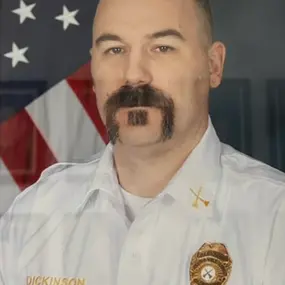
Firefighter / Author / Coach
Dedicated leader with 27+ years of progressively responsible experience in business and emergency services operations. Strong qualifications and experience in budgeting, personnel management, training, resource management, public safety, emergency management, and emergency response. Possess well-developed leadership and analytical skills as evidenced by the ability to continuously improve upon current services. Known for a strong work ethic and the ability to work efficiently and effectively in a fast-paced environment.