Self-Leadership, Fatherhood, and Finding Purpose Beyond the Fire Service | Matt Cooper
What does it really mean to become a leader?
In this episode of Beneath the Helmet, Arjuna George sits down with firefighter, husband, father, and author Matt Cooper for a powerful conversation about self-leadership, purpose, fatherhood, and the work we do long before anyone asks us to lead.
Matt shares his personal journey through sobriety, raising a family, finding purpose beyond achievement, and learning that the strongest leadership begins with mastering yourself. Together, they explore why silence can be one of our greatest teachers, how character is built through everyday choices, and why the most important leadership lessons often happen far from the fireground.
Whether you're a firefighter, first responder, leader, parent, or simply someone striving to live with greater intention, this episode offers practical wisdom and honest reflection that extends well beyond the uniform.
In this episode, you'll learn:
Why self-leadership is the foundation of great leadership
How purpose creates resilience during difficult seasons
The importance of fatherhood, family, and being fully present
Why silence and self-reflection are essential for growth
How to build character before adversity tests it
Continue your learning with the Beneath the Helmet Companion Guide below, where you'll find key takeaways, reflection questions, memorable quotes, practical actions, and additional resources from this conversation.


Beneath the Helmet Companion Guide
Episode 114 | Self-Leadership, Fatherhood, and Finding Purpose Beyond the Fire Service
Featuring Matt Cooper
Executive Summary
What does it truly mean to lead?
For many, leadership begins with a promotion, a new title, or greater responsibility. But in this conversation, firefighter, husband, father, and author Matt Cooper challenges that assumption. He argues that leadership begins long before someone is asked to lead others. It begins with learning to lead yourself.
Drawing from his own experiences with fatherhood, sobriety, service, and personal growth, Matt shares the lessons that transformed his understanding of success and purpose. Together, we explore why character matters more than reputation, why silence is often where our greatest breakthroughs occur, and why the strongest leaders are the ones willing to do the difficult internal work first.
Whether you're a firefighter, first responder, leader, parent, or simply someone striving to become a better version of yourself, this conversation offers practical wisdom that reaches far beyond the fire service.
Why This Conversation Matters
There are some conversations that stay with you long after the microphones are turned off.
This was one of them.
When I first connected with Matt, I knew we would be talking about leadership. What I didn't expect was how much our discussion would centre on the quieter moments that shape who we become—fatherhood, purpose, integrity, and the courage to confront ourselves honestly.
As first responders, we spend our careers preparing for emergencies. We train relentlessly for the unexpected. Yet many of the greatest challenges we face aren't found on the fireground. They happen in our homes, our relationships, and in the conversations we have with ourselves when no one else is listening.
Matt reminds us that leadership isn't something we put on with a uniform. It's something we practise every day through the choices we make, the habits we build, and the example we set for those around us.
I hope this conversation encourages you to slow down, reflect, and invest in becoming the kind of person others trust—not because of your rank, but because of your character.
Five Leadership Lessons
1. Leadership Begins with Yourself
Before you can effectively lead a crew, an organization, or your family, you must first learn to lead yourself. Self-awareness, discipline, humility, and personal responsibility are the foundations upon which lasting leadership is built.
2. Purpose Is Stronger Than Pleasure
Comfort is temporary.
Purpose provides direction.
Matt shares how discovering a life rooted in service gave him a deeper sense of meaning than chasing the next distraction or achievement ever could.
3. Silence Is a Leadership Skill
Many of us spend our lives avoiding silence.
Yet it's often in those quiet moments—away from our phones, distractions, and constant busyness—that we gain the clarity we need to make better decisions and become better leaders.
4. Your Family Deserves the Best Version of You
Leadership doesn't end when the shift does.
The patience, compassion, and presence we bring home may be the greatest measure of our success. Our spouses and children don't need perfection. They need us to be fully present.
5. Character Is Built Long Before It's Tested
Resilience isn't created during difficult moments.
It's revealed by them.
The habits, values, and mindset we develop today become the foundation we rely upon when adversity inevitably arrives.
Memorable Quotes
"A man needs purpose outside of himself."
"The answer you seek is often found in the silence you're avoiding."
"Leadership begins with self-mastery."
"Do good. Feel good."
"Become someone worth following."
Reflection Questions
Take a few minutes to reflect on your own leadership journey.
- Am I investing as much time in developing myself as I am in developing my career?
- What distractions are preventing me from hearing my own thoughts?
- Where am I pursuing comfort instead of purpose?
- What habits am I building today that will support me during tomorrow's challenges?
- How would my family describe the version of me they receive at the end of a long shift?
- What kind of example am I setting for the people who look up to me?
This Week's Leadership Challenge
Choose one action this week that strengthens your leadership from the inside out.
- Spend 30 uninterrupted minutes in complete silence.
- Replace 20 minutes of social media with reading or reflection.
- Write a letter or message of appreciation to someone who has influenced your life.
- Perform one anonymous act of kindness.
- Put your phone away for an evening and be fully present with your family.
- Journal about the leader—and person—you want to become over the next five years.
Small, consistent actions often create the greatest long-term change.
Resources Mentioned
Book
In Case I Don't Come Home: Letters to My Son by Matt Cooper
Connect with Matt
Visit Matt's website and follow his work for more insights on fatherhood, leadership, and living with purpose.
About Matt Cooper
Matt Cooper is a firefighter, husband, father, and author whose work focuses on self-leadership, fatherhood, resilience, and character. Through his writing and speaking, he encourages others to pursue lives grounded in purpose, integrity, and service to others.
About the Host
Arjuna George is a retired Fire Chief, Author, Certified Executive Coach, and founder of Silver Arrow Coaching & Consulting. Through Beneath the Helmet, he explores the human side of leadership, helping first responders and high-performing professionals build resilience, prevent burnout, and lead healthier, more meaningful lives.
Continue the Conversation
If this episode resonated with you, please consider sharing it with a colleague, friend, or family member. Conversations like these have the power to change perspectives, strengthen relationships, and remind us that leadership is ultimately about the person behind the position.
Subscribe to Beneath the Helmet for more conversations exploring leadership, firefighter wellness, resilience, and what it truly means to live well—both on and off the job.
Until Next Time...
Take care of your crew. Take care of your family. But don't forget to take care of the person beneath the helmet.
Stay well,
Arjuna George
Connect with the Host:
Arjuna George – Fire Chief (ret) Owner of Silver Arrow Coaching and Consulting, Beneath the Helmet Show, and Burnt Around the Edges author.
www.silverarrowco.com
www.burntaroundtheedges.com
www.beneaththehelmet.ca
Mathew Cooper Ep 114
[00:00:00]
Welcome and Intro
Arjuna: All right, everyone. Welcome back. This is Beneath the Helmet, season four. This is episode 114. Today I'm your host, Arjuna George, former fire chief turned podcaster, author and coach to the fire service.
Today I'm joined with a former PE teacher, a USA weightlifting coach, a brand new author, firefighter, father of two, which is extremely important in this episode, as well as a husband. Uh, welcome to the show Matthew Cooper.
It's time to ignite your soul and unlock your full potential. Join us on Beneath the Helmet, the podcast exploring firefighters' health and wellness. Hosted by retired fire chief Arjuna George, our podcast is the perfect place to start your journey towards becoming the best version of yourself. So come on, let's join the conversation and find out what sets your [00:01:00] soul on fire.
Arjuna: welcome to the show Matthew Cooper.
Matt: Thanks for having me, chief.
Arjuna: You betcha.
Meet Matthew Cooper
Arjuna: So tell our listeners a little bit about who Matt Cooper is and, uh, kind of what brought you to, uh, where you are in your life today. Just a little snapshot.
Matt: Yeah, so currently I'm a firefighter at Windsor-Severance Fire Rescue in northern Colorado. I am a member of our dive rescue team, uh, peer support team.
I'm the lead of our peer, peer fitness program, and I also currently serve as our union president. But prior to that, in a previous life, I was a high school PE teacher for about nine years, as well as a USA weightlifting, uh, national coach. Um, I had a... It was kind of my side gig from my teaching job. It was...
But where my true passion was, was, uh, coaching my athletes to compete in the sport of Olympic weightlifting and, uh, got to travel around [00:02:00] the country, uh, doing that. Worked with athletes from the more casual, uh, practitioner who just kinda wanted a nice athletic outlet, to the very serious competitors who were vying for spots on international teams to, uh, national medalists, things like that.
So that was a super, um, fulfilling endeavor of my life.
From Teaching to Fire Service
Matt: Um, as time went on though, I really felt like something was missing. Um, if I'm being completely open and honest, uh, I chose to be a PE teacher when I was 20 years old because I wanted to do something that'd be easy, laid back, and fun. Um, and when I say that, it's not to discredit the, uh, profession of physilog- physical education.
I think it's extremely valuable when it is done correctly. [00:03:00] Um, and I feel I did do that over my nine years. Um, I'm proud of how I conducted myself in that position, but it just gets t- got to a point where I didn't feel tested. I didn't feel skilled. Um, I lived in weight rooms. You know, I, I taught weights classes at the high school, then I would leave the high school and go coach my weightlifting team in the evening.
Sometimes even before school, I would have a one-on-one training client, and I would coach them. So I was just in weight rooms, and the only thing I knew how to do was effectively pick up a barbell. That was just... That was my only skill set, and it started to bother me. And I f- as I said earlier, I felt untested.
Like I had nothing, no... I didn't feel like any decisions I made had any real impact on anything of substance. There was nothing truly [00:04:00] serious at stake. Um, and I wanted that. Like I, I wanted, I wanted some pressure. I wanted to find myself in harsh situations and see how I responded. I wanted to learn new skills.
I wanted to be around other men and women that were You know, that would push me, that would teach me things. Um, I wanted to be uncomfortable a little bit 'cause I was very comfortable. Um, there was-- it was, you know, like I said, not much at stake. And that's what led me to the fire service. Um, I come from a family of first responders.
My dad is a retired police officer. My twin brother is a, uh, ER nurse and-- or cardiac ICU nurse now, I should say. Um, and my older half-brother has been a firefighter here in Colorado for, [00:05:00] yeah, I think coming up on 20 years. He's coming close to retirement here in the next few. So whenever I'd be at family functions and listening to those guys talk about just, you know, stories from their jobs, um, even the really ugly, dark parts, I found, I found myself jealous because I wanted to test myself that way.
I wanted to face something like that and be able to respond with the same calm and equanimity that they did, and I craved that, and that's what led me to the fire service.
Arjuna:
Why He Wrote the Book
Arjuna: in today's episode, we're gonna dive into your new book and kind of the, the teachings that you kind of endeavored and, and kind of went through, challenged by getting to the point of writing this book. And the book, uh, Letters to My Son, is kinda how we're gonna frame this conversation today.
So I'd love to hear how this book transitioned from [00:06:00] what it was to a book and why you did that.
Matt: Well, where to start?
Arjuna: Mm-hmm.
Matt: Well, It started as I, I had heard about an LODD, um, where a firefighter had left a handwritten note for his son or for his children. Um, I can't remember all the details of it or the name or anything like that, but I remember just that, that concept stuck out to me when I heard that, and it got me thinking, "I should do that.
I'm gonna sit down and I'm gonna write my son a note." And at the time, we just had the one child, our son, and I began writing, and a few pages into that, my hand's cramping. I'm just like, "This is, this is miserable. I still-- I have so much I need to say. Okay, I'm gonna, I'm gonna type it." So I got on the computer, and I started typing, and then I felt unorganized.
I had, I had so much I wanted to say to him and 'cause I [00:07:00] took the task very seriously. If I were to die tomorrow, you know, what would I want my son to know? And if you are a father, and you ask yourself that question, and you take that as a call to action and take it very seriously, it can, it can open up quite the flood of emotion and thought, and that's what it did for me.
And as I'm typing, I'm like, "You know what? I'm, I'm all over the place. I need to create an outline." And then I created an outline, and it became very clear that I was gonna have something that would be like, wow, I'm gonna have something that's about the size of a book here. Um, after... As time went on, talked to my wife, you know, and the discussions were, "Well, is this something we keep private just for our family?"
You know, or could maybe other people benefit from this? And ultimately, we settled on the latter, um, and looked [00:08:00] into, you know, different publishing companies and, uh, found one here not far from where I live and got the ball rolling that way. Um, you know, it's, uh-
I think what's gonna make or break this project is the fact that I think my heart's in it for the right reasons. This is not a... I, you know, I have no illusions of this becoming a New York Times bestseller or try- you know, becoming a millionaire from this. This, that is not the purpose of this. This is
number one, you know, I'm trying to keep it light and keep it like a fun hobby, right? Not stressing over book sales and algorithms and, you know, doing all that and trying to do that. But, you know, most importantly, this is in honor of my, me and my son's relationship. It is to honor that. And hopefully, it [00:09:00] inspires other men who may be struggling with approaching fatherhood with the same level of earnestness and fidelity
Arjuna: I recall in the book there's, there's quite a bit about sobriety and that whole journey, and I think we should kinda touch on that.
Matt: Yeah.
Arjuna: But I think it was pretty powerful, the, the birthday, um- Mm ... of your son, the first birthday. Do you mind sharing that- Okay ... with the audience of how that kind of... 'Cause I think, to me, that sounds like the tipping point of a lot of things in your life, that, that day or those days leading up to that day.
Mm. I could be wrong, but that's- Yeah ... that's my sense was it was the tipping point.
Matt: No, it was a, uh, it was a big moment.
Alcohol Spiral and Wakeup
Matt: Um, yeah, so we'll back this up to 2020, COVID. Um, and I, I describe this in the book as well. Um, I was, um, when I was younger, I got very, uh, mixed up in the party lifestyle, late teens, early 20s, just, um- Pretty shameful [00:10:00] level of debauchery was enveloped my life, and that was just how I lived.
Um, kinda got straightened up through my mid-20s, but my drinking, my drinking then became, you know, a rare social indulgence, but the intensity stayed there. It was like if I drank, I was, I was really gonna drink. Um, and then as time went on, frequency increased. Um, wouldn't call myself an alcoholic yet. And then 2020 happened, and, you know, I was still a high school PE teacher and a weightlifting coach, and what were the f- first two institutions that got shut down when COVID happened was schools and gyms.
And s- for someone who already had a propensity to drink pretty heavily, to all of a sudden having all sense of purpose and productivity and all healthy habits and routines just snatched right [00:11:00] from out, from under him, it was, uh, it was quite jarring. Um, and I just... You know, and then we were told, you know, "It's just gonna be, like, two weeks, guys.
You know, flatten the curve. We'll be back to normal." Well, as we all remember, that is not how that went. And so I was like, "You know what? I'm gonna treat this like a little vacation. You know, I'm just gonna... I'm gonna day drink. I'm gonna have some cocktails. I'm gonna sit in the hammock and just chill." Well, that went on for n- a long time.
Um, I became very addicted to alcohol. Uh, I could not relax without it. Um, I began And I apologize to everyone listening. I, uh, might get a little emotional at this part, so, uh- No apologize. Yeah. I was, uh, I was lying to my wife. Um, she was very concerned. I'd brush her off, even, even get mean sometimes, like she was trying to control me [00:12:00] when she was just concerned about watching her husband drink himself to death.
And I began hiding it from her, and I still to this day can- can't bring myself to admit to her and my family how many times I was secretly drunk when they didn't know. Um, and then other times I would. Sometimes I had no shame. I didn't care about hiding it. Well, my son was born. Um, drinking continued for a little while, and I kept hoping things like joining the fire service, um, or the birth of my son.
I kept, like, hoping these externals would influence me to quit. I was like, "I'm sure, like, you know, hey, once this happens, I'll stop, and once this happens, I'll stop." [00:13:00] Um, well, it didn't. Um, and then came my son's first birthday. It was a nice day. Um, it's just one of those days where I had a, had my water bottle with a secret cocktail in it.
Um, no one was the wiser. You know, I kept it under control. I wasn't, you know, getting sloppy or anything, but I had a good, just steady drunk little buzz all day. Day went on without incident. Um, uh, stopped drinking late afternoon, went to bed, went on sh- got ready to go on shift the next morning, but I woke up with this Um, unnamed source of dread, just almost panic attack level, just, just horrible feeling.
Um, it's an experience I'd had once previous in my life, which I describe in the book, and it reappeared again. [00:14:00] And however, it was-- The first time I went through something like that, I was, I had no answers. I was completely clueless of what to do. Um, it was one of those emot- mental health crisises that, crises that, um, just had me completely searching for answers the first time.
But this time, I knew exactly what I needed to do. I woke up and I was just like: "Oh, well, I'm done drinking." And I, to this day, don't know how I came to such a concrete resolution that morning, but I just knew. I was, you know, just that when you, when you truly, like, understand something, sometimes you can't, you can't really describe why or how, but you-- It's just this intrinsic, ineffable thing that I just knew.[00:15:00]
And I have not had a sip of alcohol in three and a half years, and it has not even once been hard. I have not missed it. Um, just something was awoken in me that morning. I think it might be tied closely to the shame of being drunk at my child's first birthday party, and that was all it took. And like I said, sober ever since.
Arjuna: Such a powerful story. Such a powerful story. Thank you for sharing that. Appreciate that.
Matt: Mm-hmm.
Sobriety and Clarity
Arjuna: So how did Quitting alcohol, and, uh, you also talked about social media as well as another kind of toxic input that you were getting. What did you see in your life that changed f- for the better, I'm assuming, uh, from stopping those two huge things that, you know, honestly everyone listening is probably either being affected by it or they're dealing with them [00:16:00] themselves?
Matt: Yeah, I, um
I am still, and probably always will be, trying to understand the hole I was trying to fill with those inputs, with the alcohol and the excessive social media, You know, but the, the clarity and volume of my, my own thoughts, uh, became very apparent to me. And I will admit, at first it was overwhelming. It made me very anxious. It became very hard... Um, it became very hard to just sit with myself, and I was so used to scrolling or drinking, um, when I had downtime, that now just sober, sitting here and just thinking had me, like, wound up and I'm-- and then, but [00:17:00] with that came clarity, just the clarity to recognize what a problem that was.
Like, man, I can't even just sit here and exist as a human being without this stuff? And actually, it's kinda counterintuitive, but actually how hard that was, um, strengthened my resolve to keep those things out of my life. It actually didn't tempt me to bring them back in because I realized what a problem that was, that like, wow, my-- the found- the foundation, the foundational element of being a human being is to just be able to simply s- exist and think, and I can't do that without having a damn near panic attack, and so I need to have all these inputs through media and drinking this poison to numb my mind so I can chill out.
It's, it's so bizarre, but actually how hard that was made it, made it easier to keep those things out because I-- it [00:18:00] was shined a light on the problem. And I think that's, that right there is kind of the zenith of this book. Um, I had to write a book because I felt like my brain was going to explode because I just, the, the thoughts started coming in and instead of scrolling reel after reel after reel, and everyone listening knows what I'm talking about.
You just sit there and just like five seconds, three seconds, two, you know, just one after the other after the other. I replaced that time with reading philosophy and journaling and really exploring myself more and trying to get, get to, this sounds so corny, but get to know myself so I wasn't so anxious being alone.
Arjuna: I think there's, y- you talk about the value of solitude, and there's a, a quote in the book that basically the answer you seek is in the silence that you're avoiding.
Matt: Mm-hmm.
Why We Avoid Silence
Arjuna: Why do you think so many [00:19:00] people avoid silence? Like, what is it that, that is holding people back there?
Matt: I think distraction is very, very comfortable, and I'm still guilty of it.
I mean, and we, uh, you know, we all are. I mean, it's... And, you know, I think maybe in some ways it's, it's healthy to, like, watch a movie and distract yourself. That's completely reasonable. Um, but I think with the popularity of social media and the d- you know, and there's so many different options now. You got your, your Facebook and Instagram and TikTok, and within each of those you got your reels and you got your normal posts and, um, YouTube has become its own, uh, thing.
Um, I know, you know, I know many guys that are addicted to Facebook Marketplace, [00:20:00] just mindlessly going through just stuff to buy, you know? And- Yeah ... s- some people it's the, you know, more sexualized content. Um, and so this stuff is so prevalent and it's so easy, and it's s- like the moment you start feeling anxious or worried or wound up about anything, you have the cure in your pocket.
You're like, "Oh, f- few minutes of this and I am numb." And that's, that's easy, and that, that is very comforting. That can be very comfortable. But it is completely drowning our potential. And the reasons for it, I, you know, I'm ... Who knows what it is. Um, everyone's got, everyone's got their demons. Everyone's got their personal flaws and darkness, um, what Carl Jung used to call their shadows, [00:21:00] um, that they need to face.
Um, and it's a, it's a s- it's a scary thing and it takes some courage. Um, and I, I think that- that's why people avoid it so much. Um, I can't tell you, you know, how many people I've heard in my life, and I'm, I'm sure you've heard from various people too, just like say like, "I just, I just can't sit still. Like always, I always have to be doing something," or you know, I
Like the thought of just sitting alone in my thoughts makes my skin crawl, you know? Um- And I think a lot of times i- in some weird ways, these things are propagated as virtues, as if like I was gonna be doing something. They're-- It's, like I said, propagated as the virtue of work ethic and productivity. [00:22:00] Um, but, you know, you're hiding behind something, you know?
Hiding Behind Busyness
Matt: You know, I talk in the book about the thing that's-- these things that men typically hide behind. You know, you got your, the more obvious things. You got the substance abuse and the, the pornography and gambling and debauchery and, you know, all, all those kinds of like real, uh, noticeable vices. But I think the more common one, at least around a lot of men that I know, is hiding behind useless work.
And their homes are no longer these places of peace and rejuvenation and family and love and calm. It-- They become this never-ending construction site. They look around their yard and their house and their garage, and they just find these, [00:23:00] quote-unquote, problems that they have to address right away. These things must be done because I'm a man, and that's what men do.
We, we stay busy, and we've been told since we were young, there's that old quote, "Idle hands are the devil's playground." So we can never be idle. We always have to be busy. And once again, it's that, that hiding behind that useless work, and that's displayed as the virtue of work ethic, but it's not. You're, you're hiding behind something.
There's-- You do not need to repaint all the baseboards in the house right now. You know? You do not need to go rebuild the carburetor in that old Jeep that's been sitting in your garage for 10 years. You know? Like it just-- It's just one thing after another where I feel like [00:24:00] men, and especially their families, are suffering from this because they don't have a truly present dad.
They see a dad who's... And he might teach them things to, you know, be good with their hands and, um, good with tools and do all these things But kids need more than that. Our wives need more than that. Um
We need, kids need their dads to like, "Hey, would you just come hang out with me? Let's just, uh..." You know, some of the most times I feel the most productive are when I'm just laying around on the carpet with my kid goofing around with Hot Wheels, you know? 'Cause I know that right there is the most important work.
I'm not going to look back on this time in my life in, you know, 20 years and think back to all the little things that I need to get done around [00:25:00] here. I'll get them done eventually. But right now, if... Like right now, if I, I-- Right, I'm staring out my backyard, I have this back step that's falling apart, and I, I, I need to, I need to fix it.
And one of these days, I'm going to tackle that project, and I'll probably include my son, who's four years old, and it's probably gonna take five times longer than it should because I'm trying to teach him things. But I'll turn it into a meaningful experience with us. But I'm not gonna prioritize that over over the downtime that actually are the times that we'll look back on, and those are gonna be the best times.
And I'm sorry, I've, I, I feel like I'm kinda going off on a rant probably of, from your original question. Oh,
Arjuna: I, I think it's all beautiful stuff you're sharing. I think it's stuff that- Yeah ... we all need to hear a- and be reminded of, right?
Matt: Mm-hmm. And
Arjuna: I think being in silence is, is a challenge for a lot of people, like we've talked about, and I know it was a challenge for myself to kinda s- not always be doing, but actually time to think.
Self Interrogation as Dad
Arjuna: [00:26:00] You talk about self-interrogation as a way to self-reflect, introspection, but you have a bit of a twist on that.
Matt: Yeah. Well-
There's what I call what you just said, self-interrogation, and then there's like passive introspection. And I think a lot of times we think about introspection and then we say, "Oh, I feel angry, so therefore I'm going to act angry because I, I, I looked inward and my feelings are justified. This is what I'm feeling, and so I feel justified or maybe even empowered to lash out in anger because I'm angry."
Whereas self-interrogation is going to be, "Oh, I'm angry. Why? Do I have a right to be angry? Am I actually the bad guy in this situation? What are all the catalytic events that led to this?" [00:27:00] And, God, 99 out of 100 times when I do that, I realize, yeah, I don't... I probably don't need to be angry right now. Maybe actually my anger is masking something else.
Like for me, for example, when I get embarrassed, I mask that with anger. So I'll start getting really mad, but when I back it up, I'll just simply think to myself, "Okay, you, you just got embarrassed because, you know, I had an argument with my wife and she made a really good point and it made me feel stupid."
Or, um, I made a mistake at work and it, you know, on the training ground and I got embarrassed by it and I start getting mad and I start thinking about everyone else's fault. You know, like, well, if this guy had done this and this and this. Like, no, I got embarrassed because I made a mistake and, um, that's my problem, no one else's.[00:28:00]
This has been super helpful with my four-year-old. Um, for anyone who's gone through this phase of being a parent, he's starting to push. He's starting to test me. Um, and It's led to more conflict between him and I, more, um, you know, more discipline from me than we're used to, and that's been hard for both of us to get used to.
And you... As a dad, it starts to get to you. You're like, "Man, I just feel like it's just one negative interaction after another." So what I need to do is find ways to mitigate this. There are certain things that require a firmer hand from me, and I need to be up to the task, and I can't cower from those things just to keep things comfortable and nice around here.
I need to address those things. But what are the things where I am getting [00:29:00] angry with him where I don't need to? And I've-- The kind of prompt I've given myself is, "Okay, is this misbehavior that needs to be corrected or am I just annoyed?" Four-year-olds is... I love my son to death. Obviously, I wrote a book for him, but four-year-olds can be annoying.
They ask a million questions. There's always noise. Um, it, it just, it just is, and that's okay. But that's my problem, not his. I cannot be angry at a four-year-old for acting like a four-year-old. That's... He is acting in accordance with his nature. That's like me being angry at the seasons changing or the sun coming up.
It is completely natural for him to be acting this way. And so I can't tell you how many times by interrogating myself when I start feeling angry at my beautiful four-year-old boy for [00:30:00] simply doing things that four-year-olds are supposed to do, by having that prompt and taking a step back and thinking like, "Yeah, he's not doing anything that deserves any sort of indignation or anger from me," not even a redirection, because I'm simply letting him...
I, I'm simply annoyed because he's, he's being loud or doing, you know, doing whatever, and that's my problem, not his. And so I think we can do a better job and be a little more aggressive with our introspection, and that's that self-interrogation where we don't just simply accept, "Oh, I feel this, so yeah, that, that, that must be justified."
We never actually look at and think, "What, what's causing this? And am I even... Am I in the right here?" and it, it, you know, and it all goes back to that, that, that [00:31:00] seeking solitude. You'll never, you'll never come to these answers if you never give yourself time to sit and think about these things. Like this whole misbehavior versus being annoyed thing, that, that came from a morning of journaling for two hours in the morning, just thinking through thoughts, because my relationship with my son is important to me.
And so I woke up in the silence, in the dark, and just, and just thought about it, and just gave myself the room to think. I did no inputs. I wasn't listening to a podcast. Um, you know, n- nothing else going on around me except my own brain and me dumping thoughts out onto paper. And I came up with something that has vastly improved the relationship with my son, because I came to a pretty serious relo- uh, revelation about myself.
And this reminds me of a... One of my favorite [00:32:00] quotes is from a guy named Blaise Pascal, and he said this in 1654 And the quote goes... "All of humanity's problems stem from man's inability to sit quietly in a room alone." And th- that was in 1654, you know? Like, what?
Think about-
Arjuna: No social media, no distractions.
Matt: Yeah.
Arjuna: Yeah, yeah.
Matt: He even realized then- Mm-hmm ... the addiction to distraction. He saw this coming. And think about how much worse that problem has gotten, how much more pervasive our inability to sit quietly in a room alone has gotten, and how much untapped potential is being left because we are not, um, we're not accessing the full capacity of our brains or our emotions.
Breaking the Distraction Loop
Matt: we're just [00:33:00] letting our minds and souls go stagnant, um, and just being rotted by useless content and substance abuse, and it's, you know, You, you quit this stuff and you kinda take a step back. You know, you quit the, the drinking and the partying and the, uh, the social media, and you take a thousands look view of it and kinda see what's happening.
And it's something out of like a sci-fi movie sometimes where people can't even watch a movie and let that be their sole focus. They have to have their phone with them too. Um, and so there's the inputs from the TV, then there's the inputs right here, and there's just always just two different sources of media coming in at [00:34:00] all times 'cause heaven forbid at any moment an authentic or original thought creeps into your head, and we cannot be burdened with that kind of thing, so we just snuff it out with all this crap.
And it's, it's wild to watch. Um, it's become... Yeah, uh, and I think everyone listening knows what I'm talking about. And, and you know, and I also, I don't wanna sit here and prop myself up like I'm some, um, guru and I'm perfect in this. Like, yeah, I, I've been guilty of that. Um, but I think that awareness and understanding what's happening...
Like, when I found my- when I find myself now doing that, where I'll pull my phone out and I have that going on, I, I've trained myself to kind of quickly, quickly catch myself and be like, "Hey, are you watching this or are you checking emails? Are you doing this?" You know, or, um, you know, pick one. [00:35:00] You know, it's, like, such a simple, simple thing.
Or, hey, like, everything you're ingesting right now is garbage. Get up and go read a book or go, go, go for a walk, go play with your kids. Or if you're at the station, go walk around the bay or go walk on the treadmill, you know, or, you know, or go tie knots, you know? Like, uh-
Arjuna: Totally.
Matt: Yeah, yeah. Do s- do something else.
But yeah, it's-
Host Workaholic Reflection
Arjuna: Well, it resonates with me, but mine's a little bit, my story's a little bit different of, like, I was a workaholic and that was a mindset that I had, that I had to work day and night 24/7 it felt like. And I, when I went on my l- leave and left the fire service, I realized that having some downtime and just, just sitting on the couch and watching a movie was okay.
So a little bit different than, than you're describing is where you just veg out and that's why you waste [00:36:00] your time. For me, that was a way to, okay, I'm allowing myself to not work. I'm allowing myself not to continually learn every second of the moment. I don't have to learn every day. Mm-hmm. I don't have to learn every second.
I wanna be better every day, but it doesn't have to be, take up my whole life. 'Cause it was documentaries, it was reading, it was courses, it was everything to do with improving myself.
Dopamine Trap Media
Arjuna: But the whole time I was doing that, I was losing a lot of myself in that, right?
Matt: Mm-hmm. Yeah. Yeah, that, uh, that sounds very familiar.
Arjuna: Mm-hmm.
Matt: Um, yeah, and I hope, you know, as I, I talk about these things, and I try to get this point across in the book, like, these things like scrolling social media, I mean, I think there are some things, in my personal opinion, that are very, quite frankly, evil and unhealthy about it. Um, but I think [00:37:00] also there's some, there's some harmlessness to it, and there's nothing wrong with vegging out every once in a while.
And like you just said, yes, there's nothing wrong with watching a movie. Like, for example, I just promised my four-year-old on the phone, "Hey, when I'm done with my podcast, you come home, we're gonna sit down, we're gonna watch Madagascar." It's his favorite. Awesome. So we're gonna watch Madagascar. Um, I just think the problem is with the accessibility to these things.
So instead of sitting down and watching a two-hour movie where you're just invested in that movie and lost in that story, when we are just... It's just reel after reel after reel after reel, and then we get on this side tangent. And then while we're doing that, there's the news in the background, and it's telling you about every awful thing happening to the human race currently, and then you're s- sitting here with just mind-numbing, like, crap, and you're just getting brainwashed by [00:38:00] companies and influencers, and it's just...
That, that's, that's where we're, we're... What we're talking about here.
Permission to Enjoy
Matt: And, you know, in a similar vein to what you were just talking about, something I've had to coach myself out of was when I- trying to, like you said, give myself permission to chill like that. Um, 'cause I found myself any time- I found myself craving something or enjoying something, I got in this mindset of like, whoa, that's a-- wow, you, you want that too much.
That's a, that's a vice and that need-- you need to get rid of that. You know? And I... So I started not giving myself any grace to enjoy th- little things like, you know, because, well, because I was craving to let loose on my diet a little bit and eat some gummy bears and, you know, watch Madagascar. You know?
Like giving myself like it's okay [00:39:00] to enjoy things. It's okay to, like you said, th- that really s- spoke a lot to me, to, to not improve or learn. And so I've actually given myself a rule. I'm, I'm always reading a book. There is always a book that I am working through. I never have a book that I'm not currently reading.
But I've told myself to alternate. I'll read a book that's more serious content, philosophical, um, meant to improve or make me, make me question and those things are typically a lot more work. But then after that I'm like, "Okay, I'm gonna read something fun." Right now I'm, uh, currently reading a book called, it's a historical fiction called Gates of Fire.
It's about the Battle of Thermopylae, if anyone's familiar with that movie, 300, that battle. Um, so it's a historical fiction and that's, that's my, you know, fun read because it's not, [00:40:00] it's not gonna... It's not, it's not forcing me to look inward and c- you know, get me uncomfortable and make me question things like philosophy does, and so that's a bit of a reprieve for me.
I'm reading a story. Um, so yeah, you're, uh, not to hijack your point, but that, that, that spoke a lot to me.
Arjuna: Well, your, your whole story has spoke a lot to me as well, 'cause I can r- relate to a lot of aspects of your journey and, and what you're seeing in people, and I c- I can either see it in myself or I can see it in people I'm surrounded with, right?
So it's helpful for me to listen to this as well. I'm curious, was there any aha moments sitting in silence for you? Like, is there something that really stood out for you as like, "Wow, this is changing my life"?
Soft Morning Silence
Matt: You know, the first, um, the first letter in the book is titled "From the Soft Morning Light." And
What that is about [00:41:00] is the years I've spent waking up early, sitting on the couch under an incandescent bulb, fireplace going in front of me. And I did this anytime I was home, I would do this. Wake up at like 5:00, sometimes 4:30 in the morning, and wake up and read and reflect. 'Cause there's something, there's something that's so...
In the morning that's... There's so much clarity. You haven't been-- Your mind hasn't been sodden with the events of the day yet. There's nothing calling for your attention. 'Cause at 4:30 in the morning, there's nothing that needs m- I need to do at that moment besides sit and think. And so that whole letter from the soft morning light, I go through some things that have been the most impactful on me and like kind of epiphanies or concepts that I [00:42:00] came to understand.
You know, first one that we, you know, we've kind of talked about a lot here is creating space and time to just think and be with yourself. You know, in an, uh, in a career like the fire service or just first responders in general, this kind of stuff is-- makes us uncomfortable. It's too mushy, it's too emotional.
Beauty in Simplicity
Matt: Um, but this concept of finding beauty in simplicity of Being able to, li- like, listen to piano music while laying under a tree in your yard, okay? These... Things like that. We don't, we don't do stuff like that, um, like, you know, in the fire service. It's... We are taught to constantly push and conquer and achieve and, and work, and we're always doing things, [00:43:00] and we never take time, especially, like, here in northern Colorado.
For those of you who aren't familiar, the Rocky Mountains are 20 minutes, you know, to the west of me, and we have, um, Rocky Mountain National Park right there. The mountains are gorgeous, um, but we get so... We're so jaded by them. We don't talk about them. We don't notice them. They're just kind of there, you know.
But man, every once in a while, I'll still stop. I'll pull over sometimes if I have time and just look at them 'cause they're... It's... We- we're surrounded by so much beauty in Colorado. Um, and it's, and it's everywhere. It, you know, it's... It can be not just physical beauty or nature, but the music we listen to.
You know, I, I, I have a pretty eclectic music taste. Um, I don't have one type I listen to, but the most... The music I listen to the most [00:44:00] are just calm instrumentals. Um, uh, piano, um, you know, like finger style guitar. Um, sometimes just I will literally walk around the station listening to ocean sounds. Um, and just being able to find, uh, a- allow yourself and drop the bravado, and allow yourself to openly enjoy those kinds of things.
Um, in the letter from the soft morning light, and I talk about this beauty and simplicity section, I, I open that up by talking about this experience I had one day just laying in my hammock outside, and just how long I spent in my hammock staring at this one leaf and the light shining through it, and it was almost like an X-ray into that leaf, and I remember just, like...
And I zoned out [00:45:00] in this leaf for God knows how long, just mind thinking about it, and I got... Literally, like, started visualizing all the microscopic stuff that was going on in there. And
I, I started to realize just how, how perfect those kind of moments are, and we, we never allow ourselves to have them. We always, always are doing and pushing or ingesting, you know, whether it's content or substances or, you know, whatever it may be. But man, there, there is so, so much potential unlocked and so much peace to be gained by getting lost in these kind of meditative states, just looking at things that you find beautiful, whether it's literature or art or music or film or, um Yeah, nature.
I mean, these things are all around us and they're [00:46:00] free. Animals, dogs, cats. Animal- yeah, dogs, animals. Just, yeah, there's just these simple beautiful pleasures in life that we just kind of ignore because they're just so common. And I think we've become so Our brains have become so saturated with dopamine and thrill-seeking and newness and novelty that anyone who finds extreme pleasure in those things is almost looked at with pity because they're like, "Oh, that person must lack options," or how to be so enthralled in something so feeble as staring at mountains or looking at a leaf.
Like, what are you doing? Like, you know, that's just... I don't think people can quite understand that because we've been so trained to do the latter, or to do the opposite, I should say.
Arjuna: Go fix those stairs. [00:47:00] Go fix those stairs. Go fix those stairs.
Matt: Yeah, ex- exactly. Yeah. These stairs right out here in front of me.
But, um, and it's... So that's, that's a big one that- Cool ... a big epiphany I've had.
Do Good Feel Good
Matt: Um, another big one is, uh- I title in the book Do Good, Feel Good And essentially pose the question, when you're s- we all get in these kind of funks sometimes where you're just kind of feeling... Es- especially like for firefighters, right?
We get off shift sometimes and just feel kinda just a subtle melancholy or just kind of down or, you know, whatever it may be. Or maybe you're not a firefighter or a first responder and you're listening to this, and we just get in these moods sometimes. I always ask myself, "Well, what have I done lately to feel good about?"
And sometimes I can identify things, but sometimes, and it kinda can pull me out of that, but [00:48:00] sometimes I'm like, "You know what? I need to get out in the world and I need to do good. I need to treat... go out and treat someone well. I need to go talk to that stranger who's clearly craving a sense of companionship and talk to them a while.
I'm gonna compliment someone." Um, you know, in the book I talk about a story when I got off shift one day and I went for a walk, and on this walk there was this old man trying to get his trash can from the street up to his garage. You know, he had a cane and everything, so I helped him. And it just... You know, you get talking to, you know, especially the elderly who can be lonely, and they clearly just need someone to talk to.
That was this moment, and so I had a, I had a couple options. I'm like, well, I can either just kind of dismiss and be like, "All right, dude, I gotta go. I gotta go get to, you know, I gotta go get back to my couch feeling like shit," you know? 'Cause I got, I got stuff to do. Or I stood there and talked to him for a while, [00:49:00] and I felt so...
That it made me feel so good to do that selfless thing, to like, yeah, there was, there's stuff I could'a gone and done and I could'a gone and been more productive and fix the stairs and, uh, do all these things. But I felt so good that I Took that, man, me and that dude probably sat there and talked for like 20 minutes, and he just regaled me with every story you could think of.
And I like to think that, man, I, I ho- I hope I made that guy's day. And then, you know, shortly after that interaction, I went to the grocery store, and there's this one... At the grocery store by my house, there's this, uh, mentally handicapped man who's always bagging the groceries. And on this particular day, um, because I've had this realization of how much better I feel when I s- do good, when I'm kind to people, when I make people feel good, I could have gotten out of that store a lot [00:50:00] quicker going to the self-checkout, but I went to the actual cashier, um, because I wanted to go interact with this, this man who's typically treated with impatience.
You know, he's, uh, he could be a bit chatty. Um, and but I s- purposely sought him out because I wanted to tell him what a great job he was doing. And man, you should have seen this dude light up. Man, he, he started telling me all the strategies for packing groceries so the bags don't rip, and, you know, how busy it can get on the, on the holidays, and, you know, how much pride he took in, like, being able to keep up with all the busyness of th- of those, of those times.
And it was once again just a moment where it made me feel so good to make him feel good, to get out and just be kind to people. Um, compliment people for no reason. [00:51:00] Um, you know, do something spontaneous and romantic for your wife. Uh, surprise your kids with a trip to their favorite park, or my son, I'll buy him a, randomly buy him a new Lego set and be like, "Hey, dude, let's go lay on the carpet and build Legos all afternoon."
You know, just these little surprises, just these little deposits of goodness. And it, it brings me to a, a quote from Leo Tolstoy, um, where it's very simple: "In order to live in goodness, try doing it." And that's a, I think, such a powerful and simple philosophy. And that I've... And I think that's right there the power of philosophy is this stuff actually isn't that complicated.
The, the true tenets of philosophy, um, and this [00:52:00] level of introspection is actually addressing what I feel should be just the foundation of being a human being. But we're, we're missing that.
Build the Foundation
Matt: One of my favorite visual models of any concept from nutrition to fitness to leadership, um, and now we can... Let's pretend there's a h- pyramid of being a human being.
I love that model because it clearly outlines priorities and what should come before what, and I feel like in so many facets of life, we're trying to skip the foundational things and get to the peak of the pyramid. So, like, f- let's look at fitness, for example. The peak of the pyramid, the tiny little sliver that comes after all the other foundational elements is supplements, and that is probably the number [00:53:00] one question I get about fitness from people is asking me what supplements to take.
I'm like, "You are skipping so many things here." Um, I talk... I have a whole letter about leadership in the book. You know, during the foundation of that is self-mastery and self-leadership, but we're jumping all the way up here to talking about tactics and, um, leadership tricks of the trade and, you know, all these things, but we're skipping that important work of self-mastery.
And I think just when it comes to being a person, you know, wh- where philosophy addresses that foundation of understanding ourselves, um, controlling our urges, um, controlling our emotions, um, and just being... And it's, and it sounds so... It's so revolutionary, but it's so simple to [00:54:00] being kind to people, like intentionally being kind to people, not just, like, being, you know, being polite and not being mean, but literally, like, making the decision, "Man, that person looks like they're having a hard time.
I am gonna go and do... I'm gonna go and try and do something kind for them," whatever that might be. Um, and I just, I think we miss a lot of this. And, you know, we talk about that being the foundation, and we talk... Let's talk about the- The heaviness of this job, of any fir- job as a first responder. I feel like sometimes when it comes to firefighter health and wellness, we are too reactionary.
Where, whereas like, you know, counseling and, you know, EMDR, You know, all, all these different, uh, techniques, uh, they're all great. I use, um, I go see [00:55:00] a counselor, you know, semi-regularly, you know, once or twice, uh, or once every other month, something like that. Um, and I think that stuff's all great and very important.
However I think we need to get back to that foundation a little bit and be a little more proactive because if you have such a weak foundation As a human being, an emotional thinking human being, where you have not done the work to strengthen those aspects of yourself, and then all of a sudden you run that call, the one that just wrecks you, the one that gets in your head, the one that breaks your heart, the one that is gonna live rent-free with you for the rest of your life.
You get that call. How do you expect to handle that? How do you expect to bear the weight of that when you're standing on such a weak foundation? Because now all you're doing is you're playing catch up. Now you're like, [00:56:00] "Oh God, like I, I have nothing to fall back on. I have n- I have no internal architecture to manage this, so now I, I need to go to counseling and try to..."
Now you're, you're a total, um, reaction mode. Whereas if you can take time to build that foundation of emotional intelligence and a sense of purpose and sense of meaning in your life and who you are and what you stand for and what's important, if you can do that work when the unexpected s- stress and trauma and tragedy of this job befalls you, you have much firmer ground to stand on.
To
Arjuna: me, that's almost a better definition of resilience than the classic bouncing back. Mm-hmm. To me, that is resilience. If you got that self-leadership nailed down, dialed in, you are gonna be much more [00:57:00] resilient. When you're taking care- Mm-hmm ... of yourself internally, emotion- emotional intelligence, like you said- Mm-hmm
just who you are as a person, comfortable in your own skin, you are gonna be much more resilient, right?
Matt: Yeah.
Purpose Beyond Self
Arjuna: So as we kinda, kinda come to a close here, I wanna... I, I actually wrote this down 'cause I wanna make sure I get it all. Uh, looking back, you know, at, at yourself as a young man who maybe felt lost, purposefu- uh, purposeless, maybe even broken feeling, what do you think he needed most that he didn't understand at the time?
And throughout your book, you talk a lot about discipline, purpose, fatherhood, sobriety, service, and becoming a better man. What do you think you needed to hear at that, or you didn't quite understand at that time? Anything that pops up for you?
Matt: Yes. A man needs purpose outside of himself. Um, that without realizing it, I [00:58:00] lived solely for so many years, solely for my own amusement and pleasure.
When I was feeling good, I misinterpreted that for happiness and fulfillment. And that is some... Those are some meager means of nourishment to live on. Um, feeling good is just that, a feeling, and those are fleeting. And so you're just constantly chasing, chasing the dopamine hits and the feelings. It's, it can look like, it can look like alcohol abuse, the social media.
It can look like, um, it, it can look like a ton of different things like constantly going on vacations or co- constantly seeking newness and novelty for example, I have a, I have an excerpt from my book that I was actually hoping to read on this very topic [00:59:00] The man who is driven by service to something greater than himself can better withstand this life's adversity because his purpose is unaffected by his own suffering. His purpose is always there to guide him through the toughest of times because those who depend on him still remain, regardless of his own pain or struggles.
However, a man whose life is centered around his own entertainment and leisure loses his purpose while suffering. Pleasure and suffering are mutually exclusive. They cannot coexist. So when the tough times befall him, he is purposeless and lost. All of his energy is focused simply on feeling good again, and those around him can feel and see the truth.
He is only out for himself. So I know for me as a young man, that's where I was. And so when I wasn't doing something that felt good, I was just-- I was distraught and unhappy, and I'm like, "Okay, well, I need to find the next [01:00:00] thing, and I need to find it quick that's gonna make me feel good." And I think that's where a lot of people get caught up in this, um, on this, this treadmill of vice and dopamine, is we just cons-- we don't take time to truly find fulfillment, meaning, and purpose in the service of others.
And when I say service of others, that can be your community and the people you serve as a first responder, or it can be your wife and your children. And there's a lot of
Finding Meaning in Service
Matt: There's a lot of cynicism and I feel nihilism in the fire service. We are a very cynical people. Um, I hear a lot of, I hear a lot of negativity. Um, and I think we, you know, we were talking about that proactive approach to firefighter [01:01:00] wellness, and I think something we could be much better at is finding Not only trying to mitigate the negative things of this job, but truly recognizing and accentuating the beautiful parts of this job.
The opportunities that we have to be in the service of others in their worst moments, even if it's just a lift assist, right? And like that is someone's-- that could be someone's darkest moment, how they're stuck on the floor of a bathroom and can't get up, and they're, you know, covered in their own excrement, and they're naked and have to call a bunch of strangers to come pick them up.
Yep. I mean, that's, that's, you know, and that, that's not, that's not fun for anyone. However, if we take a moment to really think about what led that person to that point, [01:02:00] they once had a life where they had a beautiful house, a fulfilling career. They They were once surrounded by a family that loved them, but now they're dumped in a nursing home and falling on the ground and can't get up in the bathroom.
We can be that l- that small moment of light for that person, however brief it might be, whether they recognize it or not. And there is, there's so much meaning to be had from putting our- sacrificing our happiness and comfort in the service of others, and it extends not just to the people we serve in the fire service, but our families.
And there's a story that, you know, my son when he gets older will kill me for sharing, but here we go, I'm gonna share it. there [01:03:00] was a moment not too long ago where my son started feeling kind of sick. His, uh, he had a tummy, tummy ache, and we were hanging out in the living room, and he suddenly just ran to the bathroom and said, "Daddy, Daddy, I gotta poop."
And so he ran in there, and then ca- I heard him call me in there, and I heard this shakiness to his voice that I only hear when he's really afraid. And I can only think of three times in my life when I've heard him like that, that shaky fear in his voice. So I ran in, you know, ran in there immediately, and essentially he had kind of let everything go before he was fully on the toilet, and it made quite a mess, and it got it on his leg, and he was leaning his head into his arm, covering his face on the sink next to him because he was covered, um, in his own poop.
Now, this is one of those moments that often gets talked about in [01:04:00] parenting circles with disdain or mocked by stand-up comedians. Um, however, this moment for me was one of the most beautiful moments I've had as a parent because of just how much I learned a lot about myself in this moment
My son was so horrified f- you know, for whatever reason, he just thought he was gonna be in trouble or he was ashamed or embarrassed. I don't know what, but he was so shaken by this to be covered in his own poop and just what had happened. He didn't understand it and he was crying in his shaky voice and looking at me and he was apologizing And I remember all I did was reach down and I grabbed him, and I was getting poop all over me, and I didn't care.
And I remember thinking I am [01:05:00] so grateful that I get to be here right now. I'm so thankful that I get to be the one to respond to this, to walk him through this, that this moment can be a highlight of his life, not a low light. I hope one day he remembers how much fear and shame he felt
And that his dad
Didn't care how much poop he got on himself that his dad just wanted to love him through it. And I can't explain why that moment got to me so much, but it, it made me so happy that I was there. And I think
We don't find the [01:06:00] beauty in these kind of hardships enough that I was not worried about my clothes that got ruined or all the other crap I wish I could have been doing because I have trained my mind to find so much purpose in being in the service of my family that there was this moment that might seem so simple and benign to some, but it wasn't to him.
And I got to be that light in the darkness for him
Arjuna: Powerful, powerful stuff you're sharing here, my friend. Powerful sh- stuff.
Leadership Starts Within
Arjuna: Well, um- I wanna wrap up with, is there anything that I, that you wish I asked you that I haven't asked you?
Matt: Hmm
Think Maybe about my views on leadership
So yeah, let's, let's hear your view on leadership, and I'm sure it has to do with some philosophy as well.
Matt: Yes. [01:07:00] I, um, a couple, couple great thinkers come to mind when I think about leadership.
One is, uh, Seneca. He has a quote that goes, "The greatest empire is within us, that no one is fit to rule who is not first master of themselves." And that right there, I think, is where we miss the mark so often when we're talking about leadership, and it's a very important topic in f- the first responder world.
There are so many books out there with the word leadership in the title. And let me preface this by saying I am not condemning leadership books when I say what I'm about to say. I'm sure many of them are quite good, um, and I think seeking the counsel and experiences and opinions of others is an important part of leadership development.
However, if we go back to that pyramid model and we look at that foundation, [01:08:00] and I think Seneca just hit the nail on the head. He was not fit to rule or lead who is not first master of themselves. And- We I f- I feel like we're, we're missing the boat on that and we're putting the cart before the horse.
And we want to jump to that peak of the pyramid. We wanna, we wanna read the books from Navy SEALs. We wanna go listen to the TED Talks by billionaire CEOs and, uh, FDNY fire chiefs and, you know, do all those things 'cause those are much more entertaining and easy and accessible But the hard thing, and the thing that takes more time, is to build your character and make sure that you are a good man worth following.
And once again, it sounds like maybe such a, a basic and elementary concept, but [01:09:00] we feel too often we just get so caught up in the word leadership and leadership styles and leadership tactics and fire ground tactics and all these different things without going down and asking them ourselves like, am I a man of conviction or am I a hypocrite?
am I a good man or am I a tyrant and a coward? You know, I mean, these things like that we need to... That self-interrogation, we need to come back to that with- without jumping straight to strategies and tactics and leadership styles, or directly mimicking the leadership styles of others without organically building our own flavor.
And it-- uh, there's an analogy I use in the letter about leadership where I talk about the pickup artist craze of the early 2000s. I don't know if you remember this. Do you remember the [01:10:00] whole pickup artist phenomenon back in the early 2000s? There was like a reality TV show and yeah, it was-- it maybe was more of a, an American thing.
But, uh, well, give you a, a brief history of it. There was this big craze in the early 2000s where there was the pickup artist craze, where it was essentially teaching men strategies and tactics for getting women to sleep with them. There were books and conferences and, um, like I said, there was a reality TV show where these guys, and they would have hidden cameras and go into bars and try and pick up women.
Um, it was one of the most pathetic things I've ever seen. Even when at this time I was like an eighth grader, and I remember thinking like, "God, this is, this is weird." But so instead of these men Looking inward and trying to figure out what is it about me that I can improve to make myself a more desirable mate, [01:11:00] um, to females.
They said, "You know what? I, you know, I'm, I'm perfect. Women are the problem, so I'm going to learn all the strategies and tactics and posturing to try and fix their flawed perceptions of me." You know? And so th- they opted for that, the tips and tricks and strategies and tactics of picking up women rather than looking inward and making themselves more desirable.
And I feel like there's a similar philosophy being put into place in leadership development. We're not looking inward and thinking, "What is it about... What can I do with myself to make me a man worth following? Am I a man of character?" Because if I, if we all think about the greatest leaders that we have, that we've had in our lives, they were never, like, I will guarantee you're not thinking of, like, "Oh yeah, his leadership style was this, and [01:12:00] he, um, he had these great leadership tricks, and, like, man, he was, he could recite all of our department's SOPs at the drop of a hat."
You know? That's not what we think about. We're like, "Man, that guy, that was a good man. He, he empowered me. He motivated me. He led by example. I wanted to be like him. I wanted to do things the way he did them, both on the fire ground and off," or what- you know, whatever your arena is. that's, those are the good leaders we remember, and we are, we are losing sight of that because this, the amount of just Forgive my phrasing, leadership porn that's out there that we're just constantly ingesting, um, is, is what we think is leadership development.
But we're, once again, we're skipping the foundational elements of that pyramid and jumping right to strategy and tactics, but not that [01:13:00] self-mastery.
Arjuna: Yeah, self-leadership, I didn't even know it was a thing, and I've been studying leadership for the last two decades. And I always learned about leading others, but never about leading myself, uh, until the last couple of years when I really started concentrating on leading myself, right?
So such a important- Mm-hmm ... topic you brought up there.
Thank you. Appreciate that.
Book Links Farewell
Arjuna: Um, how can people get ahold of you if they wanna get ahold of you, learn from you? Uh, and where can they find your book if they wanna pick up a copy?
Matt: Yeah, so my book is currently live on Amazon. The full title is In Case I Don't Come Home: Letters to my Son.
Um, yeah, like I say, you can pick it up on Amazon. live on Barnes & Noble as well. Um- You can shoot me an email at booksbymcooper@gmail.com. Um, my publisher also created a, uh, author [01:14:00] website, mattcooperbooks.com. Um, I've actually started a blog there, um, that I'll be updating periodically whenever I feel inspired by a thought, and we'll put it there.
Um, yeah, also links to my book on that website as well.
Arjuna: Cooper Meditations. I can see it now. And I hear you have a second book i- in the works
Um, yes, when I started the, this, this book for my son, it, uh, you know, my...
When I started it, we, we weren't even sure if we were gonna have a second child yet. Well, now we do, and so it's very motivating now to be like, "Well, I can't just write a book for one of them." So as of right now, I, I do think I'm gonna stick with it. I'm, uh... I've always wanted to go write a novel, the, go the fiction route, and so I'm, uh...
That's gonna be a much, [01:15:00] much more challenging, I think. But, uh, I'm already having a lot of fun with it and letting my, uh, creative juices flow.
Arjuna: Wonderful. Well, I'm sure people will be looking forward to, to reading that as well. Uh, Matt, I can't thank you enough for being so open, vulnerable, uh, authentic. Uh, you are a true human, uh, as a firefighter.
You're a, you're a man. You're a husband, a father, a human before firefighter, and I l- I wanna thank you for kinda highlighting that and sharing that with the world so-
Matt: Mm-hmm ...
Arjuna: thank you for doing that today.
Matt: My pleasure. Thank you so much for having me.
Arjuna: You bet. All right, everyone, hopefully you enjoyed this, uh, inspiring kind of, uh, words of wisdom episode, uh, with Matt Cooper, and, uh, be sure to check out his book if that kinda interests you.
And, uh, yeah, just share this with any father, up-and-coming father you might know, 'cause this really could [01:16:00] change how they show up in the world as a father and as a human. All right, everyone, hopefully you enjoyed this great show, and till next time, stay well. All right. That's a wrap.
Matt: All right. I can't believe how fast that hour went.
Thank you for tuning in to Beneath the Helmet. We hope that this podcast has provided you with valuable insights into the world of firefighters' health and wellness. Remember, caring for your physical, mental, and spiritual well-being is crucial to achieving optimal performance. Join us next time on Beneath the Helmet for more inspiring conversations.
Until then, stay well.
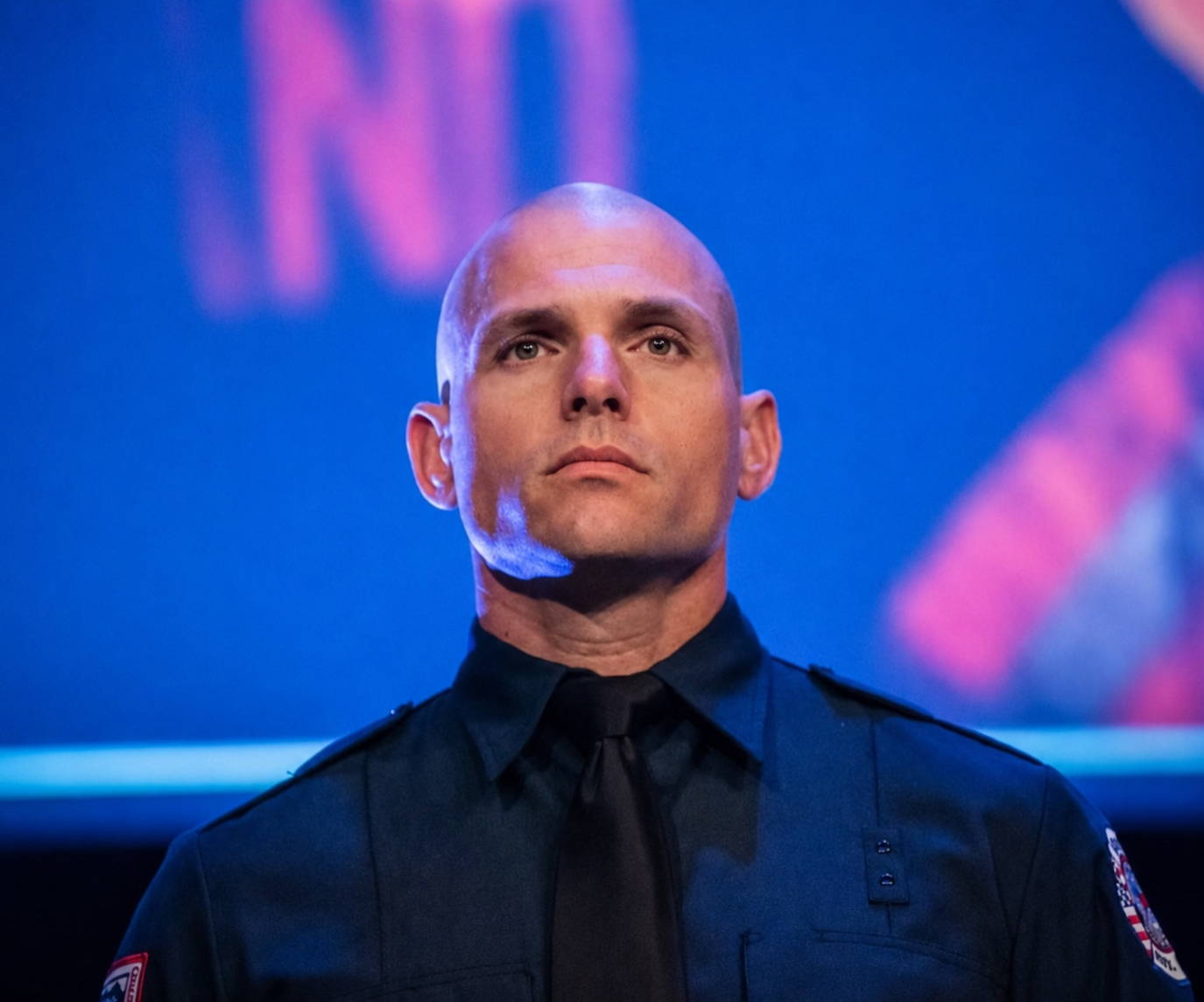
I'm a former teacher and USA Weightlifting National coach, turned firefighter. At my department, I am a member of our Dive Rescue and Peer Support teams, the head of our Peer Fitness program, and our Union President. More importantly, around the same time I made this career change, I became a father. The fulfillment and purpose I've found in these two jobs have been the catalyst for much self-reflection and analysis.
From this, my long-dormant creative side has been awakened. This outlet has optimized my ability to process the things we see on this job and manage my mental health. Resulting in one of my proudest personal achievements: A published book written for my son titled: In Case I Don’t Come Home: Letters to My Son.
The book is a series of letters, each a lesson I want him to learn. Here is the summary from the back cover of this book:
If I were to die tomorrow, what would I want my son to know?
This is the question author Matt Cooper asked himself when he began this project. This profoundly personal, philosophical, and practical book is written as a series of letters from a father (a firefighter) to his young son and weaves together personal stories, Stoic philosophy, Christian references, and modern psychology.
Deeply vulnerable and irreverently direct, In Case I Don’t Come Home is more than a father’s paternal gift to his son. It’s a field manual for any man who wants to become the kind of husband, father, and leader others can rely on—calm in crisis, humble in success, steadfast in suffering, grounded in virtue, a… Read More


