Building a Firefighter Recovery Room: One Station's Story of Healing From the Inside Out
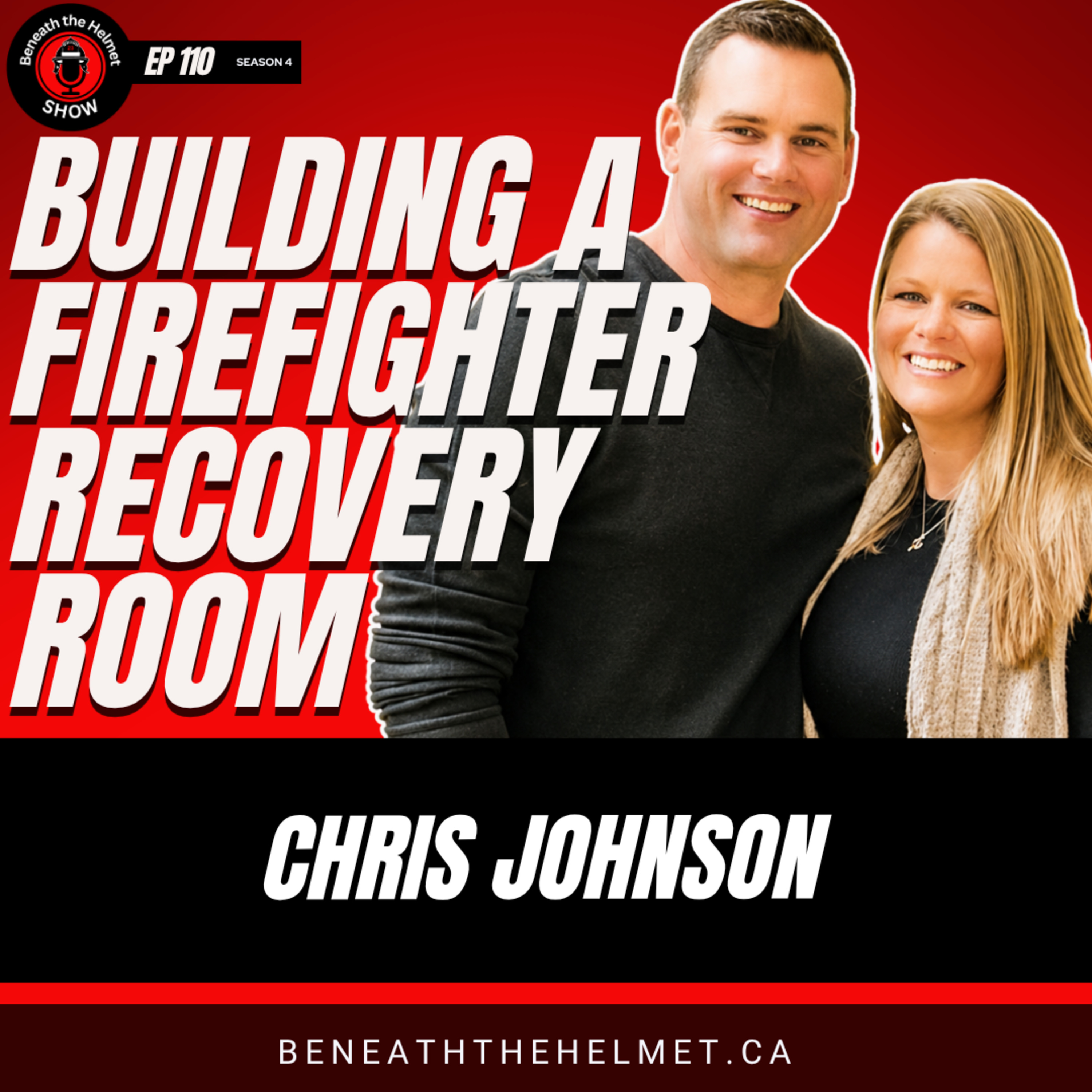
Chris Johnson was a second-generation firefighter carrying unprocessed trauma he didn't know he had -- until March 20th, 2024, when a crisis brought everything to the surface. That day, his deputy chief picked him up from shift and four words changed the course of his life: "We're worried about you." By that evening, Chris was four hours from home, beginning a 40-day residential PTSD recovery program at Deer Hollow in Draper, Utah -- a facility built specifically for first responders and veterans.
What he built on the other side is what this episode is really about. Back home in Kimberly, Idaho, Chris co-founded 2 In 2 Out Wellness and helped his fire station build a fully equipped recovery room -- sauna, cold plunge, red light therapy, and massage chair -- entirely through community donations, at zero cost to the department. In this conversation, Chris walks through his recovery, the science behind each modality, and why the firefighter spouse deserves as much support as the firefighter wearing the helmet.


There is a moment in this episode that stops you cold.
Chris Johnson is describing March 20th, 2024 -- the morning his deputy chief drove to an outlying station, sat beside him, and said four words: "We're worried about you." And the floodgates opened.
By 6:30 that evening, Chris was four hours away in Draper, Utah, beginning a 40-day residential recovery program for first responders living with PTSD and suicidal ideation. He was angry. He was exhausted. He had been carrying things he did not yet have language for -- including unprocessed trauma from watching his firefighter father's mental health unravel after a 30-year career ended in medical retirement.
What Chris built on the other side of that experience is the subject of this conversation.
What Is a Firefighter Recovery Room?
At Rock Creek Fire District in Kimberly, Idaho, there is a room behind the dorm quarters that most visitors would never know exists. Walk into the kitchen and you would not find it. But step inside and you are looking at a sauna, a cold plunge held at 44 degrees, a full-panel red light therapy unit, and a massage chair -- four recovery modalities that cost the department exactly zero dollars to install.
Chris and his colleagues built it through community partnerships and sponsorships, with a presentation his wife designed and a subject matter expert who helped them make the case to their chief. What should have cost $42,000 came in at nothing. From demo to ribbon cutting: 28 days.
The Science Behind the Modalities
This episode covers the practical side of each recovery tool in real depth. Sauna for cardiovascular benefit, muscle recovery, toxin release, and post-fire decontamination protocol -- shower first, sauna, shower after. Cold plunge for sleep improvement, PTSD symptom reduction, and nervous system regulation through deliberate cold exposure. Red light therapy, the least invasive of the four, shown to improve cellular energy, mood, sleep, and cerebral blood flow -- with 66.7% of veterans in one study showing increased blood flow after treatment. And the massage chair, which triggers the release of oxytocin -- the same hormone released during a hug -- giving members something simple and restorative that requires nothing of them except showing up.
2 In 2 Out Wellness: When the Spouse Is Also in the Job
Chris's wife Brittain helped save his life in 2024. She also identified a gap that most fire service wellness programs overlook entirely: the spouse who is effectively a single parent every four days, absorbing the emotional residue of a career they did not sign up for directly but carry nonetheless.
2 In 2 Out -- named for the firefighter safety principle, redefined as a commitment to bring firefighters and their spouses into the fire service together and out better, stronger, and more connected -- now offers recovery room buildouts, connection boxes for couples, and nutritional resources, all free to first responder families as a 501(c)(3) nonprofit.
If You Are Still Carrying It Alone
Chris closes this episode with a quiet directness that is worth sitting with. He is not performing recovery. He is living it, with his therapist having told him just days before this recording that she no longer feels needed -- a milestone most firefighters in crisis cannot imagine reaching.
If that sounds like somewhere worth heading, this episode is a good place to start.
Contact 2 In 2 Out Wellness: https://twointwooutidaho.org/
Deer Hollow First Responder Recovery: deerhollow.com
Host Arjuna George - Fire Chief (ret)
🚨 JOIN THE BTH COMMUNITY
📨 LinkedIn Podcast Newsletter:
✅Become a BTH Ambassador for a one-time contribution of $23. Your Ambassador contribution supports the behind-the-scenes work that keeps this project alive. Click here to support the show
📺 WATCH & LISTEN 🌐 Full Episodes & Show Notes: www.beneaththehelmet.ca
Connect with the Host:
Arjuna George – Fire Chief (ret) Owner of Silver Arrow Coaching and Consulting, Beneath the Helmet Show, and Burnt Around the Edges author.
www.silverarrowco.com
www.burntaroundtheedges.com
www.beneaththehelmet.ca
Building a Firefighter Recovery Room: One Station's Story of Healing From the Inside Out | Chris Johnson Ep 110
Welcome and Topic Setup
Arjuna: [00:00:00]
All right, everyone, welcome back. This is Beneath the Helmet. This is season four. This is episode 10- 110. This is episode 110. Today we're gonna talk about everything firefighter recovery rooms, and this is something maybe new to some of you who are listening right now, but we're gonna dive into what a recovery room is and how it can help you in your fire service.
Today, I, I get a chance to sit down with a firefighter mental health advocate, uh, and also the founder of 2 In 2 Out Idaho, Chris Johnson.
It's time to ignite your soul and unlock your full potential. Join us on Beneath the Helmet, the podcast exploring firefighters' health and wellness. Hosted by retired fire chief Arjuna George, our podcast is the perfect place to start your journey towards becoming the best version of yourself. So come on, let's join the conversation and find out what sets your soul on fire.
Meet Chris Johnson
Arjuna: [00:01:00] Welcome- Hey ... to Beneath the Helmet, Chris.
Chris: Tha- thanks, chief. I appreciate you having me. Oh, fantastic.
Arjuna: So let's tell our listener a little bit about who Chris is and what brought you to kind of the service and the, and the, the passion and interest you are serving the fire service today.
Chris: Yeah, absolutely. So yeah, like you said, Chris Johnson. Um, I'm a driver operator at Rock Creek Fire District in Kimberly, Idaho. Um, second-generation firefighter. My dad was a firefighter for 30 years, ended up being medically retired, and then, um, love the fire service, love everything about it. I love everything that we do, serving the community, the brotherhood and sisterhood that we have.
Um, and then I'm also the co-founder of a nonprofit, uh, 2 In 2 Out Wellness, 2 In 2 Out Idaho, as some people call it, since we are located in Idaho. Um, and we created a wellness room at our fire station, and we're gonna dig deeper on how we can share that with people and, um, how they can contact us and how to build them at their own stations.
So I'm excited to be [00:02:00] here.
Arjuna: Yeah, when I saw the 2 In 2 Out Idaho, I was like, "All right. This is, this is kind of setting the stage for 2 In 2 Out California, 2 In 2
Chris: Out..." Absolutely. ... anything. 2 In 2 Out United States, 2 In 2 Out- That's right ... world. Like, we're ready to go. Yeah. Love it. Love it.
Why Mental Health Matters
Arjuna: So tell our listener a little bit about your journey coming up to this and why mental health is such an important thing for you to share with the world, uh, your experience briefly, and then we're gonna dive into something that kind of really helped you kind of, uh, recover and regain some balance in your own life, uh, with Deer Hollow.
So...
Chris: Yeah, absolutely. So like I just shared, my dad was medically retired after 30 years. His mental health, um, was not diagnosed. He ended up doing really terrible things after he retired, um, and didn't get the help that he needed. So 2 In 2 Out and that definition on that is very personal to me. Um, I feel like I'm walking alongside my dad, um, getting the other firefighters and first [00:03:00] responders the help that they deserve.
Um, and then I never processed that trauma. Um, as an 18-year-old kid, you're still high on life and thinking everything's great and you have no problems.
Crisis and Getting Help
Chris: Um- And then on, oh man, March 20th of 2024, all of that came crumbling down. Um, I sent my wife three suicidal reels on, uh, TikTok the night before. I was on shift, and, and she took the bull by the horns and got the ball rolling.
I ended up, um, getting picked up from one of our outlying stations by my deputy chief on March 20th of 2024. Um, and the words that he said to me, I will never forget. He, uh, he said, "We're worried about you." And the floodgates opened for me. Um, I was carrying a lot of pressure, um, of the job, of past traumas, [00:04:00] of, um, being a father and a husband.
And, um, and when he said those words, "We're worried about you," I just broke down in tears. Shame, guilt, frustration. Felt like, um, being a, a man in this world, you're supposed to be able to carry the weight of the world on your shoulders, and I felt like I'd just been caught. And, um, I actually ended up that day being supported more than I ever knew that I had.
Um, I felt like I could do everything on my own, and that day I realized that I couldn't, and it was great to have that support system, um, in place. And then I actually ended up that same day at about 6:30 or 7:00 at night at a 40-day recovery program in Draper, Utah, uh, called Deer Hollow, um, where they specialize in first responders and veterans with PTSD and suicidal ideations.[00:05:00]
Arjuna: Wow. Let's kind of go back to you, uh, definitely your wife and maybe your chief as well, but looking back on it, did they have the tools to kind of support you at that time, or were they kind of just going with their gut on how to, how to support you and how to handle the situation?
Chris: Yeah, absolutely. That's a great question.
Um, we didn't have a peer support team, um, at the time. They were really just going off of instinct. Um, and my wife is a very driven individual. When she speaks, you listen. Um, and so when she called, she actually called my best friend, Dylan Baker. He's a firefighter at Rock Creek Fire also. And we have a joke back and forth that he never answers his phone, because he doesn't, and he answered it that morning.
Um, and then he assisted my wife in getting that ball rolling, um, to get me picked up and get me checked on. And then we have a foundation here in Twin Falls called the Jay Foundation, where they've got, um, counselors on [00:06:00] staff and people you can go talk to and, um, a couple resources there. And so Dylan ended up taking me there after I was removed from shift, and that's when- I finally got to see my wife, and the decision was made to have me go to that 40-day recovery program.
Um, after just talking with professionals and hearing all the things that I was carrying and, um, my wife and I both agreed that a 40-day recovery program was gonna be beneficial, not only for me, but for my wife, my boys, um, and my department as a whole. So...
Arjuna: Well, kudos to your wife for recognizing that red flag, right?
So...
Chris: Yeah, absolutely.
Inside Deer Hollow Program
Arjuna: So walk us through a little bit of what your experience at Deer Hollow was for those who are kind of like, "Hmm, what is this? How could it support me? Um, and maybe this is something I need to explore myself," for the listener, right?
Chris: Yeah, absolutely. So, [00:07:00] so Deer Hollow for me, um, is in Dra- it's in Draper, Utah.
That's for everybody. But for me, I was angry. I was angry at the world, I was angry at my past, I was angry at a lot of different things. But Deer Hollow accepted me as I was. Um, and Lisa Ferguson is in charge of, like, administration or admittance, that portion of it. She met me there at 6:30 at night, and if you go on our website you can see my admittance photo, and, um, I was beat up.
Yeah. Um, she gave me a hug and treated me like her own. Um, and was genuine and caring and kind, and they got me through the admittance process. Um, and then I was in the Pioneer House. Um, they have three different houses. I was put at the Pioneer House, and I was extremely grateful for that, um, experience.
[00:08:00] Um, I remember they take your suitcase. Uh, they have to do your, a bag check to make sure you don't have anything, you know, guns, knives, all that stuff, which is normal. Um, and they give you a mentor, somebody that's been in the program, you know, two weeks, halfway, um, to kinda show you the ropes because, again, you're in a completely new space, right?
I had been removed from shift day two that morning, um, and it was till, still technically a shift day for me and I had just been driven four hours down to Draper, Utah, and my mind, again, is just crazy. Things that I'm running through my mind of all things. And so I was supported there, um, where I met my mentor and then again, I did a, a lot of intake stuff with, with counselors, um, until about 11:00 that night just so they can understand, um, a lot about who I am and what I was going through and what I'm bringing to Deer Hollow.
but again, nothing but support, [00:09:00] which for me was- was something I wasn't used to because I carried it all on my shoulders and felt like I could take on the world on my own. Um, and I went to sleep that night grateful to be there. Um, it did take me about 20 to 21 days to fully grasp what they were trying to, um, build me into, um, and what, what they provide.
Um, but the next morning, day two, they technically counted it as day one, but day two in my mind, you wake up, you, they take you to the gym, you load up in a van and you go to the gym, you work out six days a week, um, which they believe that physical activity is a huge benefit for your mental health. And I completely agree with that.
Um, I'd make sure that I work out four to six days a week, even coming home two years later. Um, and then all your meals are cooked for you by a chef. [00:10:00] Uh, it's phenomenal. You really don't worry about anything but your own laundry and then the work that they want you to do to better yourself. Um, the hardest thing for me, um, was day five, March 25th of 2024.
It was my 34th birthday. Um, and for those first five days, you don't have contact with anybody, um, except for the people in the house. You don't have contact with your wife or your chiefs or family or anybody. So it's basically your time to just radio silence the world and grasp and kind of dive into what they're doing.
Um, and then again, March 25th of 2024, my birthday, which I'll never forget because they have you do what's called the trauma timeline and they break your life up into five-year increments, zero to five, six to 10, et cetera, et cetera. And you share everything traumatizing that's ever happened to you. Um, and you do this in front of your [00:11:00] peers, your new family, basically of first responders that, that you're, you're with and being a very private person back then, not sharing my traumas, not sharing my journey, not sharing the trauma from my dad or anything like that was hard for me.
Um, I was angry. I was closed off. I was reserved, but again, they had a clinician therapist in there guiding you and helping you open up and feel the anger and the frustration and giving you a safe space to cry and allow you to be who you are in that moment. And, um, it ended up, I think it was like a two or two and a half hour span of me just opening up and being just completely diving in on this is who I am.
Um, but then by day five, these complete strangers know everything about you and they're still sitting there and supporting you in this room, just like they support you at the firehouse or the police station or on the ambulance. And, [00:12:00] um Some of the best relationships that I've ever had were at Deer Hollow.
I mean, I had support from an ATF agent to a veteran to police officers, and we just supported each other through this whole thing. And then it just is kind of, again, continuing, right? You're in what's called the pain box for four-hour increments. So, like, after breakfast, you're there for four hours. You have lunch, then you're back in it for four hours, and then you do a guided meditation before you go to bed.
And you've got coursework and things like that, and that's five days a week. So, I mean, they basically sum it up as you do two years of therapy in 40 days. Um, but in the end, it made me realize that I was still stuck back in 2007, 2008, when my dad medically retired and did all those terrible things, and it allowed me to break free from that to then live in the present with my wife and my kids, my department, myself, [00:13:00] to be Chris in 2026.
Um, so I'm eternally grateful for Deer Hollow. Um, I'm eternally grateful for my department, my wife, and my community for supporting me.
Graduation and Aftercare
Chris: Um, and then I graduated on April 30th of 2024, and they do what's called a coin out, which you get a challenge coin from Deer Hollow, and everybody presses in. They go around the circle, then they press in what they hope for you, so, like, strength, courage, um, guidance, and it, and it goes through the whole circle.
And it's a big, meaningful thing because throughout my time at Deer Hollow for 40 days, we had people come in and out of those doors. Like, and you could leave at any time. It's up to you. You're there voluntarily. And I think we had 22 people come in and out of those doors, and I think only eight of them graduated.
So it's like to get through that whole 40-day program, you're [00:14:00] putting in a ton of work, right? I mean, you're putting you first, shutting off the rest of the world, and allowing you to heal and then grow from it and continue to heal once you go home. And so, I mean, it's, it's nothing short of amazing if you continue to put yourself first.
Arjuna: Wow. What a powerful story and journey. Yeah. Thank you. Hmm. Yeah, kudos to, uh, Deer Hollow for sure. That's, uh, sounds amazing.
Chris: Yeah. They- Do you think- ... they put up, they put up with, with an angry individual for a while, I'll tell you. Yeah. Do
Arjuna: you think 40 days was enough in your opinion, or could you have s- Like, was that a good amount of time?
Was it too much or too short? So
Chris: after... Yeah, so D- yeah, Deer Hollow, um, has different tiers, right? They've got that 40-day, and then you can transition into another, um, program that they have to kind of still have that guidance and support right there in Draper, Utah. But then you [00:15:00] um, transition back into everyday life.
So you still have about four hours of group, but then you have four hours of free time, um, where you can come and go from the house as you please and do all that stuff. For me and, um, the therapist that I had, and the team that I had working with me, they felt like 40 days was, was enough for me, um, with continual therapy once I came home.
And they, they helped set that up. Um, and with the support system that I had at home within my department, uh, within my wife and everybody around me, um, they felt like 40 days was enough for me. Um, there's definitely times when you're in there where you're like, "Man, 40 days seems like it's forever. Like, how am I gonna get through 40 days?"
And I finally came to terms with it that there's 365 days in a year, and if you subtract 40 days, you still have 325 days in that year to be better for yourself and for your wife and your kids [00:16:00] and your community and the people you serve. And ultimately, 40 days is a glimpse to have a phenomenal life, as long as you to, continue to put the work in once you come home, right?
And so I did that. I've been seeing my therapist. So I was seeing a therapist before I went to Deer Hollow, but it was all surface level. It was all... Like, if you look at an onion, like in Shrek, like, it's all surface level. Peel the onion back. But I wasn't allowing that to, to dig deep and get into the core of my trauma.
Um, that just wasn't who I was. Um, and since coming home, I'm much more open about it. Um, this is who I am. This is what I've, you know, the trauma I've had. And, um, and I'm actually grateful because on Friday, May 22nd, my therapist just told me at my last session that she feels like she's no longer needed.
Um, so I'm gonna be set free, I guess, from [00:17:00] therapy, which is mind-blowing to think about with all the work that I've put in. Um, of course, my therapist is still gonna be there for me if needed, but she really wants me to utilize the tools that I've continued to utilize and can get to just basically get an hour of my life back every month, 'cause it's now broken down to every month, so.
Awesome.
Arjuna: Yeah. Well, good job for the hard work that you put in. I'm sure that was, uh- Thank you ... yeah, a lot of hard work. Yeah.
Tools That Changed Everything
Arjuna: So in, in saying that, what kind of tools and strategies have you taken away from your whole experience, maybe not just Deer Hollow, but over the last f- number of years, couple, two years, three years, that you're still using today that have really changed your life, that you wanna share?
Yeah.
Chris: Abso- absolutely. So- Just some easy ones that I can think of, um, journaling. I've learned that if I can write things down, um, and express it that way has helped me a lot. Um, I've also been very blessed in the fact that before my wife even let me walk through my own front door, um, when [00:18:00] I graduated Deer Hollow, I was introduced to IT 83 Fitness, which is right here in Twin Falls, and she's now a board member of Two & Two Out, which I'm super grateful for.
But she's got modalities in there that, um, have helped me put me first. Um, red light therapy, sauna, cold plunge, and massage chair. Um, and she provides these with your gym membership. And when I was still, I think I was maybe... ' Cause my wife and I took two days for ourself after I graduated, and so I was only out of Deer Hollow for maybe 48 hours.
She s- I was still transitioning back into, like, everyday life because you're not, you're only around the people in your house. You're not around every- everyday anyone, right? Um, she accepted me for who I was. She knew my story. Britain, my wife, had talked to her already, and she opened her gym up to my wife and I, and we've been there ever since, and [00:19:00] it's phenomenal.
And I use these modalities every day. I keep looking over here because I see my red light panel that I've got in my office downstairs that I get to use at home. Um, and then saunas and cold plunges. You gotta be a little bit crazy to do a cold plunge 'cause that water's brutal. But those, those four modalities help me a ton.
Journaling helps me a ton. And then again, just being open, talking about how I feel. Like, telling my wife or telling even the guys at work like, "Hey, I'm, I'm tired," right? "I'm anxious. I'm angry. Like, I'm gonna let you guys know where I'm at because if I bottle that up, I'm gonna explode." That's just who I am.
Like, if I bottle that up, I'm gonna be like a cork on a champagne bottle, and that's not good for anybody. So just being open and honest about how I'm feeling. Journaling helps, and then those four modalities, like I just said, are the key to helping me be me, um, and be successful within my mental health.
Arjuna: Yeah, it's so freeing to be authentic, your true self, [00:20:00] to be vulnerable and share how you're actually feeling, right? It's so freeing, instead of carrying that and holding it, bottling it up like a champagne bottle, right?
Chris: Yeah.
What Is a Recovery Room
Arjuna: So the, the guts of our conversation today kind of really wants to kind of dig into the recovery rooms, the wellness rooms- Okay
and your initiative that you kind of put into place in your fire station. So starting off, what is a recovery room? What in your... For somebody who's never heard of that definition before, what would a re- recovery room look like? Purpose? Tell us, tell us a little bit about that.
Chris: Yeah. So our recovery room at Rock Creek is something I, I don't know where...
I mean, I know where it came from, 'cause firefighters can think of anything, and we thought of this and, um, it's got those four modalities: sauna, cold plunge, massage chair, and red light therapy in it. Um, it's backed by our dorm rooms, um, so it's very secluded. If you walked into our firehouse kitchen, you wouldn't even know it was there.
Um, that's how [00:21:00] great of a location we have. Um, and it's a room where firefighters and spouses, 'cause our spouses are allowed to use it too, can go and decompress, take time for themself, use these modalities at the firehouse, which we spend more than a third of our career at, um, providing care and being there for our community.
Um, and within this wellness room, recovery room, um, it allows you space just to be. Um, you can do what's called fire and ice, which is sauna, cold plunge, sauna, cold plunge, which is phenomenal for sleep and, um, PTSD symptoms, anxiety, allowing your body to just recover. Um, red light therapy, you can stand in front of, or even we kick 'em on when we're in the massage chair, and that allows help with blood flow, um, PTSD symptoms, [00:22:00] joint recovery, everything like that.
And then, um, within the massage chair, it squeezes your arms and your shoulders and your calves and all of that, and then it actually releases a hormone which is called the happy hormone, is what we call it, and it reminds you of getting a hug. And when you get a hug, it actually allows that happy hormone to release, which actually helps you, um, recover mentally and physically within that.
Um, we don't have sign-up sheets. We don't have big rules on it. Like, our captains are in charge of respecting that time, um, for our members. The member has to go through the captain if they need time in the wellness room before 5:00. After 5:00 is kinda our time, um, where guys can use it. Guys and gals can come in off duty and use it.
Um, and it is a space, if you were to walk in there, I think we've got pictures on our website, it doesn't even look like you're in a firehouse. Like, it looks like you're... We got guys that call it the spa, and honestly, [00:23:00] it kinda is, and I'm okay with that because these four modalities have helped me, and I've seen it help our members and our spouses, and that's kind of what a recovery room is.
It's just a place for you to recover. Um, I like to say, like, some of our members, like, "Hey, go take 10." Like, go take 10 minutes for yourself. Instead of doom scrolling at the kitchen table and dwelling on it, I'd rather you doom scroll for 10 minutes in the recovery room or wellness room and, um- And do something for yourself.
Um, doom scroll in a massage chair, but at least you're doing something for yourself that's gonna kinda almost fight that doom scroll a little bit. Um, and so... And really, in the firehouse, you take 10 minutes for yourself in a 48-hour period, like, that's not, that's not anything. Yeah,
Building It for Zero Dollars
Arjuna: So how did this come to fruition?
Was it... I, I know a lot of sponsorships- Yeah ... kind of supported this, and I believe it was maybe even completely free and no taxpayer involvement whatsoever. Is that correct?
Chris: That is absolutely correct. Yeah. Um, and [00:24:00] like I said, firefighters can come up with crazy ideas. And, um, one of our members came up to me and they said, "Hey, how cool would it be to have a sauna in our firehouse?"
And I was like, "Yeah." You know, we were talking about the sauna backing on cancer research and all this stuff, and I'm like, "Yeah, that'd be great, man. Like, let's look up and see how much they cost." And so we were looking up on websites, and we're like, "Dude, there is no way we're gonna be able to afford a sauna."
Like, "You gotta be kidding." And so he's like, "Well, who builds saunas?" And we found Golden Design Inc. out of Ontario, California. They're one of the largest distributors of saunas in North America. Um, and I was... He's like, "Just shoot them an email. Just see if they respond." And of course, I thought I was gonna get a robot.
Like, largest distributor in North America, I'm not gonna get a real person. There's no way. I just shared, like, "Hey, we're Rock Creek Fire District. We're a rural community out in Kimberly, Idaho. we're just curious, [00:25:00] like, what... Is there a break you could give us on saunas or anything?" And he responds back, like, you know, "We just had Long Beach Fire buy 30 units.
Yeah, you know, we, we absolutely can figure something out." Um, and so my next email back was, "Well, would you be able to, like, donate one?" And he goes, "Yeah, we could donate a two-person infrared sauna, um, as long as you guys cover the shipping of $348." And I'm like, "Okay. I think, I'm sure I can get $348 from somewhere.
Like, where could this come from?" And I went... Like, a light bulb went off. I was like, "I gotta call my mom." And so I picked up the phone, I called my mom, and I said, "Mom, this is what we've got going on. We've got a sauna donated, but we gotta cover the shipping of $348." She goes, "I got you." Like, "I'm in." And again, your mom's always there.
Like, it's crazy. She will do anything for you. It doesn't matter how old you are or what you've done, she's always there for you. And so she covered [00:26:00] the $348, and I looked at my buddy, and he's just like, "Dude, we did it. Like, we have a sauna coming." And then we looked at each other and realized- We don't have chief's approval.
Holy smokes. Like Yeah. So, so we had to take a deep breath. I went into my deputy chief who's, um, on our peer support team, 'cause we now have a peer support team, um, which we're very proud of. Um, and I was like, "Hey, DC, I did something." And anytime I go into his office and I say that, he's like, "Oh man," like, "What in the world?"
And again, he drove me to recovery, so him and I, we're, we're close. Like we have a very close relationship. And he's like, "Okay, what'd you do?" I said, "I have a sauna donated and it's being shipped here, and I don't have chief's approval." And he goes, "Oof." He's like, "Okay." Like, um, "Well, build a presentation. Let's, you know, get chief in there," [00:27:00] and he's like, "Bring in maybe a subject matter expert and can help us push this across the goal line."
And, and uh, I said okay. Um, and so we scheduled it for a couple weeks out. He's just like, "You know what? Bring-- Keep the sauna coming." Like it didn't cost us anything, so we're just gonna let that happen. And he goes, "But build this presentation." And so my wife helped me. I'm not even gonna say my wife helped me.
My wife built the presentation. Um, I didn't build it. She built it, and she's like, "If you're gonna do this, why don't you go for it? Like, try to get a massage chair. Try to get, um, a cold plunge. Try to get red light therapy." She's like, "You use them off duty, like why don't you use them on duty?" I'm like, "Well, that's a great point."
Like why not? And so she built this phenomenal presentation. We brought in, um, Shawnee Powers from Float Magick, and she's phenomenal. She's got an amazing space here in Twin Falls, um, for recovery and float therapy and all that. She came in, was our subject matter expert, and made us sound like we knew exactly [00:28:00] what we were talking about.
She's that good. And I gave my presentation. Um, our chief walked to where our wellness room is now, and he's like, "Well, we could bump this wall out four feet. We could do this. We could put a wall here," da da da da. And I define it as when your wife walks into a house and starts placing furniture, you know you're buying the house.
And so so our chief started placing things, and I looked at my deputy chief, I looked at a couple of our members from the peer support team. I said, "I think we got him. Like I think we're there." But I'd also put that nugget out there that it was gonna cost $0. Like, and he's starting to put walls up, which is way above what my brain had thought.
Like, so I'm like, "Okay, how are we gonna do this?" Like okay, so sauna shows up and we store it in the shop. We've got a little shop out back. We put it in there. Um, and I'm starting to contemplate, like okay, how many two by fours are we gonna need for this wall? All right, drywall, mud, and tape. [00:29:00] And all of a sudden- We had community members supporting this 100%.
I went in, I set meetings, um, told them exactly what we needed. They supported it 100%. And what should have cost our department $42,000 cost us $0. And from the day demo started to the day we ribbi- did, did the ribbon cutting was 28 days. Um, and I mean, the impact that it's made already, um, has been phenomenal.
We didn't have 2-into-Out when this happened back, um, literally September and October of 2025. So we didn't have 2-into-Out. We didn't know what that looked like. We didn't know what it could look like, um, to what it is today. Um, but what we did know is that Rock Creek Fire District had a wellness room and all four modalities, and it's open to not only us as firefighters but our spouses, and it's being utilized and, and that's the best thing [00:30:00] about it.
And from a department that two and a half years ago didn't have a peer support team and had a member going to recovery, now has a peer support team and a recovery room with all four of these modalities in it, is leaps and bounds. It's huge because things in the fire service don't usually happen quickly, and I feel like this happened quickly for the fire service and we're grateful that it happened.
And then again, 2-into-Out was created throughout that.
Arjuna: having the expert come in probably really, really kind of set the stage, right? Yeah. Or made sure
Chris: this was
Arjuna: a, a green check mark, right?
Chris: Made us look really good.
Arjuna: Yeah.
Sauna Debate and Hydration
Arjuna: There's a lot of arguments out there that saunas are good. There's a lot of arguments that saunas are bad for firefighters.
What would be your thoughts to somebody who says, "Ah, there's no evidence that this is gonna help, uh, the fire service in their wellness aspects"? Sure. Uh- Now, I'm a firm believer of it, but I know there's also a, there's mixed conversations going on out there.
Chris: Yeah. Really the, the biggest thing that I've heard is that [00:31:00] it's more of a dehydration issue.
Um, we're already dehydrated because of the energy drinks that we drink. We're dehydrated because of the calls that we go on, and then we don't rehydrate. And I know there's Fire Salt out there. I know there's all these great different things, but if the first responder's not gonna hydrate themselves, then really you aren't getting a benefit out of it.
Um, because when you go into a sauna, it doesn't just help cardiovascularly, it helps loosen up those muscles that are tight, it sweats out toxins, it does all these things. But if you don't rehydrate yourself with water or, um, I'll even say Gatorade, you know, throw Gatorade in there or throw a salt packet in there, um, you're not getting the full benefit.
Um, if you sit in there and take the time to let yourself get that good sweat and allow yourself to Then rehydrate afterwards. And I'm not saying you have to drink a gallon of water within an hour. Like, just con- you know, drink a cup of water throughout the [00:32:00] day and keep yourself hydrated. We should be doing that anyway if you don't use a sauna.
Hydration Sauna Basics
Chris: You should stay hydrated and be ready because the atmosphere that we work in, it doesn't matter if you're in a super hot area or a super cold area, once you throw those turnouts on, you're gonna sweat nonetheless. So either way, you gotta stay hydrated. So my argument back to that is if the person using the sauna really wants to better themselves, just drink a little, drink water afterwards.
Stay hydrated and you will get the full benefit out of
Arjuna: it.
Decon Sauna Routine
Arjuna: You, you utilize the saunas for, uh, like post fires? We have. Like a decontamination kind of process to sweat it out? Do you use it- Yeah, so- ... for that purpose or is it mostly just for this wellness aspect of it?
Chris: Yeah, it's a- Just curious ... double-edged sword.
We do both. Yeah. Um, we have our guys shower beforehand, then sauna, and then shower after because all the research that we've done, um, and again, there's gonna be people out there that are gonna tell me I'm wrong, and that's fine. [00:33:00] Um, we believe in it. And, um, if you shower, it at least gets that initial layer off.
Um, then you sweat it out, which then it, that opens your pores. But if you don't shower afterwards, all that stuff stays with you, right? Your sweat then sticks to you, it goes back into your pores. You're not getting that full benefit. So showering after allows all that stuff to release. Um, and so we do use it for that, but then we also use it for just wellness.
So, like, there's guys that we may not have had a structure fire that day, but they're like, "Hey, I'm gonna go sauna, cold plunge, sauna, cold plunge before bed," and they utilize it as just a wellness resource, so we use it for both.
Cold Plunge Upkeep
Arjuna: I'm sure the listener right now is thinking, "Okay, this is great. It was donated.
Sounds like an amazing setup, but how about the ongoing upkeep of this?"
Chris: Yeah.
Arjuna: Where is that coming from? Is that from foundation? Is that from fundraising, or is that now in the operational budget for the department?
Chris: Yeah, so the upkeep of it all is actually super easy. The only thing that truly needs, like, the [00:34:00] upkeep, the big upkeep, is the cold plunge.
Um, you drain it, you wipe it out and clean the inside. It's a stainless steel, um, liner that's in there. Um, and then it's got a one, 1.0 horsepower pump on it that is the chiller and the pump. You clean that filter out, um, every week. You drain it every week, you clean it, and then when we refill it, we throw a cap of just, um, bleach in there, um, which then just helps.
But because you're at those lower temperatures, it doesn't allow algae and all that stuff to build up. So, um, the upkeep is really minimal when you think about it. Um, as much as we clean our rigs and clean our stations and all that stuff, draining the cold plunge, um- takes anywhere from, depends on how fast you open that valve, but that valve can drain that cold plunge in less than five minutes.
Um, you wipe it out, you clean it, you refill it, and you're ready to rock and roll. So the [00:35:00] upkeep on the cold plunge is super easy when you really break it down. But then you just wipe down the massage chair with Clorox wipes and things like that just to, you know, keep it clean. Red light panel hangs on our wall, um, and we clean it every now and again just to keep the room looking good.
But, um, and then within the sauna, guys just wipe it down after use, and it keeps the upkeep right away. It's, it's ... I know it's super new, and these modalities are new, um, but the benefit and the work behind it and the upkeep is fairly minimal when you really break it down. Oh, I love
Arjuna: that.
No Ice Chiller Setup
Arjuna: Uh, so this, this, uh, cold plunge, there's no ice in it?
It's just a, basically like a, a fridge unit that's keeping it cold. It's not any ice. So you don't have to- Yeah ... keep filling ice into it and,
Chris: yeah. Nope. No ice. Yeah, so- 'Cause that could, that
Arjuna: could be a bit of an ordeal, right? Filling it with ice and having ice machines and,
Chris: yeah. Yeah. Yeah, so, so yeah, if you had to fill it with ice and then [00:36:00] you don't know what temperature it is, and then all of a sudden you're going in and it's dangerously cold, um, or not cold enough for some people.
With, with this one horsepower pump that is included with the cold plunge, um, it actually goes up to 102 degrees, so we could have it as a hot tub. But again, we are using it as a cold plunge, um, for those medical grade, um, aspects and the benefits of that. Um, we keep it at, like, 44, 45 degrees, um, which is bitter cold.
It's cold. Um, and the pump just kicks on. It's all automatic. It filters the water, it filters it all, cleans it, does its thing, keeps it cold. Um, there's actually an app where you can use the app to, um, bump it up a little bit or bump it down, depending on what the person needs. Because when you change it just by one or two degrees, it's crazy how your body actually reacts, um, and knows the difference within that.
Um, but [00:37:00] yeah, the, the pump that it comes with, um, makes our life that much easier. Yeah, so. I like that.
Red Light Benefits
Arjuna: So I think probably most people are familiar with saunas. Even the cold plunge is kind of getting its, its rage right now across, uh, well, the internet. People are talking about it all the time in the wellness industries.
But red light therapy, maybe not so much. Um, how does that impact and what's the, what's the benefits of red light? You kind of touched on it originally in the intro. I know I've seen the face ones. I've seen the body panel ones. Is there differences between those? Does it have to target the whole body?
Does it have to target specific spots in your body? Share a little bit about red light therapy for those who have never heard of it really.
Chris: Yeah. So with red light therapy, I like to share that it's the least invasive. It doesn't touch you, right? A lot of thing- a lot of firefighters have a problem with touch, or first responders have a problem with touch.
Um, so with the red light panel, you just [00:38:00] have to stand in front of it. Um, um, they say three to five inches, but really as long as you're just in the room, you're getting some sort of benefit. Um, and the best thing about it is it improves cellular energy, your mood, um, and sleep, and then it actually... It's proven that 66.7% of veterans showed increased cerebral blood flow, um, after treatment, so just the blood flow in their body, um, reacted in a positive manner.
And then you only have to use this 5 to 20 minutes, um, three times a week to see those benefits. So if you only have 5 or 10 minutes, just stand in front of it. Or like we do, we kick it on in the massage chair, and the massage chair is set for 20 minutes, so you're at least getting that aspect of it all.
And then, um, like I shared earlier, I've got a panel in my office, and every morning with my first cup of coffee as I'm doing my self-reflection, I kick my panel on and it's set for 20 minutes. It's about two feet away from my chair that I sit [00:39:00] in. Um, but as I'm doing my self-reflection and my first morning cup of coffee, I'm getting 20 minutes from that panel, and then if my day gets too crazy where I know I can't get into the wellness room or get to the gym and get into their recovery room, then at least I know I did something to benefit, um, my mental and physical health, um, with one of the modalities.
But yeah, the red light panel, non-invasive. Um, all you gotta do is stand in front of it. But yeah, you said there's face masks, which the face mask, um, I've seen them too. I've never used one, but they say it helps with, skin, um, like wrinkles and stuff like that. Um, there's tons of benefits for it. So- It's very
Arjuna: targeted wherever it's lighting.
Yes. So if those face mask ones are really targeting the face.
Chris: Yep. Yeah. And then like we, we had a, um... Our training chief came into me and said, "Hey, I've got joint pain in my elbow. Like can you show me how this red light panel works?" I'm like, "Yeah, absolutely." And he just stood there, but [00:40:00] then he targeted that elbow, right?
So he turned his body to where his elbow was the closest to the panel, um, and he used it and used it multiple times throughout the week or two-week span, and didn't do anything else, didn't do band work or anything like that, and said, "You know, it actually is starting to feel better." So, you know, it's a huge benefit to even have our chiefs be on board and be excited about what we've built, um, and having their whole support within that and even s- the support of 2 & 2 Out.
So it's been good.
Pricing Partnerships
Arjuna: Those pricey units? Or I've, I've no i- idea what a price of a red light wall-mounted light would look like.
Chris: Yeah. So I'm looking at this one. I think this one's like 40 inches tall by 10 inches wide, maybe 12 inches wide. Um, they're medical grade, which is huge. Um, you can go on Amazon and find red light panels for like 80 bucks, but they're not medical grade.
These are medical grade. Um, they're ... The panel we've got is listed at [00:41:00] like 1,300, but through 2intoOut we can get them for 900, which is huge. They've also got a Mega X, which is like one and a half times the size of the one I've got, and I think that one we've got priced at like 1,500, 1,600, something like that.
But, um, but yeah, the, the four modalities, since we're talking about pricing, the four modalities should be costing any organization or any person over $25,000. So, um, through 2intoOut and our partnerships with Mito Red Light, Infinity Massage, and Golden Design Inc., we've been able to get them in under 10,000.
So, um, yeah, just, just through our nonprofit. So like if a department comes and says, "Hey, we want to know more about this, like we're, we're intrigued about this," um, even though they may not need our assistance financially, like they've got it in their budget, in their health and wellness budget, um, [00:42:00] you're not paying 25 grand, you're getting $15,000 off that, which is more than 50%, to get it under $10,000.
So, I mean, and that's the thing, I'm, I'm excited to talk to anybody about it. They've been such a benefit for me that, um, the firefighters that I've talked to have completely bought in. They're excited about it. Um, what I've learned is that we have to make sure the chiefs are on board. So, um, I've emailed chiefs out of Oregon, Washington, Montana, and just introduced who I am and been like, "Hey, if you guys want to chat about this, like let's bring wellness resources to your department."
So far there's crickets and sometimes there's emails back, which is exciting. So we're moving in the right direction.
Selling Chiefs On Space
Chris: I think it's the biggest, uh, s- kind of,
Arjuna: you know, boundary or obstacle that you've come across dealing with decision-makers on these. Is it the price? Is that kind of the, the bottom line, the cost?
Chris: No. The cost really hasn't been, um, [00:43:00] like the outlier. The outlier's been selling them on the benefit Or where do we put it? Where do we put it has been a big one. Um, we're partnering with Twin Falls Fire Department. They've got three stations, but two of them are brand new, under like two or three years old, and they don't wanna rip walls down.
They, you know, like what they've built, and I can completely agree with that. So what's nice about the Red Light Panel is that you can put it on a wheeled base and wheel it to a dorm room or wheel it to somewhere else. Um, but all departments have gyms, and so figuring out if the sauna and the cold plunge can go in the gym, or does the massage chair go in the day room to where more guys see you use it?
And maybe people will then be like, "You know what? So-and-so's using this. This could be a benefit." So really the biggest hangup hasn't been finances, hasn't been, um... Really it's location. I wouldn't say it's finances. Location is probably the biggest thing. Um, but we're ready [00:44:00] to, to help any department kinda figure that out and figure out layout and what that looks like.
Um, but yeah, definitely location.
Wellness Room Upgrades
Arjuna: I'm very curious what your wellness recovery room 2.0 looks like. What, what would you love to add to it that you have not added yet?
Chris: Oh, man. Um, I don't know. That's a good question. I've never been asked that. Um, have you ever heard of compression chambers? No. If we had an...
If we just had the amount of money that like no questions asked, I would love to add a compression chamber. Um, I've never personally done one. Uh, one of my board members has, and actually my therapist has, and they speak highly of it. And if we had all the money in the world and all the space in the world, I would say a compression chamber would be what I would add.
Arjuna: That's similar to those compression boots that you can put on that kinda go from your whole, to your waist down- No ... and basically squeeze your [00:45:00] legs, um, as a recovery tool?
Chris: Honestly, I don't know enough about it except for that people have used them. Um, and it's something about like the oxygen in your blood or something that it compresses and helps release.
Um.
Arjuna: Yeah, 'cause I know quite a few firefighters are using the compression boots. Uh, like I said, it's basically like a pair of pants you put on, and it's almost- Yeah ... like a massage chair.
Chris: Yeah. Yeah. And our, our gym has those. I've never used them, but, um, I've definitely heard good things. Yeah. And so it's...
It basically exposes you to elevated atmospheric pressures by using compressed air or pure oxygen. Um, it shrinks gas bubbles trapped inside your body's bloodstream or tissue. So I mean, it's-
Arjuna: I'm sure it's good for you
Chris: I'm, yeah, and if... And I'm looking at one right now, and [00:46:00] it's like, it looks like an incubator, and if- Wow
and you just lay in it, and it-
Arjuna: Oh,
Chris: interesting Yeah. It looks like they're in, uh, they've got ... They look like they're astronauts is what looks like what they're wearing, but-
Arjuna: Those anti-gravity- Mm ... uh, you talked about that a little bit, about the, like, the floating anti-gravity. Man, I've done one of those before, and what a relaxing feeling that is, just to feel- Mm
zero gravity. Yeah.
Chris: Amazing. Just light as a feather.
Arjuna: Yes.
Two In Two Out Mission
Arjuna: So walk us through, um, 2 In 2 Out a little bit and how this is helping the wellness rooms, obviously is a big part in this, and the services that you provide to those who connect with you.
Chris: Yeah, absolutely. So 2 In 2 Out, um, was created because my wife, again, um, she's like, "The first responder gets a ton of support, so much support."
And I agree with her. We do, which is great. Um, she goes, "What about the spouses?" She's like, [00:47:00] "Well, how can we support the spouses that also are part of your life? Like, you bring the job home. How can I support you? How can you support me?" Because my wife says it all the time, she's basically a single parent every 40...
every four days. Um, and then I transition back, and she doesn't know the trauma that I've ensued or the calls that I've ran or what that looks like. And we've got two young boys, and they're ready to rock and roll right when I walk through the door. So how can we also support the spouse? So 2 In 2 Out, again, a term in the fire service, we all know it, um, but we've redefined it.
And so 2 In 2 Out to us, is when that firefighter or that first responder and their spouse sign on that dotted line, um, they sign it together. And both of you are going into the service, and our goal is to bring you out better, stronger, together. And we believe that we can do that through the wellness resources that we've talked about.
Um, we also have nutrition classes provided and worked through with Dairy West, [00:48:00] um, which is a big organization out of Boise. And then, um, and then we also have connection boxes. And the connection boxes are a resource where when the first responder and their spouse are ready to dive in and be more vulnerable and open within their relationship, um, it's got resources in there to help them do that and accomplish that, definitions of what connection is, um, the Gottman Theory app, which has open-ended questions to learn more about your spouse.
And it can be as fun as what genre of music would I be if you could pick it, to what can I do to lead us into a better marriage or s- like, better relationship-wise, um, physically? So, like, you know, growing the family, so to speak. Um, and so- Our mission is to bring wellness resources directly into the firehouse while also extending support to the spouses, um, and families who walk this journey alongside their firefighters.
Because again, when we strengthen the health of [00:49:00] our firefighter, we strengthen the family, the department, and the community they serve. So, um, I live by the quote that, "If I can't show up for me, how can I show up for anyone else?" Um, and we believe that with these wellness resources, with the connection boxes, and then again what we put into our body, the nutritional aspect of it all, um, can help not only mentally but physically.
And if anybody, any fire department, police department, EMS department, anybody, we're open. And I know it says firefighters, but we are open, to all first responders. And so if they wanna check us out, we've got our website, which is twoandtwooutidaho.org. We're also on Facebook and Instagram and all those awesome social media aspects.
We just launched that this last week. and 2 & 2 Out, and our logo is literally two Ts with little heads on top, so it looks like you've got two people walking alongside each other in this journey. and it's what we do. I mean, and they can [00:50:00] contact me directly through our website. My wife and I are the ones answering your emails.
We don't have this huge staff behind us. Um, we have an amazing board that supports us and, um, we're proud to say that we're gonna have wellness resources into the six full-time/combination departments here in the Magic Valley, um, by the end of the year, which is... which was a goal of mine. Um, we are a 501Cn...
501C3 nonprofit, so we aren't seeing any of that. Um, we make sure that we give back straight into the organizations. Um, and within that goal of the six stations within the Magic Valley, which is our home, we're probably gonna be in four to six different states by the end of the year. Um, we're right there.
We're close with Illinois, um, very close with Illinois. Um, I'm going down to the Sacramento area in hopes to meet with some chiefs down there. And then, I mean, shoot, let's go to Canada. Why not? I mean- Sure ... th- these [00:51:00] guys ship everywhere, so I mean- Yep. Yep ... if Ca- Canada's ready to rock, let's do it. Yep. Yep.
So, um, no, we're just excited about it. I'm excited to share how it's benefited me, how it's benefited our department and, you know, why can't we share it with the fire service in general? So, you know, that's a, a goal of ours and, um, we're about to pilot our first 30 connection boxes, um, 10 of which will stay here in the Magic Valley.
10 are gonna go up to the Boise area, and then the other 10 are being shipped out to really good friends of mine that I've met through the National Fire Academy. Um, they've committed to, to piloting these to make sure that we're hitting the nail on the head, so to speak, making sure that- The couples are getting what we're hopeful for, um, out of this.
And so, um, if you want to check out our website, I know I said it, twointooutidaho.org, and it's all on there. You can... Again, you can see the picture of me beforehand and after, um, Deer Hollow. You can reach out and ask about Deer [00:52:00] Hollow. You don't have to ask about Two and Two Out. You can ask us anything.
Mm-hmm. Um, we're happy to support the firefighter, the spouse, the first responder, the spouse, um, and share how it benefited us and, and where we're going from here.
Arjuna: That photo of you on your first intake day is definitely dramatic, uh, kind of transition from then to now, right? So you can just see it in your face, for sure.
Thank you. Um, yeah, 100%. Thanks for launching Two In Two Out. Uh, I know there's a lot of, uh, spouses out there that want to be part of the fire service, uh, want to support their p- partners, but sometimes don't have the resources or the know-how to, to start that process, right? So kudos to both you and your wife for, for launching that.
Chris: Thank
Arjuna: you.
Connection Boxes Explained
Arjuna: These connection boxes, are they physical boxes or are they, is that just the name? Yeah. That's a physical box. Yeah.
Chris: We've got a stack of them right over Cool. Okay ... literally so our office is like our Two In Two Out headquarters. Yeah. Okay. Um, we've [00:53:00] got 30 boxes. Um, they're, I don't know, four inches high, 12 by 10, something like that.
Mm-hmm. Um, they've got Two and Two Out journals in there. They've got a little candle in there, and they got pens. They've got, um, a book in there where we, um, want the couple to read a quote out of that book every morning and kind of share what they got out of that book. Mm-hmm. Um, and then it's gonna have the definition of connection.
Um, and again, we're working with a relationship therapist in this to make sure that we're, we're hitting some things right on the head. Um, and she's super excited about what we're doing. Um, and they're completely free. Being a nonprofit, there's no cost to the first responder and their spouse when they're ready to rock and roll.
But like I said, we're piloting the first 30, um, to make sure that we're making sure we're hitting this, right? We wanna do this right the first time before we open it up to the United States, Canada, the, the nations, um, whoever is ready to dive in. [00:54:00] Um, and so... But yeah, they're, they're literal boxes. Um- Very cool.
Yeah. It's, it's great. We're, we're excited.
Arjuna: Oh, congrats. Thank you.
Vulnerability Closing Message
Arjuna: So Chris, is there a question that I have not asked you that you wish I have asked you?
Chris: No. I mean, the only thing I'd like to close with is that there's a change on the mental health side. Um, and I want people out there to know that- It's okay to be vulnerable. It's okay to be open. Um, we all have a friend out there that wants to, to help us, like I had with Dylan and my, even my wife. Um, and if you're struggling, reach out.
Um, and if you don't wanna reach out to someone close to you, reach out to us. Hit that, um, contact button, um, and I'm happy to, to talk with you and share my journey and answer any questions that they may have, um, or even just be a listening [00:55:00] ear. Um, because this life is worth living, um, and there's a ton of things that we can do to support each other.
Um, and just be kind to people. We're living in a, in a crazy world right now that a smile goes a long way. You don't know what people are carrying on their shoulders. So, um, just be there for everybody. Beautiful.
Arjuna: Fantastic. Uh, thank you so much for sharing your story, your journey. Uh, Deer Hollow definitely was, uh, an interesting thing to go through and kinda hear th- your journey there, so thanks for sharing that.
Yeah. And, uh, thanks for, well, both you and your wife for launching 2 In 2 Out, 'cause I think that's gonna make a huge impact in a lot of firefighter families', um, health and wellness down the road, so. And also sharing your nuggets about the, uh, the wellness and, uh, recovery rooms. I think that's gonna be a huge, uh, kind of shift in the fire service as well, right?
We all have gyms, like you said. Now it's time to maybe expand that. It's not all about building muscle, [00:56:00] muscle. Uh, yes, that is a good thing, but there's more to wellness than just building muscle, right? Yeah, absolutely. And, uh, yeah, for us, uh, we have two... In my own fire department, we have two saunas, probably a good, maybe even close to eight, 10 years now.
Uh, but I don't believe we have cold, cold plunges yet, um, since I've left anyways, so we'll see if that's... I'm not sure if that's in play or not, so. Let's see. Definitely no red light. Definitely no red light.
Chris: Go, go revisit the station.
Arjuna: Yeah, exactly. Exactly.
Episode Wrap And Farewell
Arjuna: All right, everyone, hopefully you enjoyed this great, uh, conversation with Chris talking about his journey through Deer Hollow, uh, 2 In 2 Out, as well as recovery rooms and wellness rooms.
And, uh, be sure to check 'em out. Check out their website. And if you have questions, be sure to check out, uh, Chris's contact information there as well. All right, everyone. I hope you enjoyed this great episode. Until next time, stay well. All right. Awesome. That's a wrap. Thanks,
[00:57:00] Thank you for tuning in to Beneath the Helmet. We hope that this podcast has provided you with valuable insights into the world of firefighters' health and wellness. Remember, caring for your physical, mental, and spiritual wellbeing is crucial to achieving optimal performance. Join us next time on Beneath the Helmet for more inspiring conversations.
Until then, stay well.
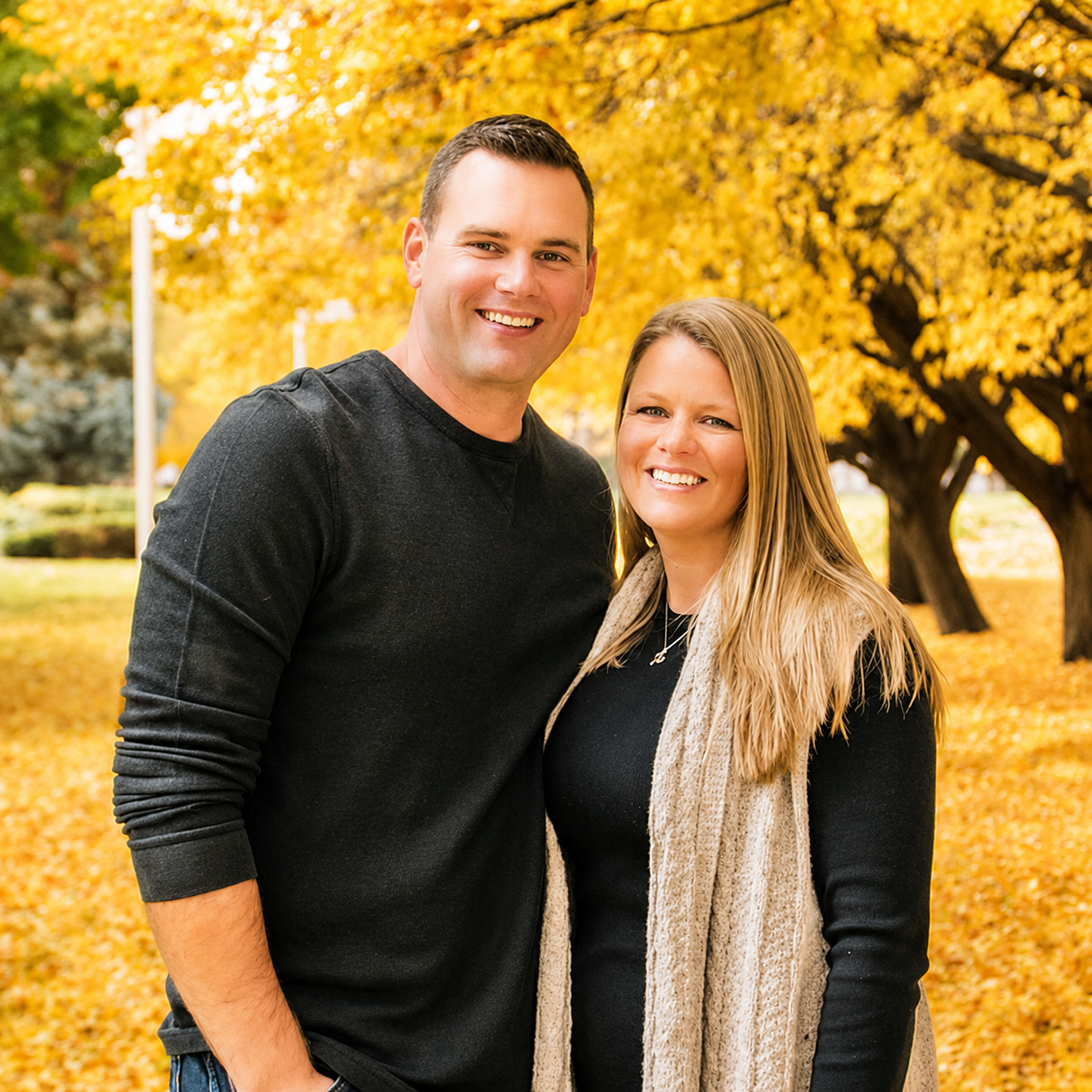
Driver Operator | Founder of Two In Two Out
Chris Johnson is a committed firefighter with 7 years of experience in protecting and serving his community. Throughout his career, he has been driven by a deep sense of responsibility and a strong desire to give back. Whether responding to emergencies or participating in community outreach programs, Chris is passionate about making a positive impact and ensuring the safety and well-being of those around him.
When he’s not serving in the firehouse, Chris can often be found enjoying his favorite outdoor activities, including mountain biking and snowboarding.
Above all, Chris values his role as a husband and father. Family is at the heart of everything he does, and he strives to balance his demanding career with spending quality time with his loved ones. Whether it's tackling a new project around the house, cheering on his kids at their sports games, or enjoying a weekend adventure together, Chris is fully committed to creating meaningful memories with his family.
In everything Chris does, he embodies the values of hard work, dedication, and giving back, striving to be a positive force in his community and a loving presence in the lives of his family.


