Kitchen Table Leadership: Preventing Firefighter Burnout Through Connection | Flip Griffin | Beneath the Helmet Podcast
In this episode of Beneath the Helmet, Arjuna George sits down with retired U.S. Navy Command Master Chief, leadership educator, and Firehouse Freedom founder Flip Griffin to explore the powerful concept of Kitchen Table Leadership.
Together, they discuss why some of the most important leadership moments in the fire service happen away from the emergency scene and around the kitchen table. Flip shares lessons from his military career, the importance of trust, mentorship, accountability, and authentic connection, and why everyday conversations may be one of the most effective tools for preventing firefighter burnout.
The conversation explores firefighter wellness, leadership development, healthy conflict, team culture, recruitment, retention, and the changing expectations of newer generations entering the fire service.
Whether you're a firefighter, company officer, chief officer, or aspiring leader, this episode offers practical insights on building stronger relationships, healthier teams, and a culture where people feel valued, supported, and heard.
### In This Episode
• What Kitchen Table Leadership really means
• Why leadership happens in everyday moments
• Building trust and accountability in the firehouse
• Preventing firefighter burnout through connection
• Lessons from military and fire service leadership
• Creating healthy team culture and psychological safety
• Why mentorship matters more than ever
• Leadership lessons from outside the fire service
### Key Takeaway
The kitchen table may be the most underutilized leadership tool in the fire service. When leaders create space for honest conversations, authentic connection, and shared experiences, they build the trust and culture that help firefighters thrive both on and off the job.


What if one of the most powerful leadership tools in the fire service isn't found in a policy manual, leadership course, or in the Chief's office?
In this episode of Beneath the Helmet, host Arjuna George sits down with former Navy Command Master Chief, leadership educator, podcaster, and Firehouse Freedom founder Flip Griffin to explore the concept of Kitchen Table Leadership.
Drawing on decades of military and fire service experience, Flip explains why the everyday moments between calls often matter more than major incidents. Together, they discuss trust, accountability, mentorship, burnout prevention, leadership development, and why authentic human connection remains the foundation of strong firehouse culture.
This conversation challenges traditional leadership thinking and offers practical insights for firefighters, company officers, chief officers, and anyone responsible for leading people in high-performance environments.
In This Episode
00:00 Introduction and Meet Flip Griffin
02:00 From the U.S. Navy to Emergency Services Leadership
05:00 Similarities Between Military and Fire Service Culture
08:00 The Origin of Firehouse Freedom
10:00 What Is Kitchen Table Leadership?
13:00 Fireground Leadership vs. Firehouse Leadership
16:00 Why the Kitchen Table Is the Great Equalizer
18:00 Authentic Leadership and the Next Generation
22:00 Is the Fire Service Really Paramilitary?
28:00 Situational Leadership and Accountability
30:00 Everyday Moments That Shape Great Leaders
34:00 The Truth About Employee Engagement
39:00 Connection, Burnout, and Mental Health
44:00 Trust, Conflict, and Team Dysfunction
49:00 Advice for New and Aspiring Fire Officers
53:00 Leadership Lessons from Outside the Fire Service
56:00 Reading, Growth, and Lifelong Learning
Key Topics Discussed
• Kitchen Table Leadership
• Firefighter Burnout Prevention
• Fire Service Culture
• Leadership Development
• Trust and Team Building
• Fire Officer Growth
• Employee Engagement
• Accountability and Mentorship
• Mental Health and Wellness
• Firefighter Retention and Recruitment
• Authentic Leadership
• Situational Leadership
• Organizational Culture
Books and Leadership Resources Mentioned
• The Five Dysfunctions of a Team by Patrick Lencioni
• The Truth About Employee Engagement by Patrick Lencioni
• The Checklist Manifesto
• Lead Yourself First
• Traction
• Call Sign Chaos by General Jim Mattis
• Project Management in the Fire Service by Peter Yunes
About the Guest
Flip Griffin is a retired U.S. Navy Command Master Chief, leadership educator, podcaster, and founder of Firehouse Freedom. Drawing from military and emergency service experience, he teaches practical leadership strategies focused on accountability, culture, connection, and developing everyday leaders.
About Beneath the Helmet
Beneath the Helmet explores leadership, resilience, firefighter wellness, burnout prevention, mental health, personal growth, and life in the fire service. Hosted by retired Fire Chief, coach, author, and speaker Arjuna George.
If you enjoyed this conversation, please like, subscribe, and share this episode with a firefighter, officer, chief, or leader who could benefit from the message. Your support helps us bring these important conversations to more people across the fire service community. Stay well.
Connect with the Host:
Arjuna George – Fire Chief (ret) Owner of Silver Arrow Coaching and Consulting, Beneath the Helmet Show, and Burnt Around the Edges author.
www.silverarrowco.com
www.burntaroundtheedges.com
www.beneaththehelmet.ca
Kitchen Table Leadership: Preventing Firefighter Burnout Through Connection
With Flip Griffin | Beneath the Helmet Podcast | Episode 112
Introduction
Leadership is often associated with emergency scenes, command decisions, and critical incidents.
Yet some of the most important leadership moments in the fire service happen far away from flashing lights and radio traffic.
They happen around the kitchen table.
In this episode of Beneath the Helmet, I sit down with retired U.S. Navy Command Master Chief, leadership educator, podcaster, and Firehouse Freedom founder Flip Griffin to explore a simple but powerful concept: Kitchen Table Leadership.
Together, we discuss firefighter burnout, trust, accountability, mentorship, organizational culture, and why authentic human connection may be one of the most overlooked leadership tools in the fire service today.
From Search and Rescue to Leadership
Arjuna George
Flip, take us back to the beginning. Tell us about your journey through the Navy and how it ultimately led you into leadership development and the fire service.
Flip Griffin
I joined the Navy in 1996 after realizing college wasn't the path for me at that point in my life.
What started as uncertainty eventually led me into emergency medicine, search and rescue, and leadership. Over the years I served in Puerto Rico, Washington State, Japan, and the Middle East.
Throughout that journey, one thing became clear.
Whether I was serving alongside military personnel, paramedics, or firefighters, the challenges were remarkably similar.
People needed strong leadership.
They needed trust.
They needed connection.
And they needed someone willing to invest in them beyond their technical skills.
The Birth of Firehouse Freedom
Flip Griffin
As I approached retirement, I began focusing more on leadership development.
I noticed something missing.
We do a great job teaching tactics, operations, and technical skills. We spend years developing competent firefighters.
What we don't always do well is prepare people for leadership.
Too often someone gets promoted and suddenly finds themselves sitting in an officer's seat wondering what comes next.
Leadership becomes trial by fire.
That realization eventually led to Firehouse Freedom and the development of leadership programs specifically designed for firefighters.
What Is Kitchen Table Leadership?
Arjuna George
You talk a lot about the Kitchen Table Mentality. What does that actually look like?
Flip Griffin
The kitchen table is the great equalizer.
It's where rank temporarily disappears.
It's where people stop being titles and become human beings.
Many leaders talk about having an open-door policy. That's great in theory.
But if nobody is walking through the door, the policy isn't working.
The kitchen table changes that.
It creates a natural space for conversation, connection, mentorship, and trust.
It's where people feel comfortable enough to talk about what matters.
Leadership isn't always happening in an office.
Often it's happening over coffee.
It's happening during meals.
It's happening in ordinary conversations.
Fireground Leadership vs. Firehouse Leadership
Flip Griffin
The fireground and the firehouse require different leadership approaches.
On the fireground, structure matters.
Processes matter.
Accountability matters.
There is little room for ambiguity.
In the firehouse, things are different.
People bring families, relationships, stress, financial concerns, and life experiences with them.
The dynamics become much more complex.
That's why leaders need more than operational competence.
They need human skills.
They need emotional awareness.
They need the ability to connect with people.
Authenticity and the Next Generation
Flip Griffin
One thing I believe many leaders miss is what younger firefighters are really looking for.
They want authenticity.
They want honesty.
They want real conversations.
They aren't looking for polished leadership.
They want genuine leadership.
The younger generation trusts people before they trust institutions.
That means leaders have an incredible opportunity.
If they are willing to be authentic, transparent, and approachable, they can build trust faster than ever before.
Everyday Moments Create Great Leaders
Arjuna George
You often say leadership is built through everyday moments, not major events.
Explain that.
Flip Griffin
When I retired, people reached out to thank me.
What surprised me was what they remembered.
Nobody thanked me for a rescue mission.
Nobody thanked me for an award.
Nobody thanked me for a promotion board.
They thanked me for conversations.
They remembered the moments when I listened.
They remembered when I checked in.
They remembered when I helped them through difficult times.
That's when I realized leadership is rarely about the big moments.
It's about the small ones.
The everyday moments.
The ordinary conversations.
The simple acts of caring.
Those are the moments people remember.
Why Recognition Matters
Flip Griffin
An authentic "good job" can carry someone farther than a formal award.
A sincere attaboy or attagirl on a Friday afternoon can change someone's entire weekend.
People want to know their work matters.
They want to know they are contributing.
They want to know they are seen.
Recognition doesn't always require a ceremony.
Sometimes it requires a conversation.
Connection and Burnout Prevention
Arjuna George
As someone who works extensively in the burnout and wellness space, I couldn't agree more.
The kitchen table creates opportunities for people to process stress before it becomes something larger.
Flip Griffin
Exactly.
We often wait too long.
We wait for formal debriefings.
We wait for critical incident stress teams.
We wait until people are struggling.
The reality is that talking helps.
Not every conversation needs to be formal.
Not every conversation needs to be clinical.
Sometimes people simply need a chance to share what they saw, what they felt, and how they're doing.
When we create that environment consistently, we reduce the burden people carry.
We remind them they are not carrying it alone.
Trust, Conflict, and Healthy Teams
Arjuna George
One of my favourite leadership books is The Five Dysfunctions of a Team.
The foundation of that model is trust.
Without trust, teams struggle.
Without healthy conflict, teams struggle.
Flip Griffin
Absolutely.
The kitchen table creates both.
Trust grows through conversation.
Healthy conflict grows through conversation.
When people feel psychologically safe, they can disagree respectfully.
They can challenge ideas without attacking people.
They can solve problems together.
That's how healthy organizations grow.
Leadership Beyond the Fire Service
Arjuna George
What advice would you give to aspiring officers and future chiefs?
Flip Griffin
Look outside the fire service.
Continue learning.
Read broadly.
Study leadership wherever you find it.
There is tremendous wisdom available in business, sports, the military, psychology, and organizational development.
The best leaders don't limit themselves to one source of information.
They remain curious.
They continue growing.
And they bring those lessons back to serve their people better.
Final Thoughts
Flip Griffin
At the end of the day, leadership isn't complicated.
It's human.
It's about relationships.
It's about conversations.
It's about showing up consistently for people.
The kitchen table reminds us of that.
It reminds us that before rank, before titles, before positions, we're all human beings.
And when we lead from that place, everything else becomes easier.
Key Takeaways
1. The Kitchen Table Is the Great Equalizer
Some of the most important leadership conversations happen when rank is removed from the equation.
2. Leadership Happens in Everyday Moments
Small interactions often leave a greater impact than major events.
3. Connection Helps Prevent Burnout
People process stress more effectively when they feel heard, supported, and understood.
4. Trust Must Be Built Intentionally
Strong teams are built through consistent conversations, not occasional interventions.
5. Great Leaders Never Stop Learning
Leadership lessons can be found well beyond the fire service.
Subscribe and Share
If you enjoyed this conversation, please subscribe to Beneath the Helmet and share this episode with a firefighter, officer, chief, or leader who cares about building stronger teams and healthier firehouses.
The fire service needs more conversations about leadership, wellness, trust, and human connection.
Stay well.
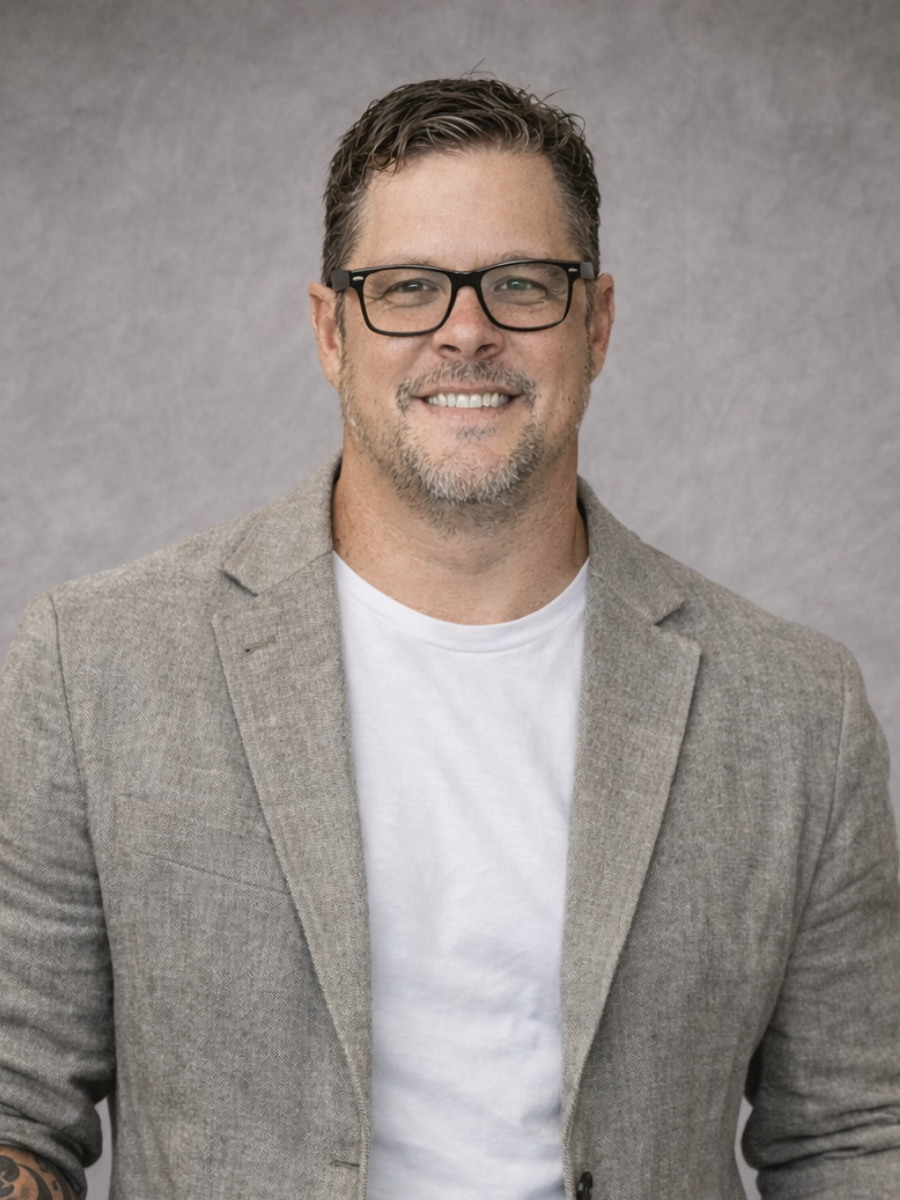
Founder of Firehouse Freedom
Flip Griffin is the founder of Firehouse Freedom, a leadership and culture framework built to strengthen the fire service from the inside out. A retired Command Master Chief and career fire service leader with extensive Search and Rescue experience, Flip has spent decades leading in high-pressure environments where accountability, trust, and communication directly impacted lives.
Today, he works with fire departments across the country helping leaders build stronger crews, healthier cultures, and more intentional leadership through workshops, mentorship, and speaking. His message centers around one core belief: leadership is built in the everyday moments, not just the major incidents. Through Firehouse Freedom, Flip challenges the fire service to move beyond motivation and toward real next-shift action.


