Yoga for Firefighters That Fits the Shift
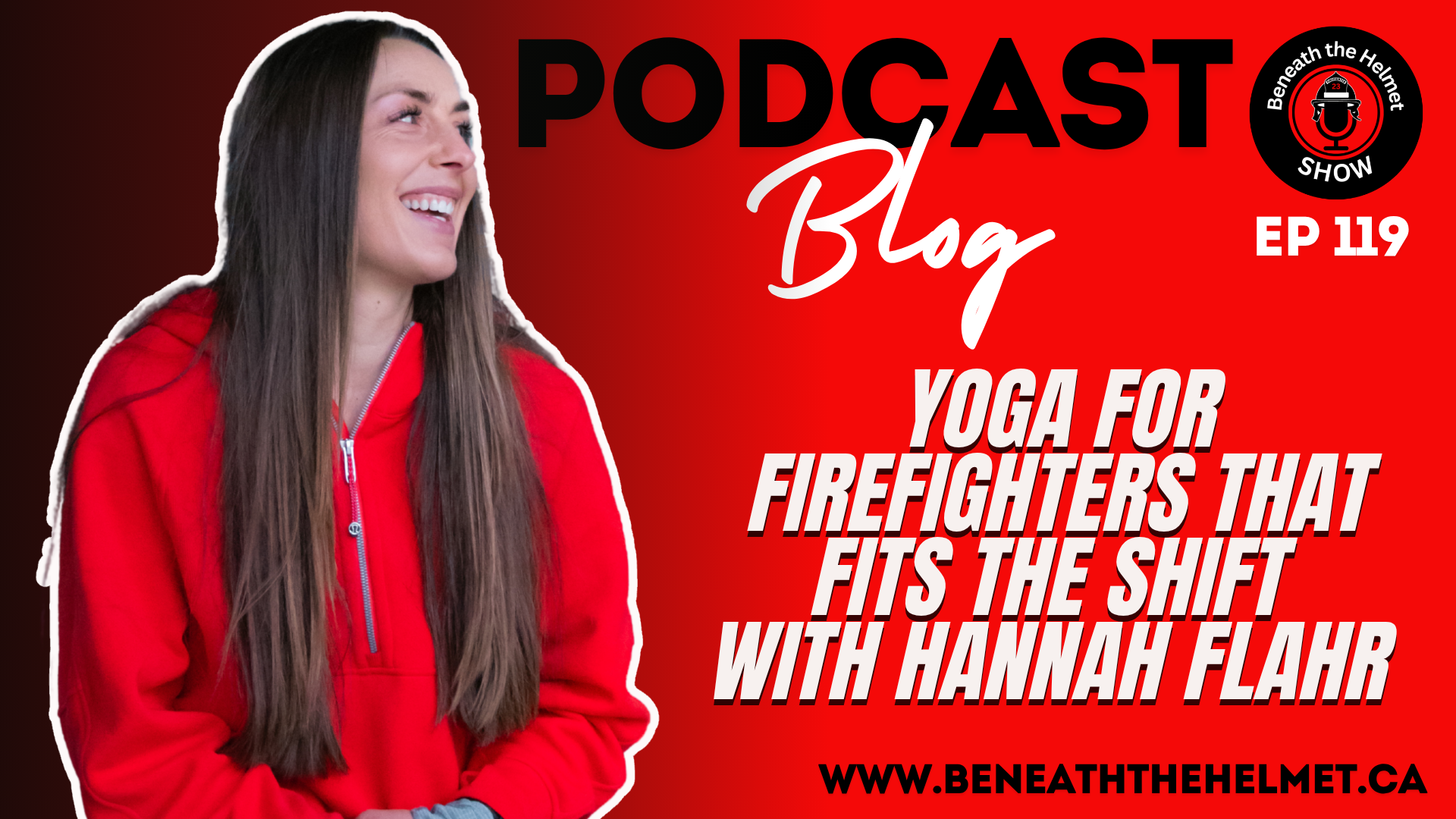
For a paid on-call firefighter, a yoga class across town can present an awkward choice: leave the response area and silence the pager, or stay available and miss the class. Hannah Flahr saw that problem up close. Her response was practical. Bring the class into the fire hall.
Hannah founded Regulate the Responder on Vancouver Island. In our conversation, she explains why access, consistency, and choice can matter more than convincing every firefighter to become a “yoga person.”
What happens when the class is in the hall?
Participants can arrive with their pagers on and leave for a call if needed. For a department considering a programme, that removes some of the travel and scheduling friction Hannah sees among paid on-call crews. Career crews may use a video or another scheduling arrangement that fits their shifts.
This is a useful leadership point. A wellness option only helps the people who can actually reach it. Inviting someone to a distant class is different from making a suitable option available where they already work.
You do not need to get flexible first
Hannah describes hearing from firefighters who think they are too stiff or out of shape to begin. In her classes, a new participant can ask questions, take breaks, and choose a variation that suits them. She avoids turning a first visit into a public test.
Her sequence uses familiar yoga movements selected with firefighter work in mind. Hannah considered commonly discussed areas such as the shoulders, lower back, and lower limbs, along with the job's movement patterns. She also describes a 30-participant, four-week pilot that looked at movement measures before and after classes. She reports some changes and maintenance in mobility measures. The pilot alone does not establish that the programme prevents injuries or improves operational performance.
Movement is only one part of it
Hannah begins with a three-part breathing practice and closes with box breathing. She sees breath as a skill people can use beyond the mat. She also allows choice during the final rest: participants can keep their eyes open, move, or leave the resting position. A quiet room will feel different to different people, and the invitation matters.
We also talk about how a shared class can become another point of connection in a station. Some departments include family members. These are Hannah's experiences and possibilities, rather than measured outcomes promised to every crew.
What if you have only five minutes?
Hannah's answer for a tired firefighter is refreshingly manageable: take a few comfortable breaths, notice what your body needs, and choose one movement. If you are exhausted, resting and breathing can be the whole practice. You can use her online classes in shorter sections or as a longer sequence.
Five takeaways from Arjuna
1. Access shapes participation. Bringing a class to the hall removes a real barrier for firefighters who need to remain available.
2. You can begin as you are. Flexibility and prior experience are not entry requirements; an instructor can help you adapt.
3. Breath is portable. A brief pause to notice and steady your breathing can be practised without a mat or a full class.
4. Five minutes is a valid start. Hannah suggests a few breaths, a body check-in, and one comfortable movement, or simply resting and breathing if you are exhausted.
5. Leaders can make room for choice. A chief can offer access while allowing firefighters to decide whether a class suits them.
If a movement causes discomfort, adjust or stop and seek individual guidance where needed. A practice should support your capacity, not become another standard you feel pressured to meet.
Explore the conversation
Listen to the full episode, or download the companion guide for a simple five-minute reflection and a few questions to bring to your crew. Hannah's Regulate the Responder website, CRACKYL articles, and listener gift link offer places to learn more.
If this conversation helps, share it with someone who could use an accessible starting point, and subscribe to Beneath the Helmet. For coaching and education with me, visit Silver Arrow.
When the Uniform Becomes Your Identity: Reclaiming Life Beyond the Job