Step Up and Lead: Fire Service Leadership, Courageous Conversations, and Building Stronger Teams
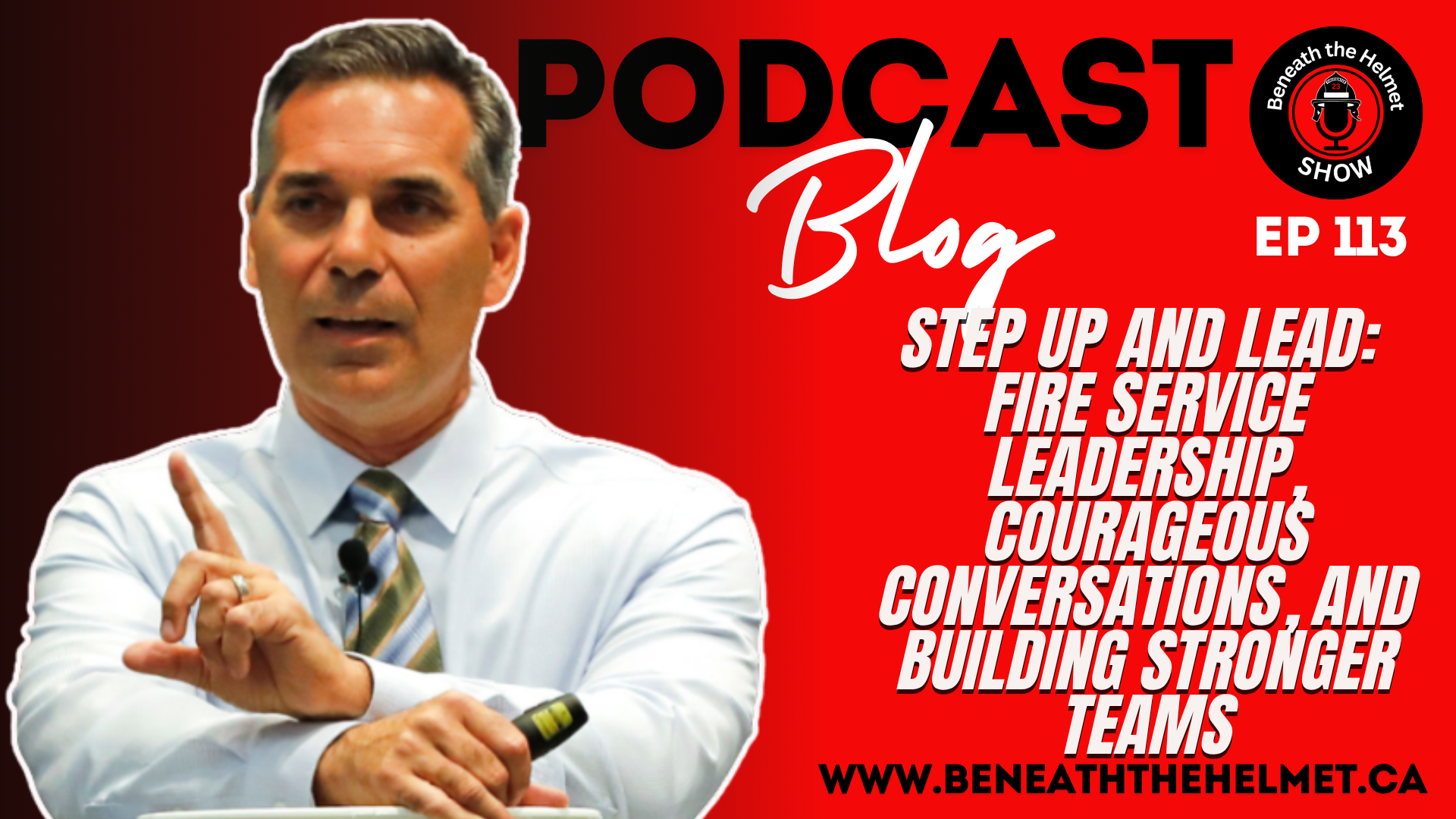
Leadership in the fire service has never been more important. Every shift, every training evolution, every conversation, and every decision shapes the culture of a department.
In this episode of Beneath the Helmet, I sat down with retired Deputy Fire Chief, leadership educator, and author Frank Viscuso for a conversation that went far beyond tactics and rank. We explored what great leadership really looks like, why courageous conversations matter, how culture is built around the kitchen table, and why treating people right remains the foundation of every successful organization.
If you're a firefighter, company officer, chief officer, or aspiring leader, this conversation offers practical lessons that can strengthen your leadership long before the next emergency call.
Leadership Is About More Than the Badge
Leadership begins long before someone earns bugles or bars.
Frank shared how both exceptional and poor leaders shaped his career. Some believed in him and helped him grow. Others created environments built on fear, assumptions, and distrust. Those experiences convinced him there was a better way to lead.
One message surfaced repeatedly throughout our conversation.
Treat people right.
Simple words.
Powerful impact.
Every firefighter arrives at work carrying something that others may never see. Financial stress. Family challenges. Health concerns. Relationship struggles. Great leaders recognize that while firefighters respond to people having the worst day of their lives, firefighters themselves also experience difficult moments.
Leadership starts by recognizing the human being beneath the helmet.
The Leadership Challenges Facing Today's Fire Service
The conversation explored several challenges departments continue to face.
One is the tendency to create new policies because one person made a mistake, instead of addressing the issue directly. Blanket policies often create frustration while avoiding the difficult conversation that should have happened in the first place.
Frank challenged leaders to develop a different kind of courage.
Not only physical courage.
Not only moral courage.
He introduced another form of leadership that deserves far more attention.
Courageous communication.
The willingness to sit down with someone, have the uncomfortable conversation, explain expectations, and help them succeed rather than avoid conflict altogether.
Many officers are promoted without ever receiving practical leadership training. They learn incident command, tactics, and administration, yet few receive a playbook for leading people through conflict, accountability, or organizational change.
That leadership gap affects every level of the organization.
Building Stronger Fire Service Culture
Perhaps the most memorable part of our conversation centred around a place every firefighter knows well.
The kitchen table.
Frank described it as a sacred place within the fire station.
It is where trust is built.
It is where stories are shared.
It is where experience is passed from one generation to the next.
It is where firefighters learn what cannot be found in a textbook.
The kitchen table has no rank, but it still requires standards.
Healthy conversations build relationships.
Unhealthy conversations require leaders willing to redirect the discussion before culture begins to erode.
That balance is what separates leadership from popularity.
Leaders are not there simply to be liked.
They are there to create an environment where people can grow, feel valued, train hard, hold each other accountable, and return home safely after every shift.
The discussion also explored today's multigenerational workforce.
Instead of criticizing younger firefighters, Frank encouraged leaders to understand them.
Every generation views work differently.
Every generation communicates differently.
The responsibility of leadership is not to complain about those differences.
It is to bridge them.
Departments become stronger when experience meets curiosity, and when seasoned firefighters willingly share what is "inside the box" before asking younger members to think outside of it.
Leadership Is a Daily Choice
One of the strongest messages from this conversation is that leadership is never accidental.
It is built through intentional daily actions.
Showing respect.
Training consistently.
Listening before speaking.
Explaining the "why" behind decisions.
Holding people accountable with dignity.
Investing in relationships before problems arise.
Whether you're a firefighter preparing for promotion or a chief responsible for an entire organization, leadership isn't reserved for rank.
It is practiced every day.
My Top Five Takeaways
1. Treat people right.
Policies, procedures, and operational excellence all matter. None of them replace treating people with respect, dignity, and genuine care.
2. Courageous conversations are part of leadership.
Avoiding difficult discussions rarely solves problems. Great leaders address issues early, honestly, and respectfully.
3. The kitchen table builds culture.
Some of the most important leadership lessons happen between calls, over coffee, and through authentic conversations that strengthen trust.
4. Learn what's inside the box before thinking outside it.
Innovation matters. Experience matters too. Understanding why traditions exist provides the foundation for meaningful improvement.
5. Great leaders develop people, not followers.
Leadership isn't about controlling others. It's about preparing people to think, perform, adapt, and eventually become outstanding leaders themselves.
Final Thoughts
This conversation serves as a reminder that leadership is ultimately about people.
Titles create authority.
Character creates influence.
Every firefighter has the opportunity to shape the culture of their crew, regardless of rank.
Every officer has the opportunity to create an environment where accountability and compassion exist together.
Every chief has the opportunity to build an organization people are proud to serve.
If we continue treating people right, investing in relationships, having courageous conversations, and never stop learning, the future of the fire service will be stronger because of it.
If you enjoyed this conversation, subscribe to Beneath the Helmet so you never miss an episode. Share this episode with a firefighter, officer, or chief who is passionate about leadership, and help us continue building stronger people, stronger teams, and stronger fire departments together.
Arjuna George - Podcast Host
www.beneaththehelmet.ca
Yoga for Firefighters That Fits the Shift